Writing
Stories from the archives.
Articles on the Fall, the Resistance, and the Liberation of Paris — drawn from memoirs, archives, and the streets themselves.
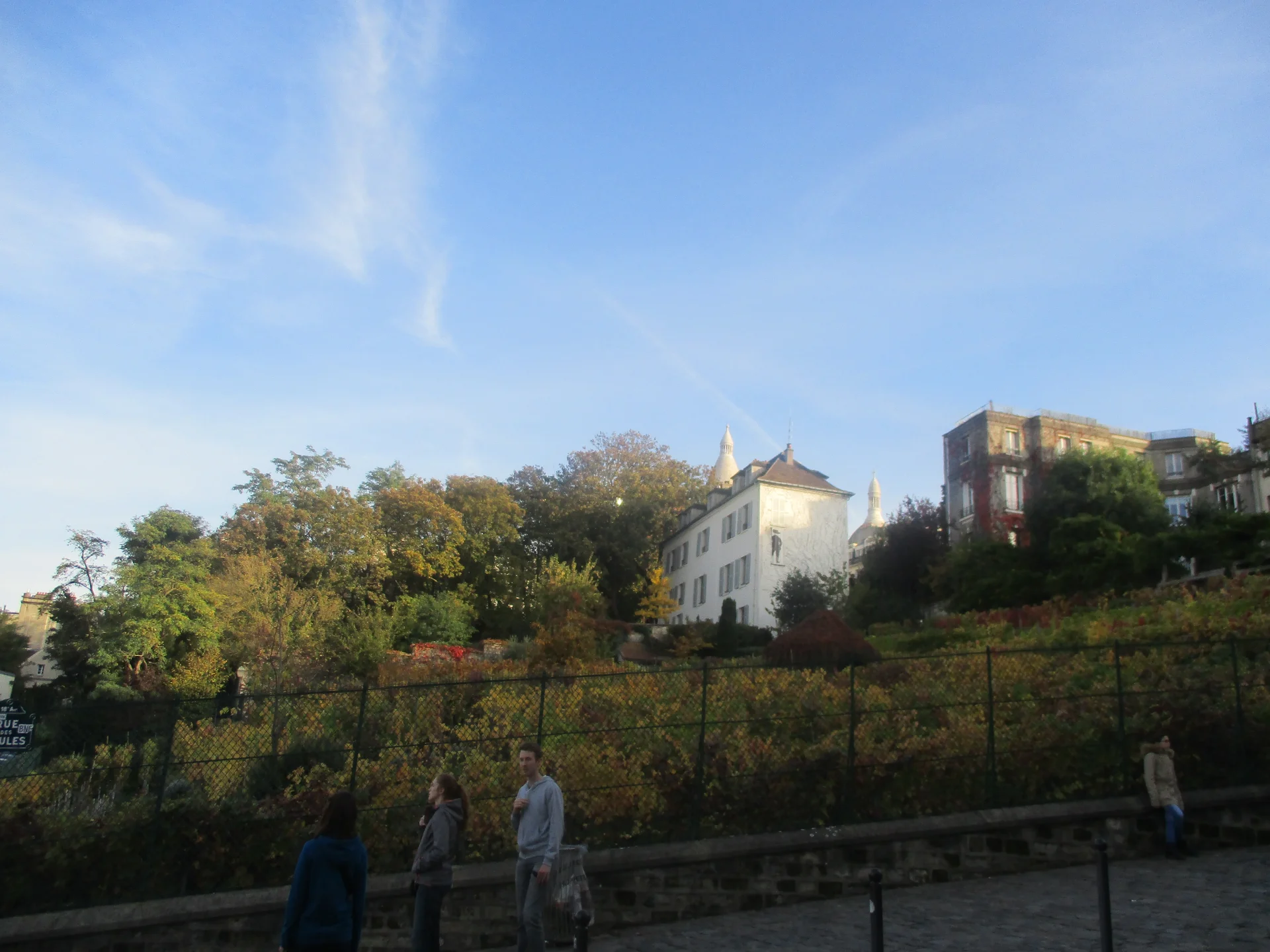
Wine in Montmartre: The Surprising History of Paris's Last Vineyard
From Roman vines to the annual Fête des Vendanges, discover the fascinating story of winemaking in Montmartre — and why drinking wine in Paris was once safer than drinking water.
Read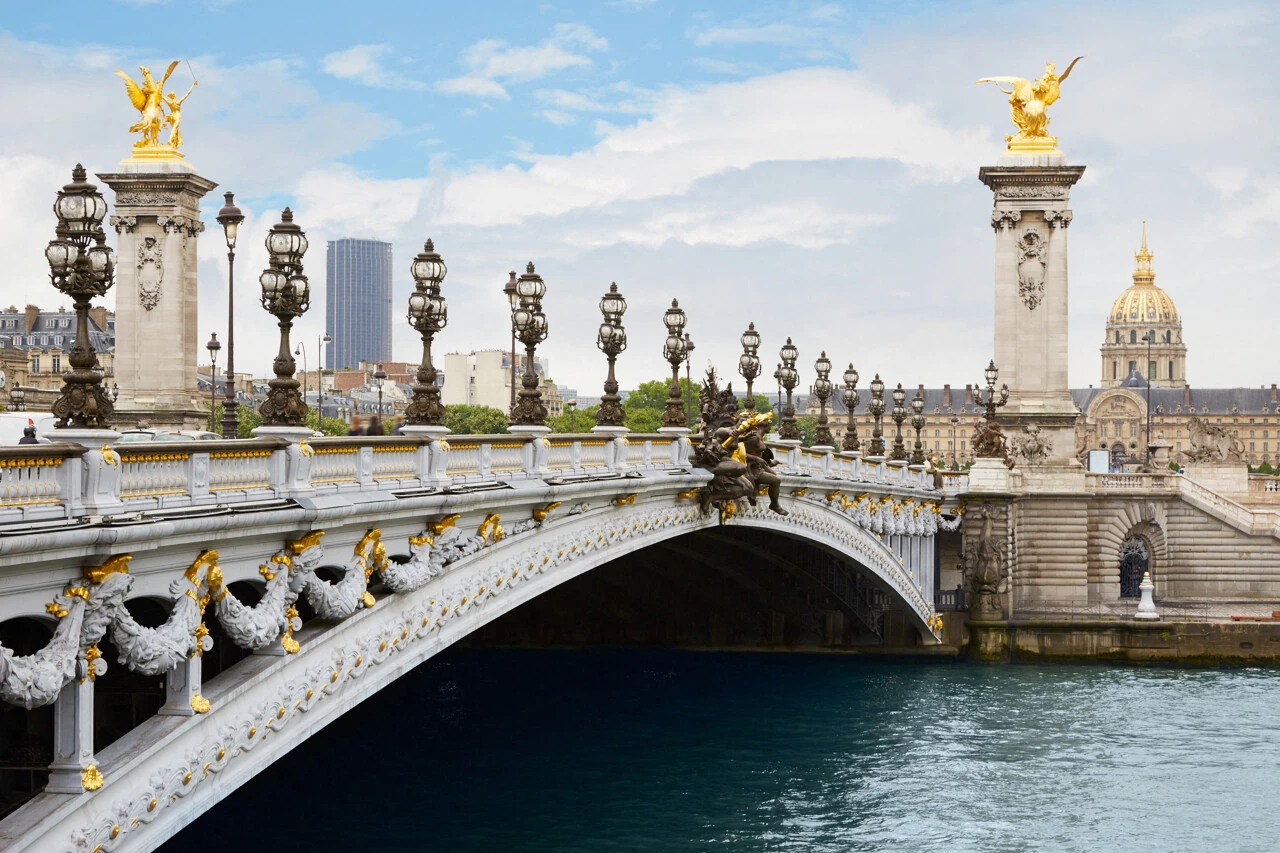
Best Time to Visit Paris for History Lovers
When should you visit Paris for WWII history? Season-by-season guide covering weather, crowds, commemoration dates, and tips for walking tours.
Read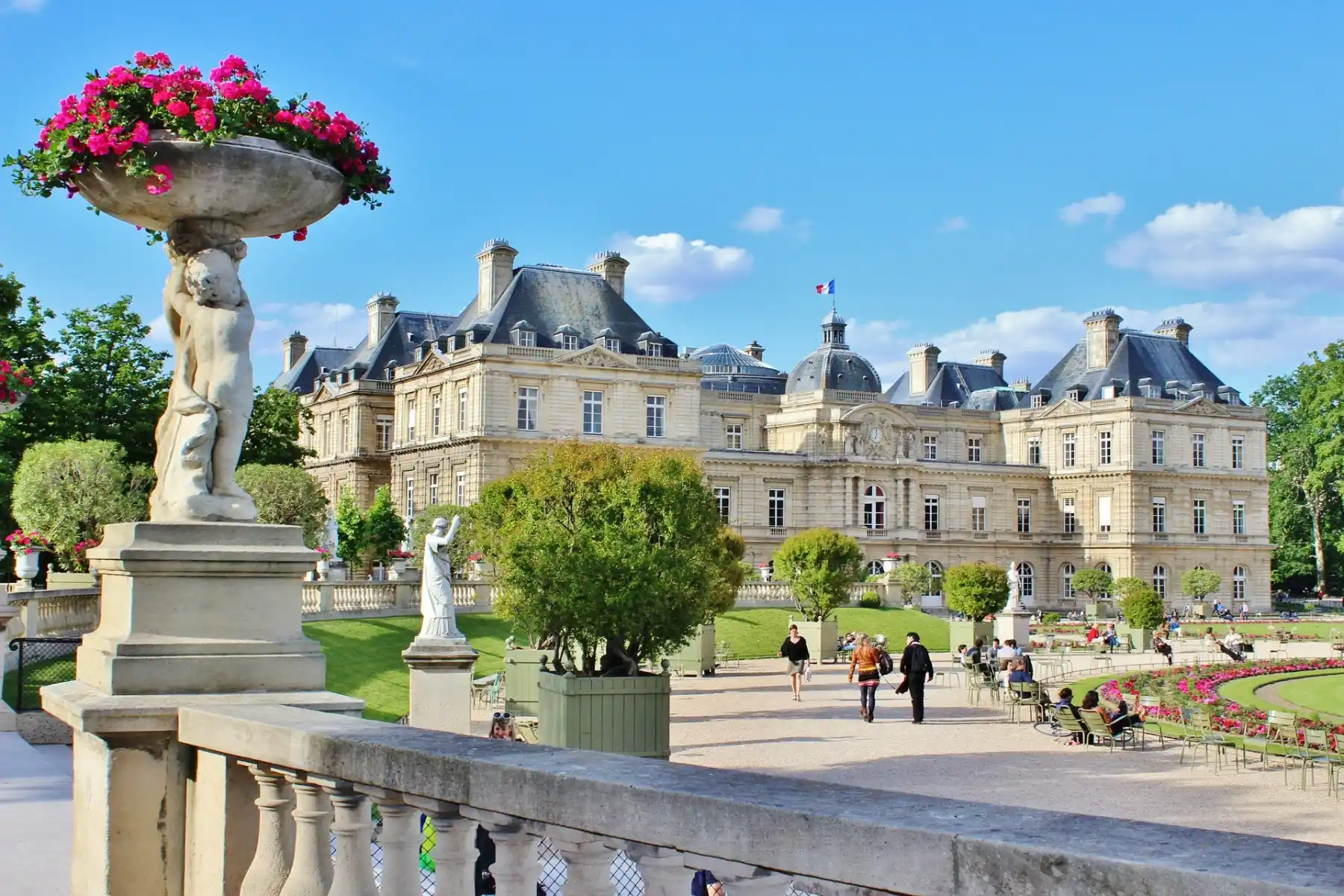
Luxembourg Palace: From French Senate to Luftwaffe Headquarters
How the Luxembourg Palace became the Luftwaffe's Western Front HQ during WWII. Discover the occupation history of Paris's iconic Senate and gardens on our walking tour.
Read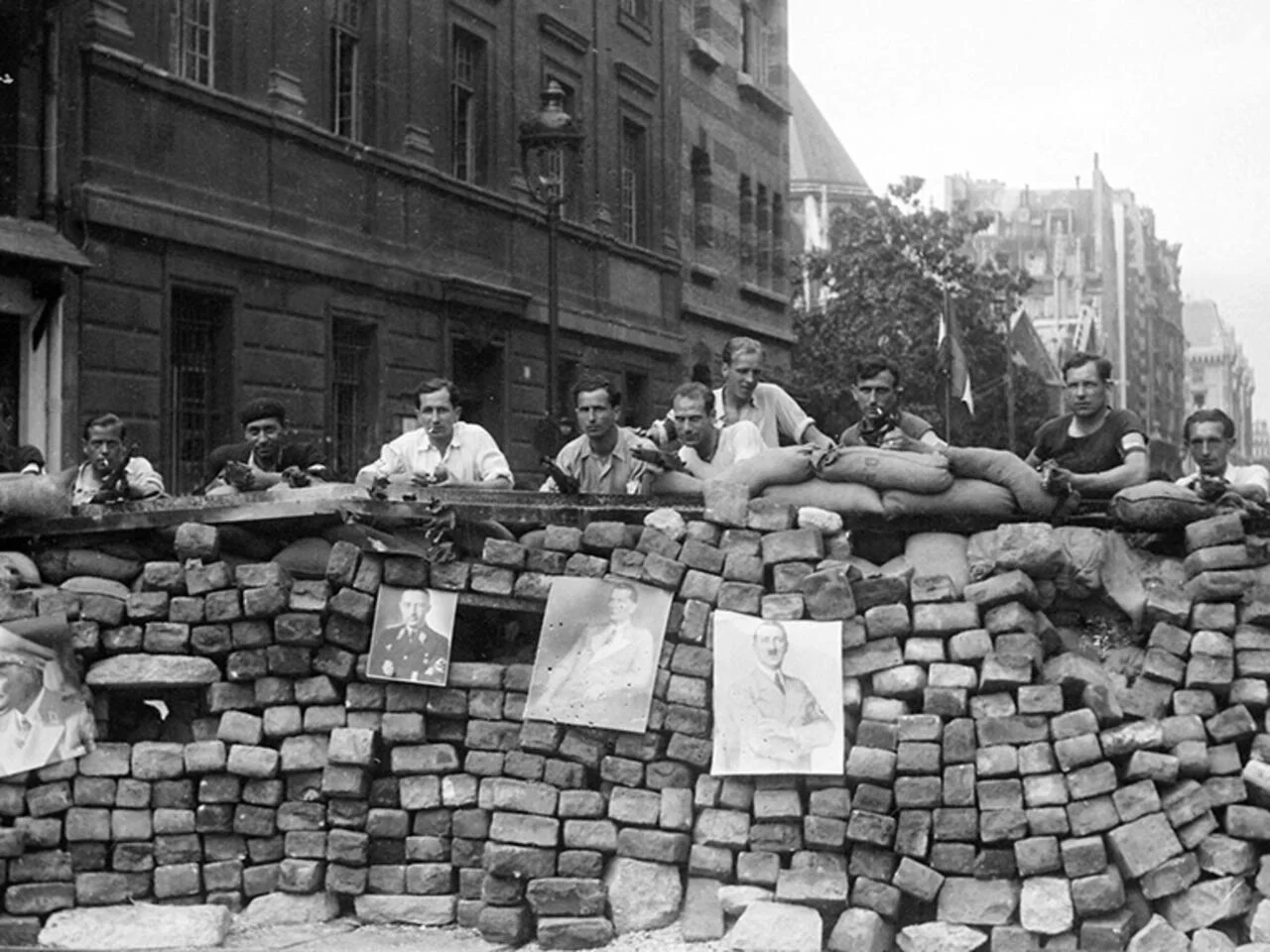
A Complete Timeline of Paris Under German Occupation (1940-1944)
A detailed chronological timeline of Paris under Nazi occupation from June 1940 to August 1944: key events, daily life, resistance, and liberation.
Read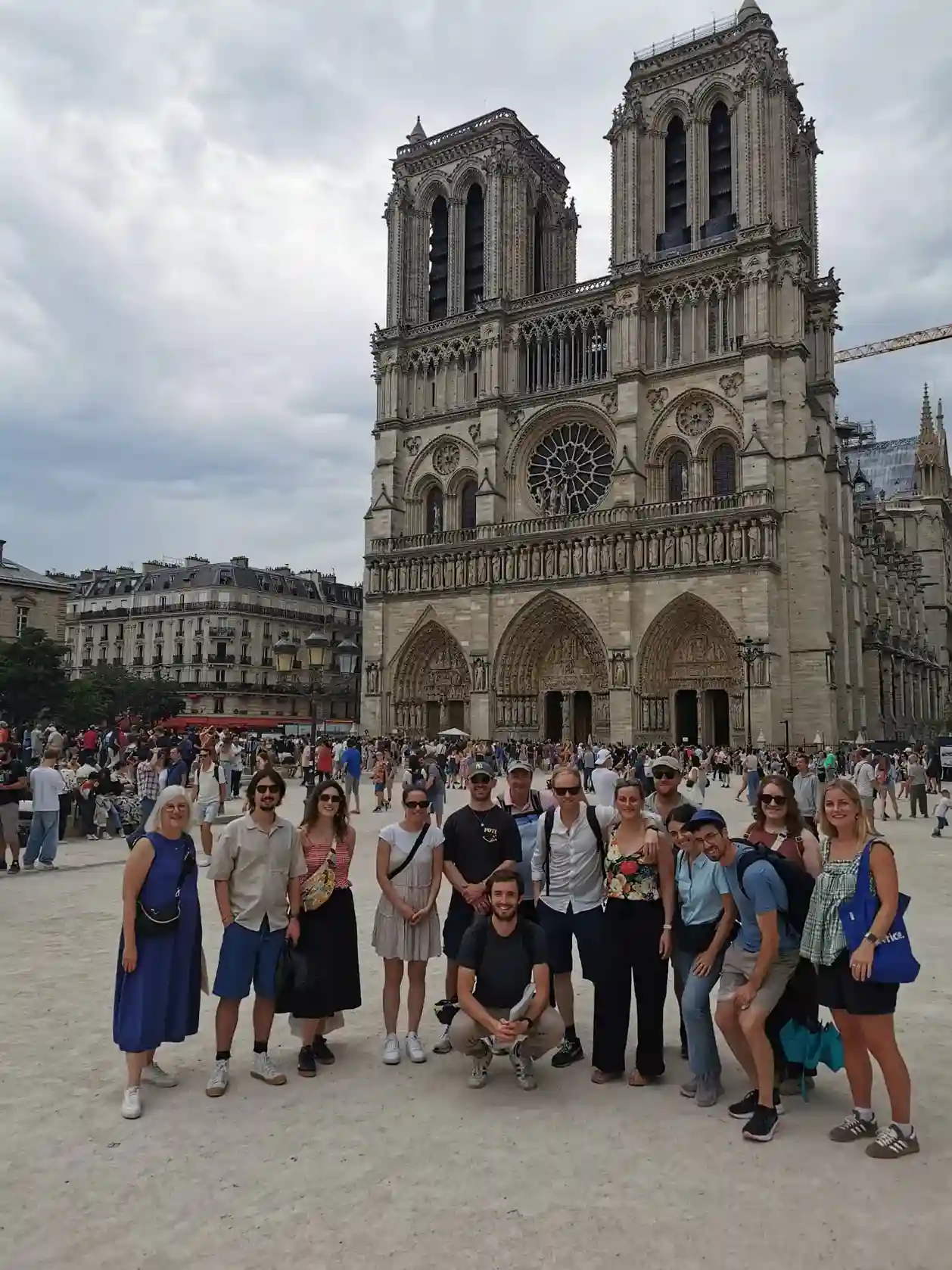
What to Expect on a WWII Walking Tour in Paris
Planning a WWII walking tour in Paris? Here is everything you need to know: what the tour covers, who it is for, what to bring, and why walking is the best way to understand Occupied Paris.
Read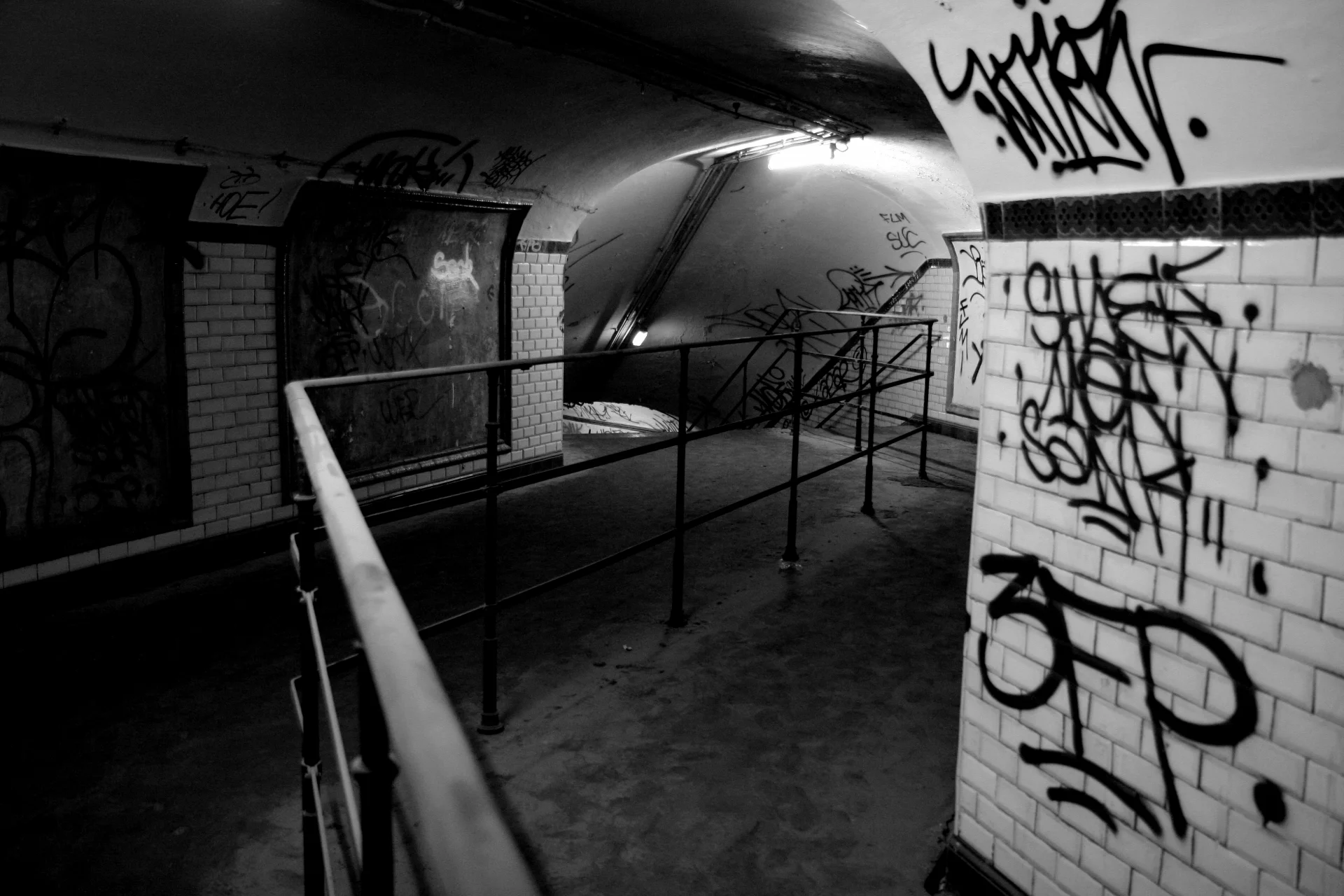
The Ghosts Below: Paris Metro Stations Lost to World War II
Seven Paris metro stations were sealed shut in 1939 and never reopened. From Croix-Rouge to Haxo, discover what these ghost stations reveal about war, memory, and the hidden layers of the city.
Read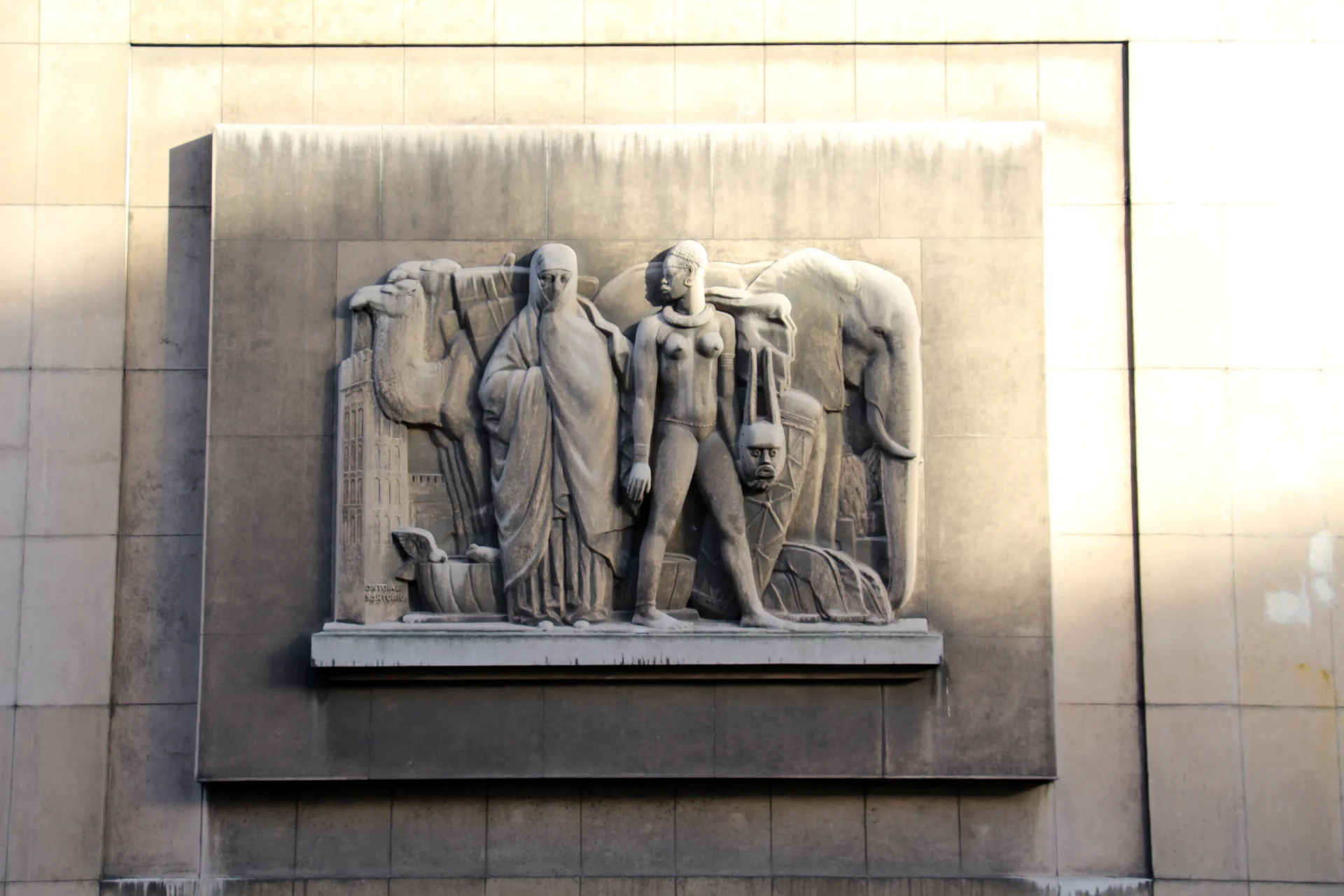
Agnes Humbert and the Musée de l'Homme Network: Paris's First Resistance
In autumn 1940, while most of France was still in shock, Agnes Humbert helped create one of the very first resistance networks in occupied Paris — the Musée de l'Homme group.
Read Why Did Hitler Order the Destruction of Paris? The Story of General von Choltitz
In August 1944, Hitler ordered Paris destroyed — bridges mined, monuments demolished. General von Choltitz disobeyed. Why was Paris not destroyed?
Read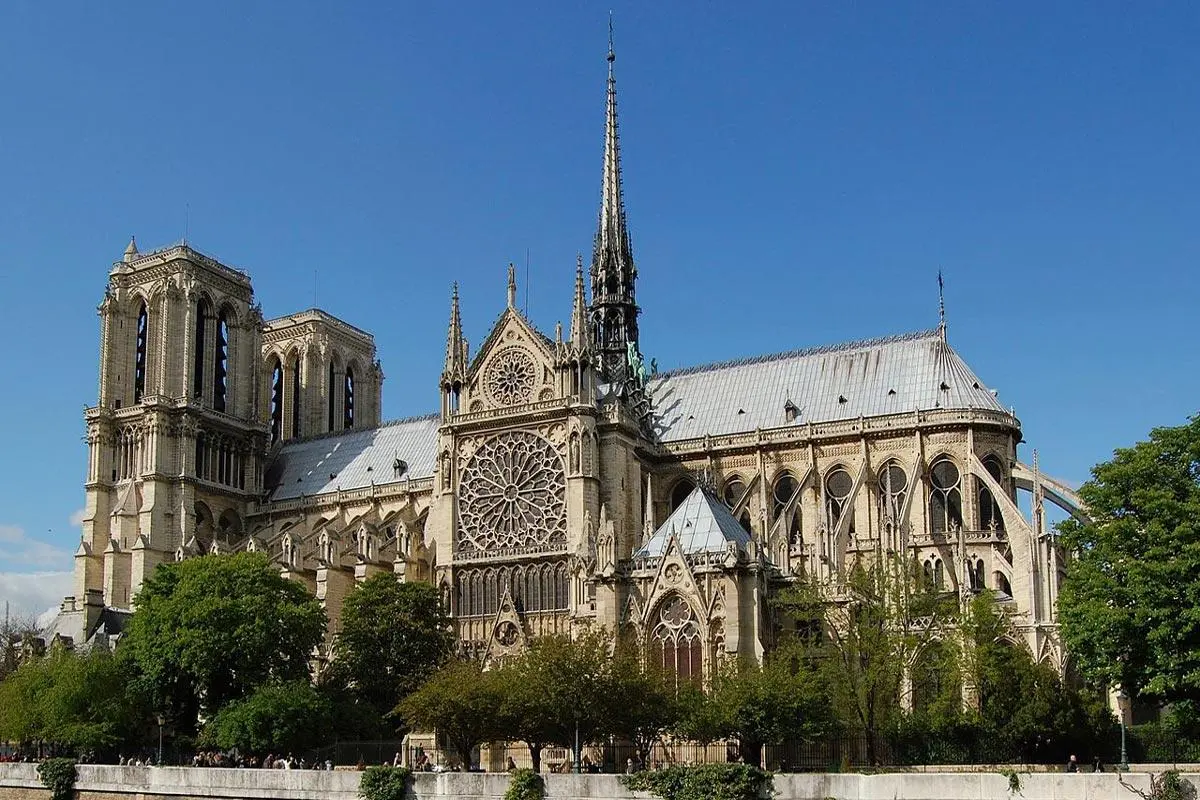
The Liberation of Paris: What Happened on August 25, 1944
The week that freed Paris: from the insurrection of August 19 to Leclerc's 2nd Armored Division entering the city on August 25, 1944. How was Paris liberated?
Read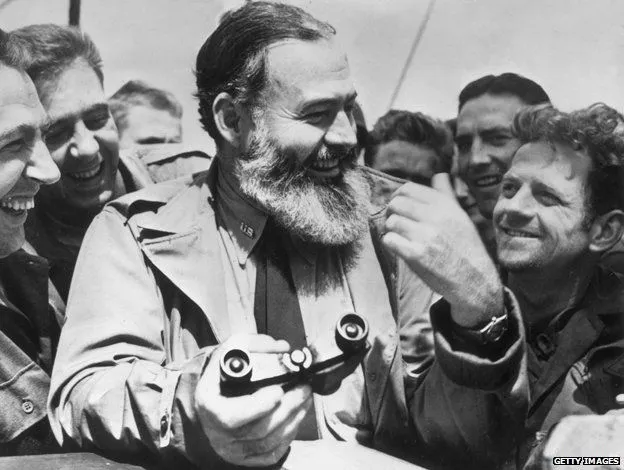
Hemingway at the Ritz: The Story Behind the Liberation's Most Famous Bar Tab
On August 25, 1944, Ernest Hemingway claimed to have 'liberated' the Ritz Hotel bar in Paris. What really happened that day at Place Vendôme, and how much is legend versus history?
Read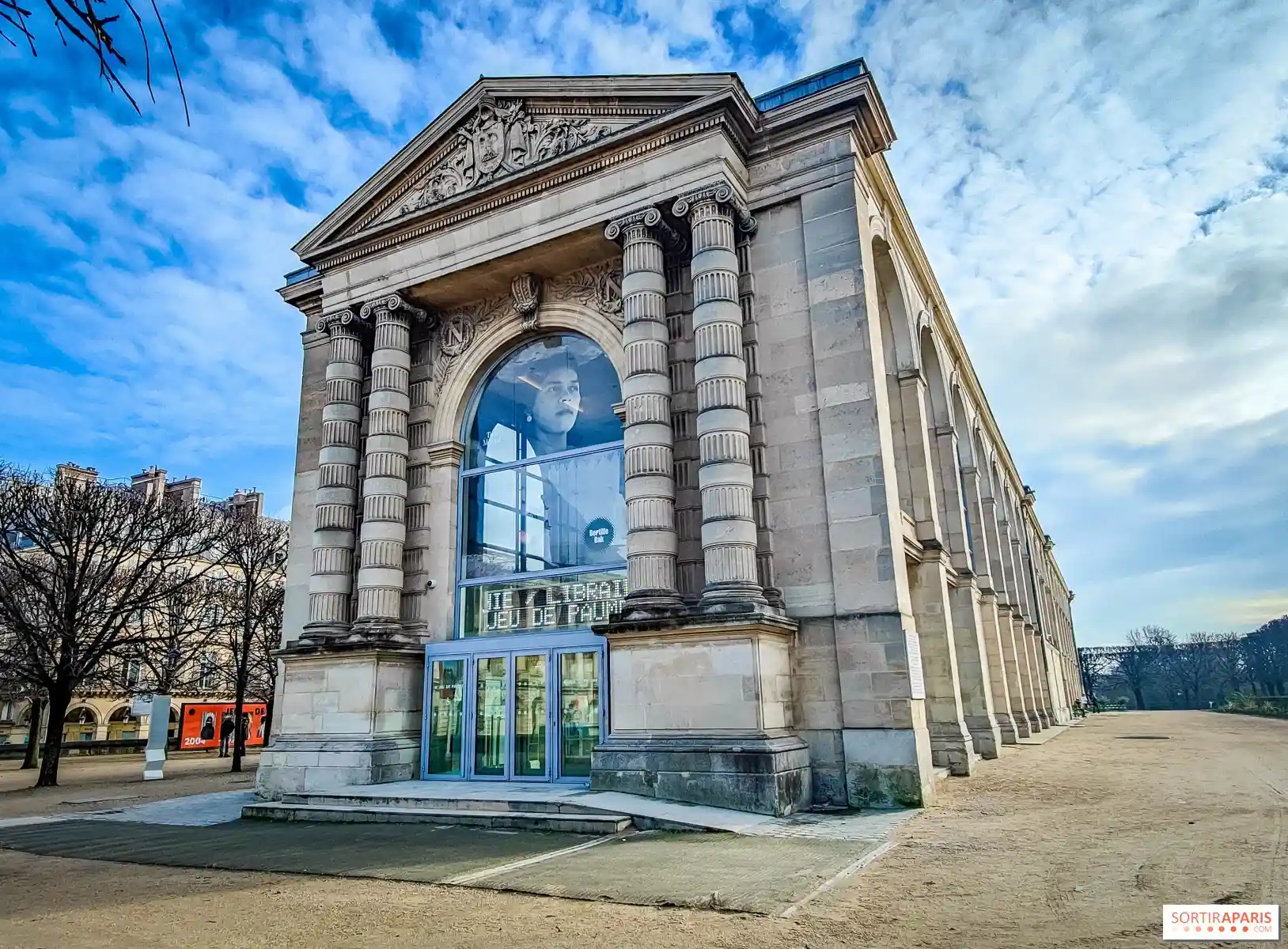
Rose Valland: The Woman Who Tracked 20,000 Stolen Masterpieces
How a quiet museum curator secretly catalogued over 20,000 artworks stolen by the Nazis in Paris, risking her life every day for 4 years to preserve France's cultural heritage.
Read