A City on the Brink
By mid-August 1944, Paris had been under German occupation for over four years. The Allied forces, having landed in Normandy on June 6, were advancing rapidly through France — but liberating Paris was not initially part of their plan.
General Eisenhower’s strategy was to bypass the capital and push east toward Germany. Feeding 4 million Parisians would require enormous logistical resources that could slow the advance. The plan was to deal with Paris later.
But the people of Paris had other ideas.
The Insurrection Begins: August 19, 1944
On August 19, the French Forces of the Interior (FFI) — the armed wing of the Resistance — launched an insurrection against the German garrison. Barricades went up across the city, built from cobblestones, overturned cars, and felled trees.
The Paris police force played a crucial role. On August 19, police officers seized the Préfecture de Police on the Île de la Cité, raising the tricolor flag for the first time in four years. This bold act signaled that the uprising was serious.
Fighting broke out across the city. The FFI, numbering around 20,000 but poorly armed, faced a German garrison of roughly 20,000 troops equipped with tanks, artillery, and armored vehicles.
The Truce and Its Collapse
The Swedish consul general, Raoul Nordling, negotiated a fragile truce between the FFI and the German military governor, General Dietrich von Choltitz. The truce held for parts of August 20-21, but it was rejected by many Resistance leaders who saw it as an attempt to deny Paris the honor of liberating itself.
By August 22, the truce had collapsed. Fighting resumed with greater intensity. The barricades multiplied — over 600 were erected throughout the city. The FFI attacked German convoys, seized government buildings, and fought for control of key intersections.
Leclerc’s 2nd Armored Division
While Paris fought, General Philippe Leclerc was growing impatient. The commander of the 2nd Armored Division (2e Division Blindée), a Free French unit that had fought from Chad to Normandy, Leclerc had always intended to liberate the capital.
On August 22, Eisenhower finally authorized the advance on Paris, persuaded by the risk of a bloodbath if the Resistance was left unsupported and by de Gaulle’s insistence.
Leclerc sent a vanguard force ahead of the main column. On the evening of August 24, a small detachment led by Captain Raymond Dronne — including Spanish Republican soldiers of the famous “La Nueve” company — reached the Hôtel de Ville at 9:22 PM.
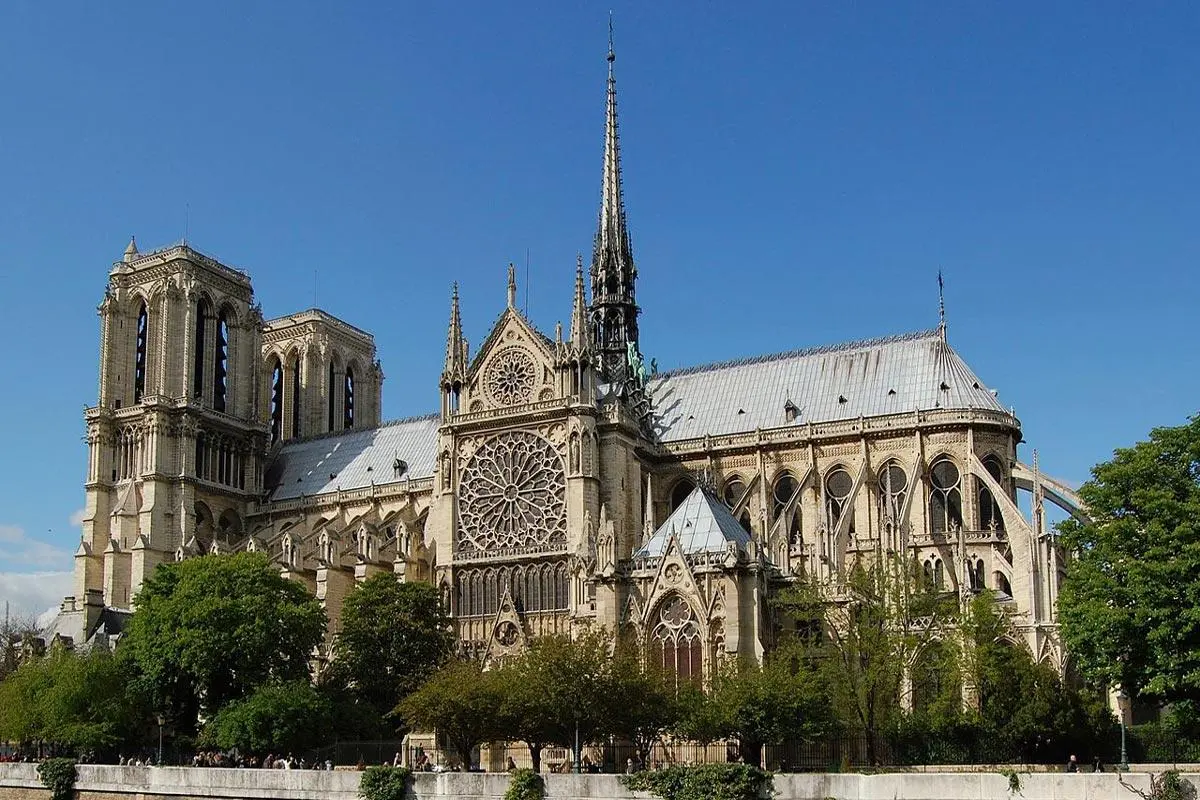
The bells of Notre-Dame and churches across Paris began to ring, announcing that liberation was at hand.
August 25: The Day Paris Was Freed
On the morning of August 25, the full force of the 2nd Armored Division entered Paris from multiple directions. French tanks rolled down the boulevards as Parisians lined the streets, cheering, weeping, and showering the soldiers with flowers.
The fighting was not yet over. German strongpoints resisted throughout the day. At the Hôtel Meurice on Rue de Rivoli, General von Choltitz was captured by French forces in the early afternoon.
Von Choltitz signed the surrender of the Paris garrison at the Préfecture de Police, formally ending the German occupation of the capital.
De Gaulle’s March: August 26
The following day, General Charles de Gaulle led a triumphal march from the Arc de Triomphe down the Champs-Élysées to Notre-Dame. Hundreds of thousands of Parisians filled the avenue and surrounding streets.
The march was not without danger. Shots rang out at several points along the route — at Place de la Concorde and inside Notre-Dame itself. The origin of the shooting has been debated by historians, with theories ranging from remaining German snipers to nervous militiamen to accidental discharges.
De Gaulle, characteristically, barely flinched. He continued walking, projecting the image of authority and calm that he believed France needed.
At Notre-Dame, he attended a Te Deum thanksgiving service, even as gunfire echoed inside the cathedral.
The Cost of Liberation
The liberation of Paris came at a significant human cost:
- Approximately 1,500 FFI fighters were killed during the insurrection
- Around 600 civilians lost their lives
- German casualties numbered roughly 3,200 killed and 12,800 captured
- The 2nd Armored Division suffered 71 killed and 225 wounded
Across the city, scars of the fighting remained visible for years — bullet holes in facades, damaged buildings, and makeshift memorials at locations where fighters fell.
Why Paris Survived
One of the most remarkable aspects of the Liberation is that Paris emerged largely intact. Hitler had ordered the city’s destruction — its bridges mined, its monuments prepared for demolition. The fact that these orders were not carried out is one of the great “what ifs” of World War II.
The story of why Paris was not destroyed — and the role of General von Choltitz — is the subject of another article in our series: Why Did Hitler Order the Destruction of Paris?
Walk Through the Liberation
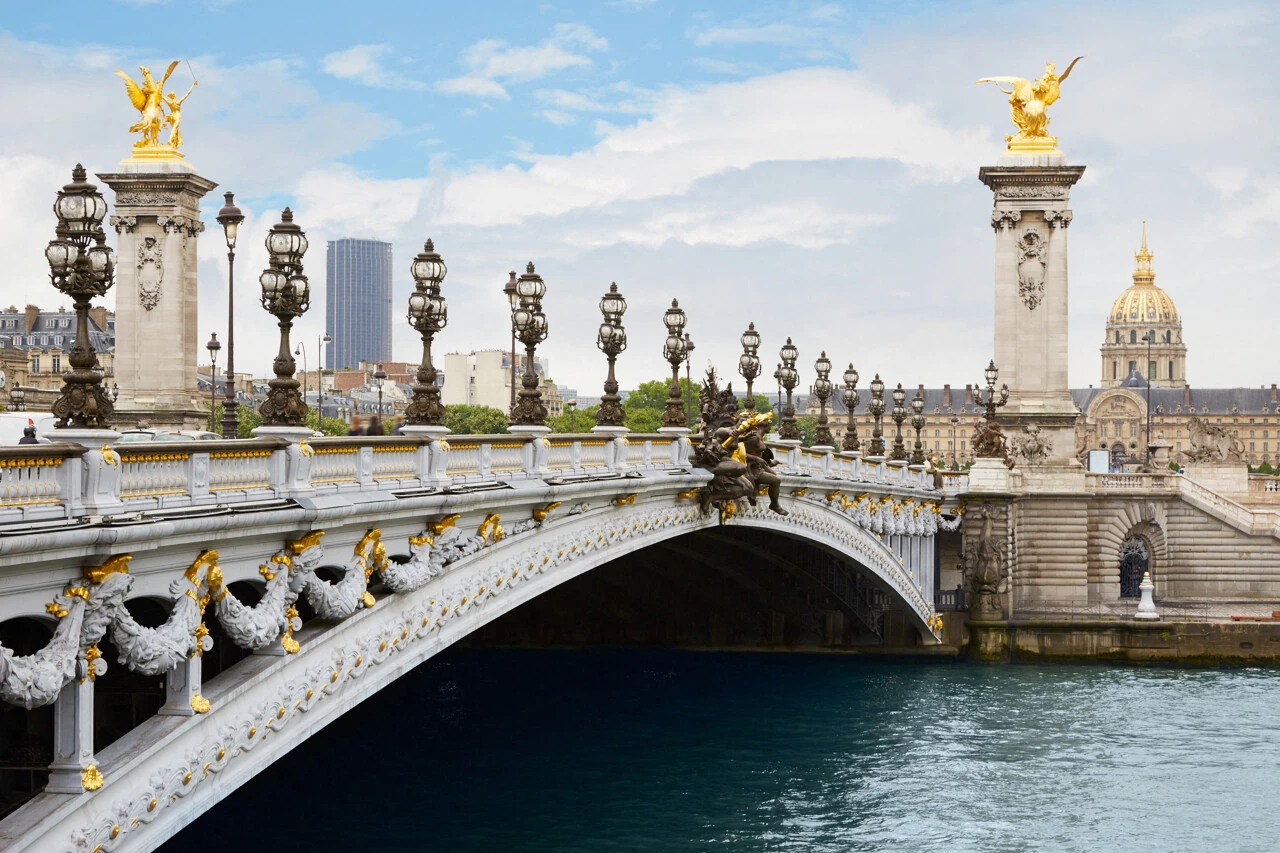
Both our Left Bank Tour and Right Bank Tour cover key moments of the Liberation. At Notre-Dame, we stand where de Gaulle proclaimed Paris free. At Pont Alexandre III, we tell the story of the bridges that nearly didn’t survive. At Place Vendôme, we recount Hemingway’s dramatic arrival.
Walk in their footsteps — Book a WWII tour in Paris.