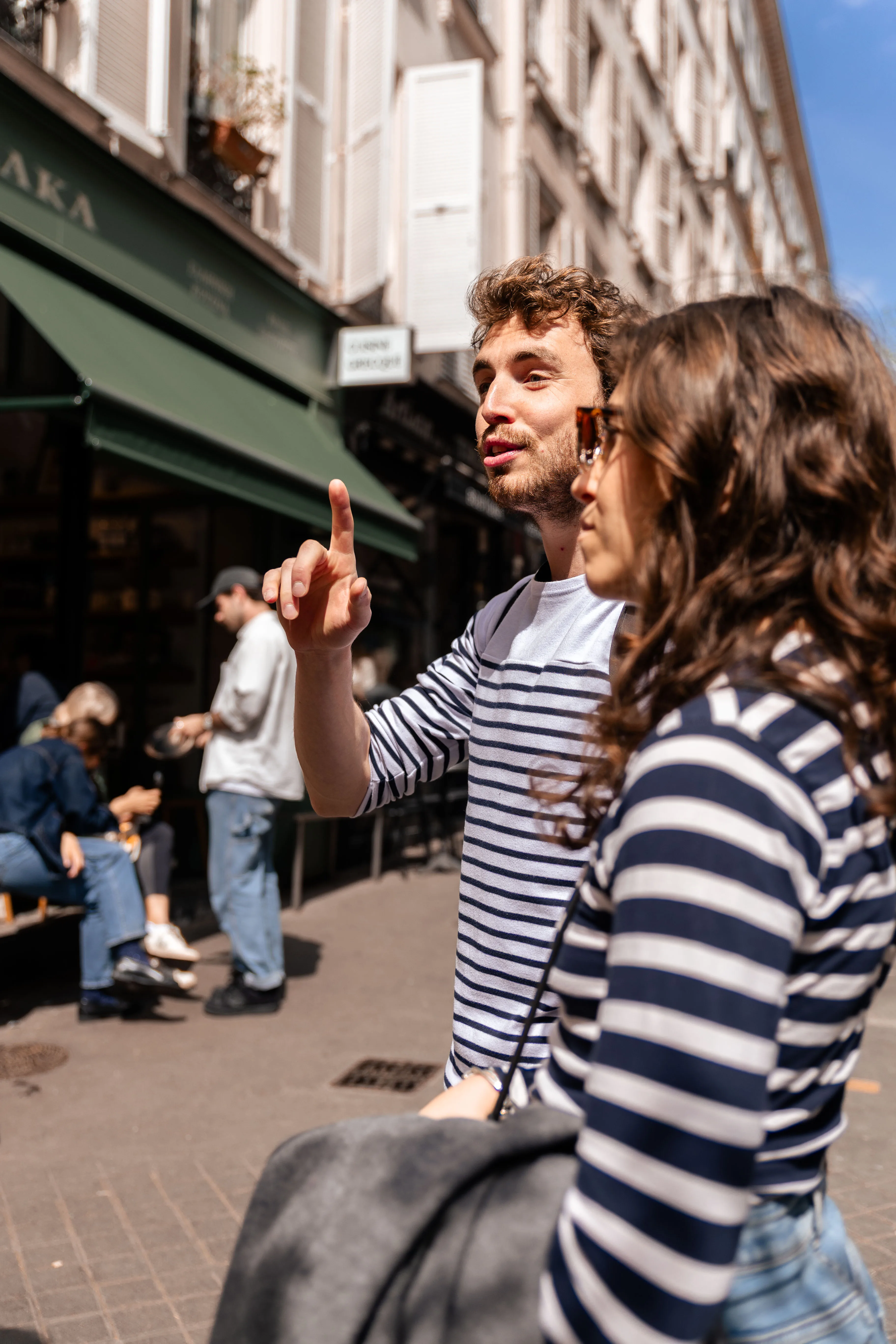
Historian of the streets
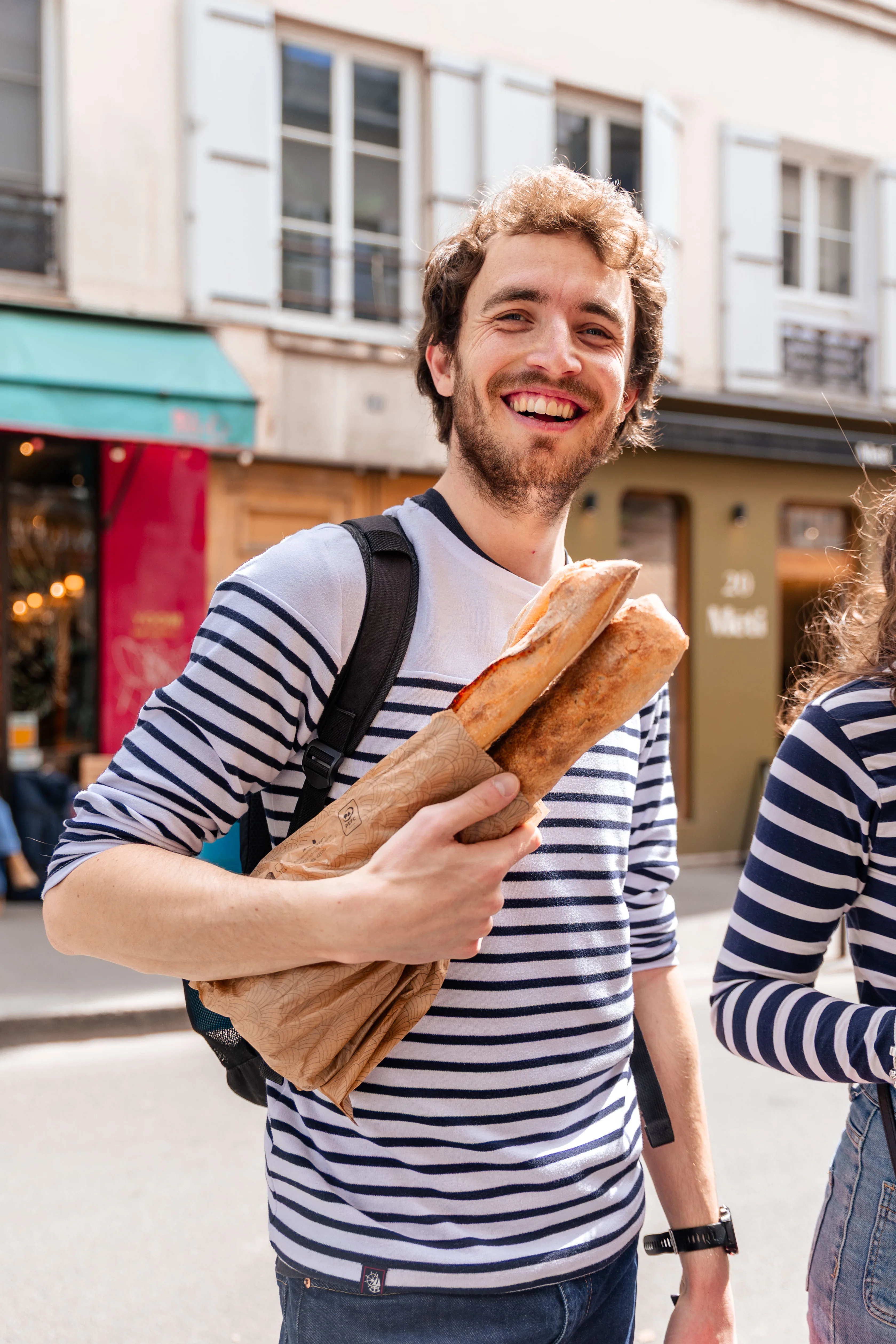
Clément Daguet-Schott
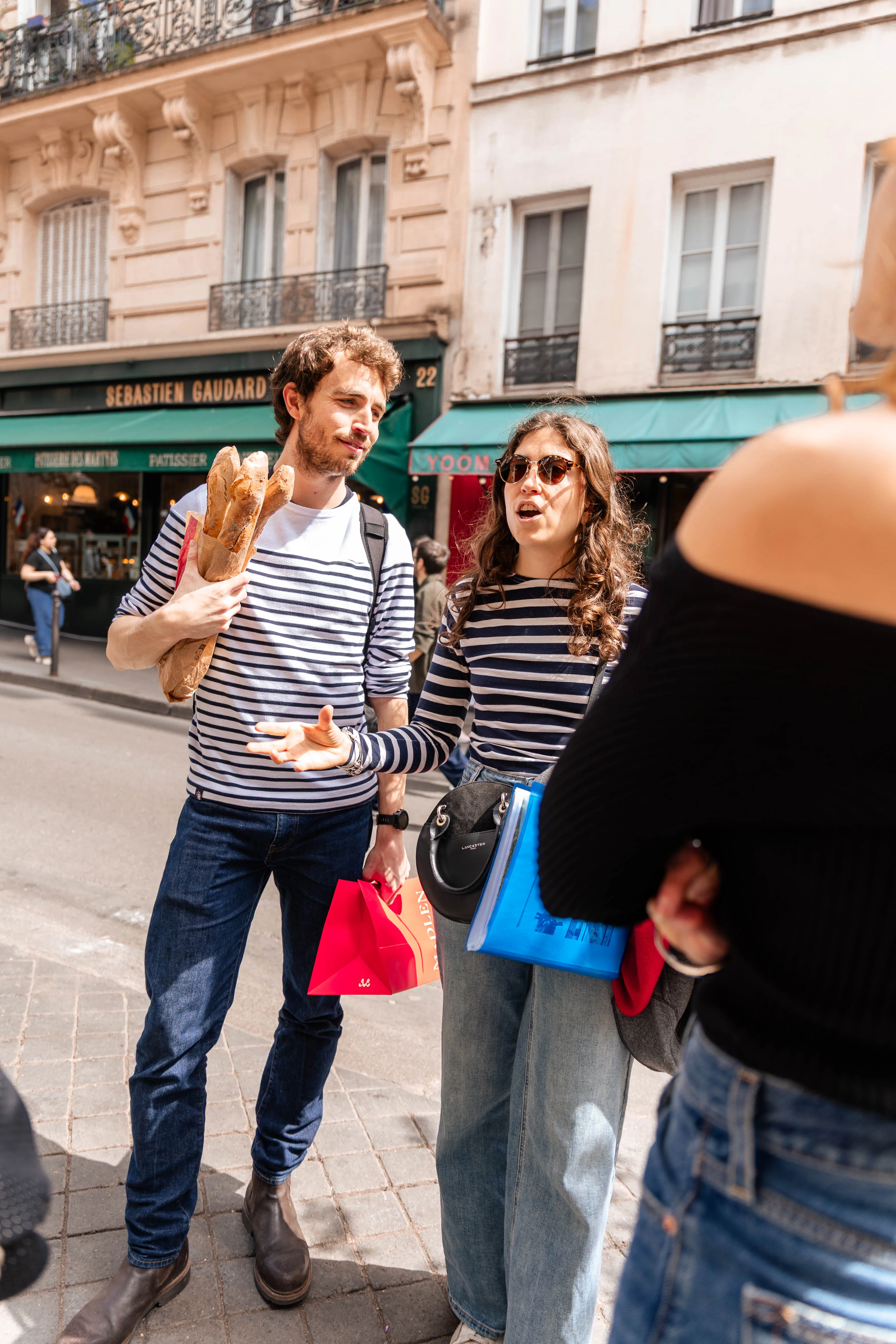
Parisian by choice, six years in. For the Nourritour, the storyteller takes the first hour — the covered passages, the rue des Martyrs, the history of four artisans and how Paris learned to eat.
Nourritour · Food & Wine
A walking food-and-wine tour of Paris, with a pinch of history
Your guides
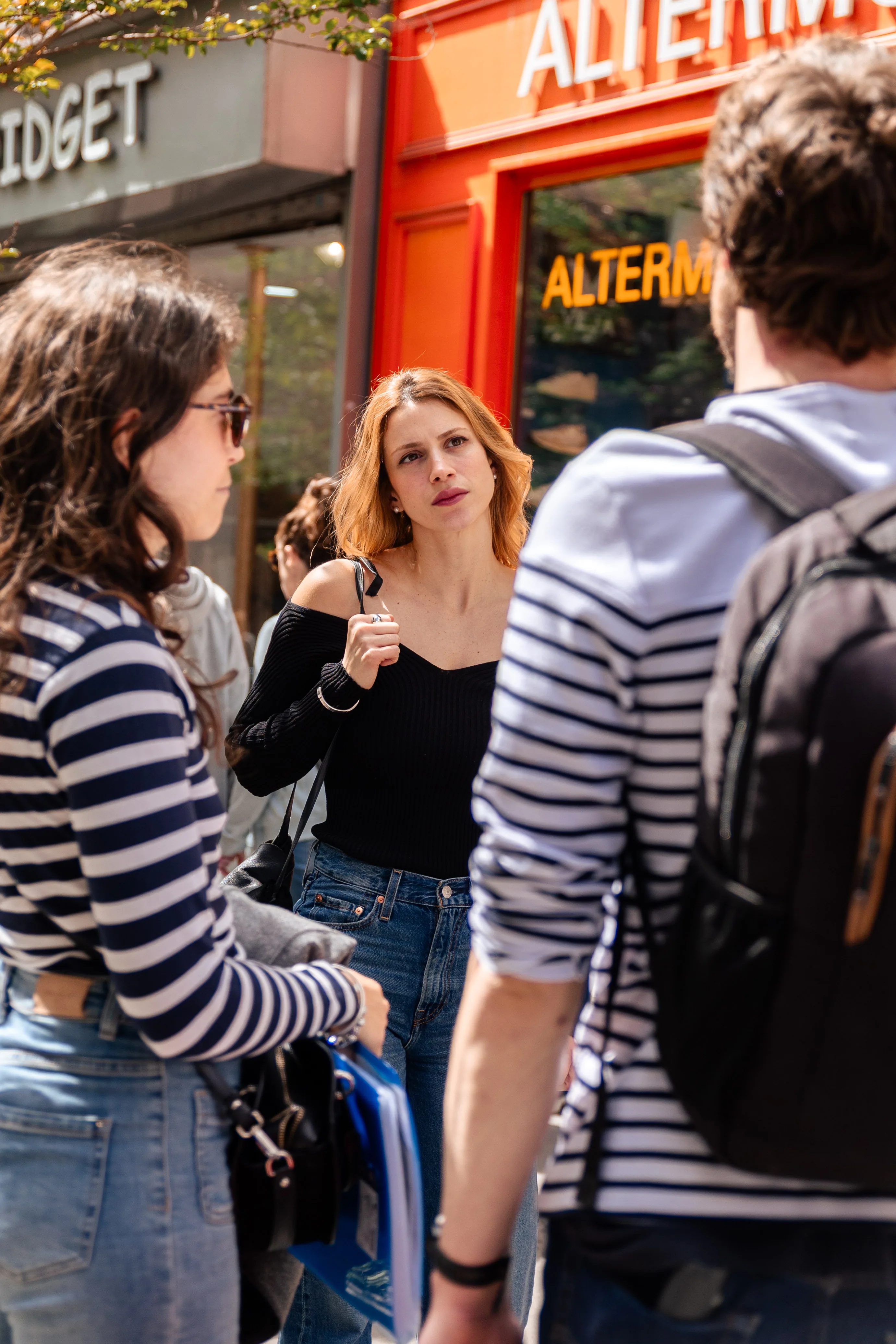
This is the only Paris History Tour we lead together. Food needs a storyteller; wine needs a wine enthusiast. It takes us both.
Historian of the streets
Parisian by choice, six years in. For the Nourritour, the storyteller takes the first hour — the covered passages, the rue des Martyrs, the history of four artisans and how Paris learned to eat.
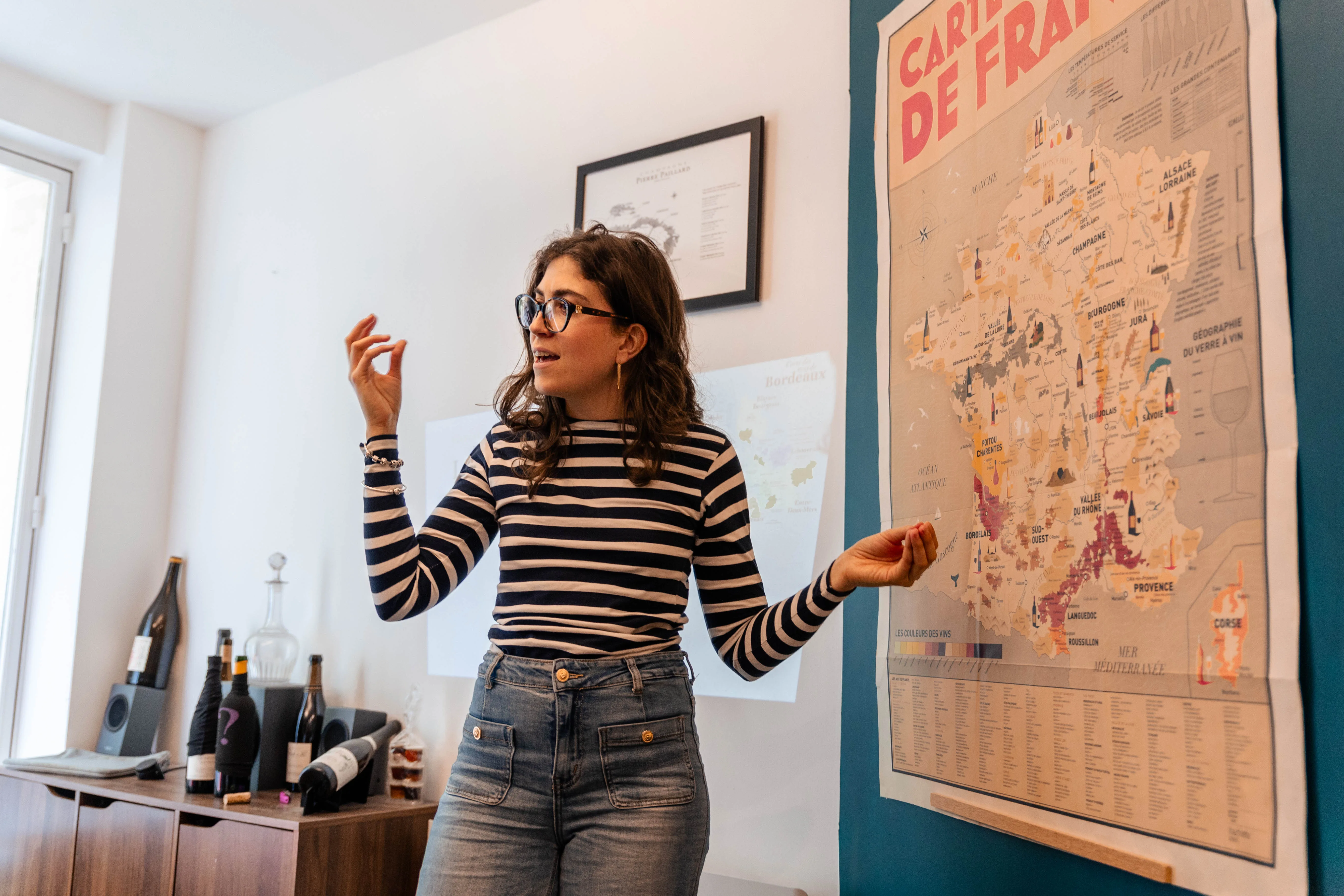
Wine enthusiast of the cellar
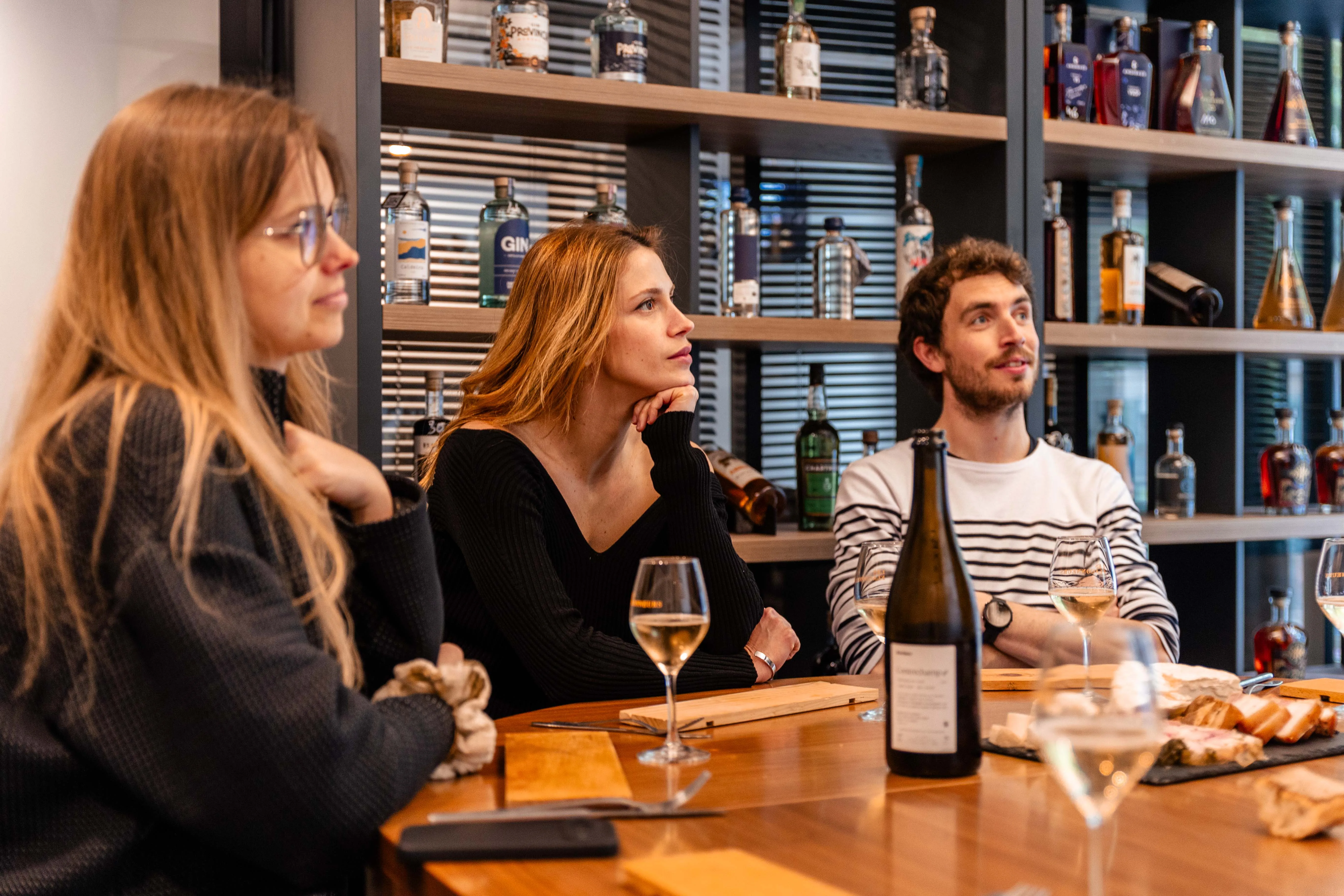
Amélie Leynier — Parisian by adoption, daughter of Bordeaux winemakers. She grew up in the cellars of the Médoc before Paris caught her. On the Nourritour, she leads the tasting hour — four flights, one keyword per wine, a rural chemistry turned art.
Did you know
Paris had more than 150 covered passages in the 19th century — glass-roofed, gas-lit, heated arcades, the world's first shopping malls. About twenty remain today.
The first French fast-food opened in Passage Jouffroy in 1851 — stand-up meals, cold plates, wine by the glass, a daily menu chalked outside. It took 130 years and McDonald's to bring the concept back.
Rue Cadet is named after two master gardeners, Jacques and Jean Cadet, who turned a medieval rubbish dump into one of Paris's most lucrative strawberry fields, feeding the city for centuries.
Charles-Louis Cadet de Gassicourt — Napoleon's personal pharmacist and a rumored illegitimate son of Louis XV — published France's very first gastronomic map in 1809, replacing church spires with hams, truffles, and cheeses.
At the 9th century, Montmartre was three-quarters covered in vines. A 17th-century saying went: "C'est du vin de Montmartre, qui en boit pinte en pisse quarte" — a wine of famously diuretic virtues.
Three movements, one tour
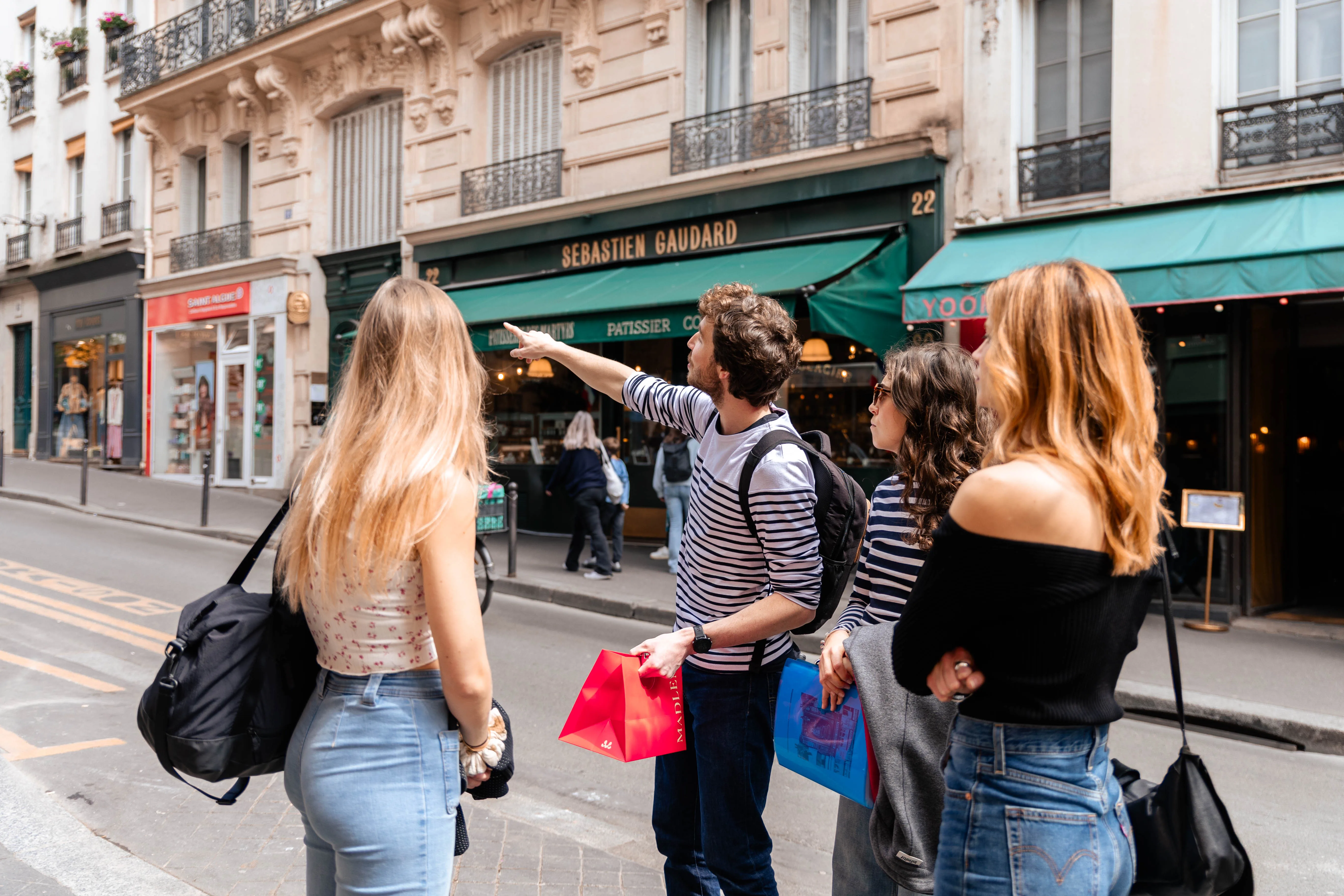
Act I · The Arcades & the Street
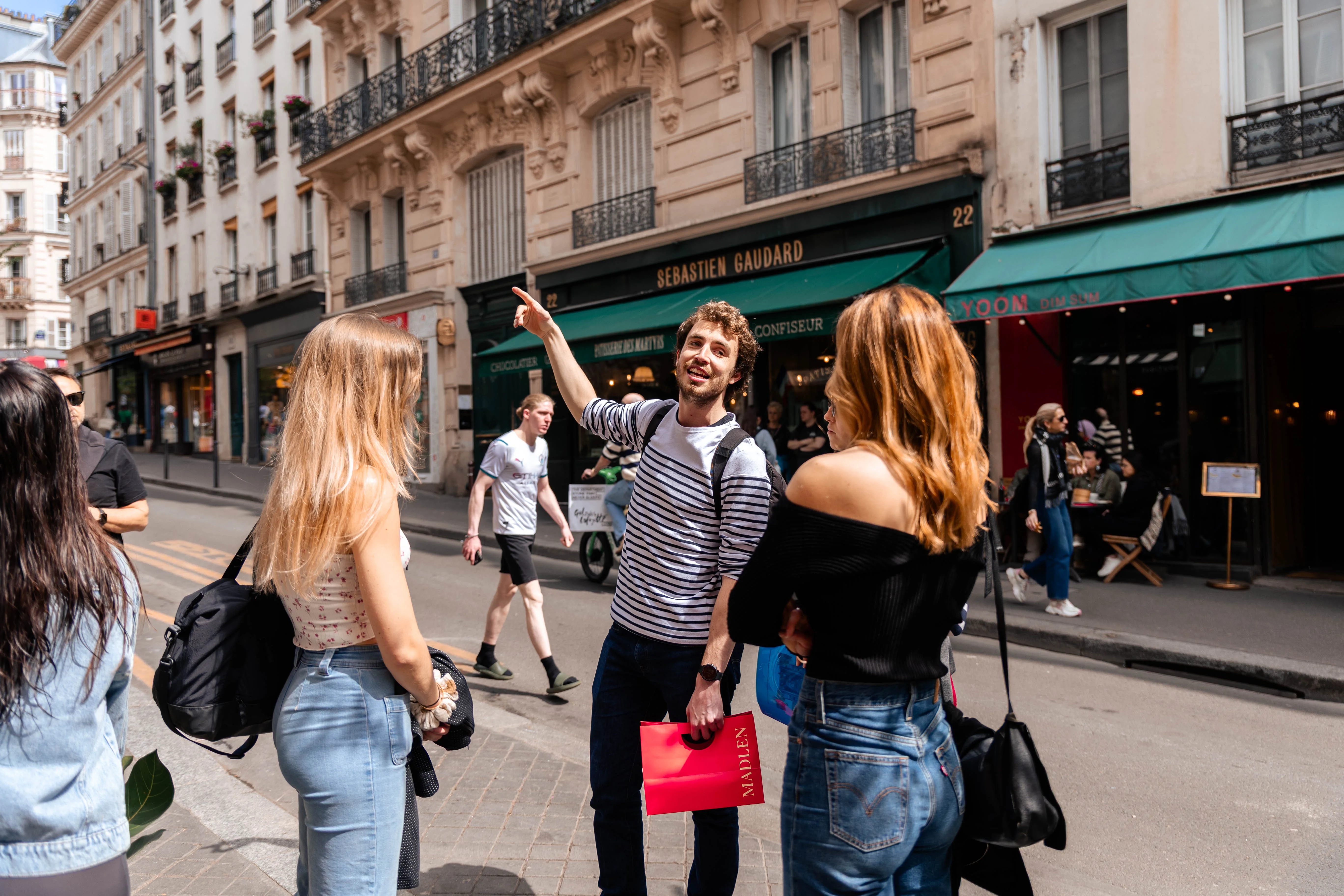
Covered passages, a rue that was once a dumping ground, and the first French fast-food stall — the history of how Paris ate, from the arcades of the 19th century to the shops still standing today.
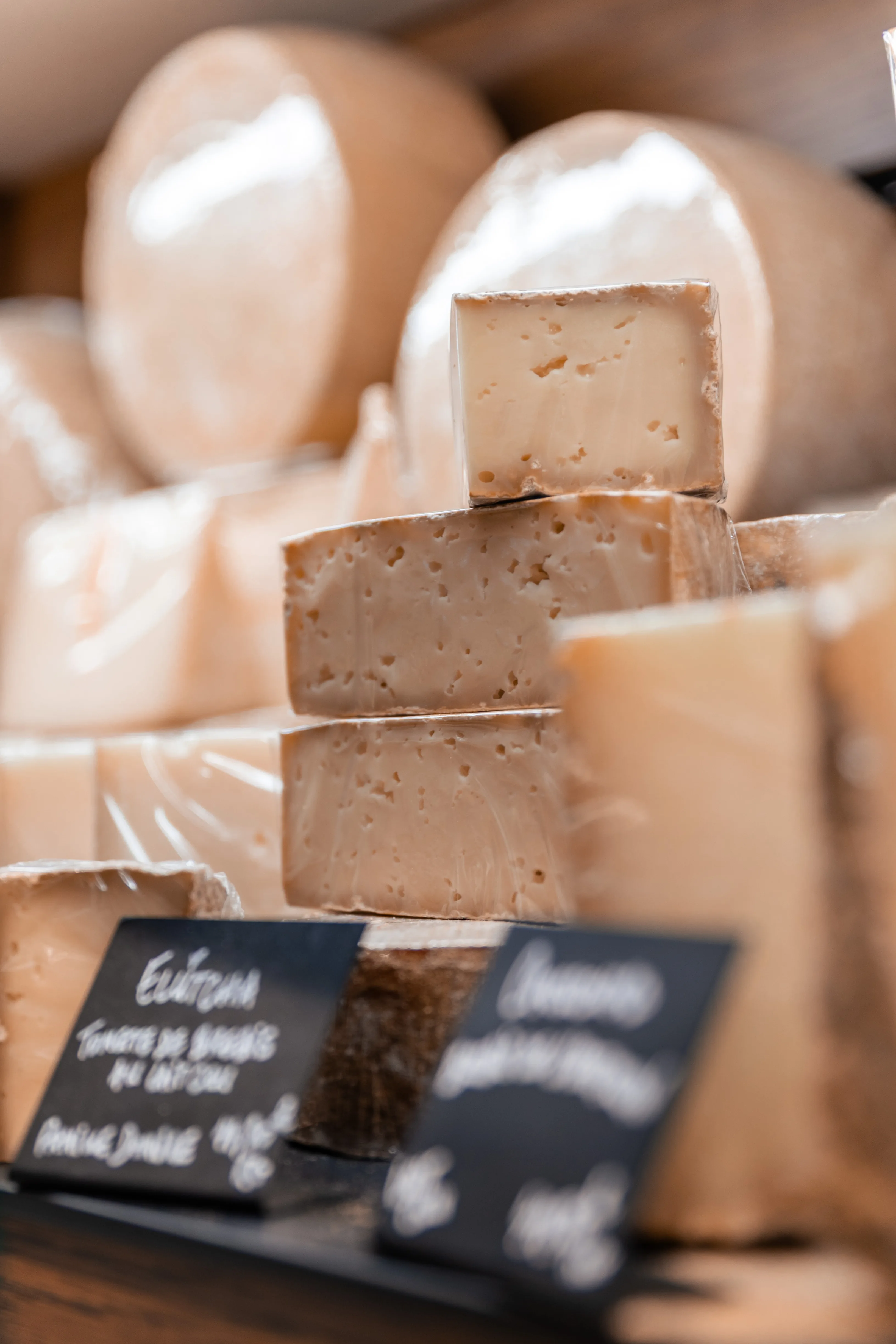
Act II · Four Artisans
Four artisans, four windows onto French terroir. Cheese, charcuterie, madeleines, wine — each shop is a chapter in how the French built their food around the land that produces it.
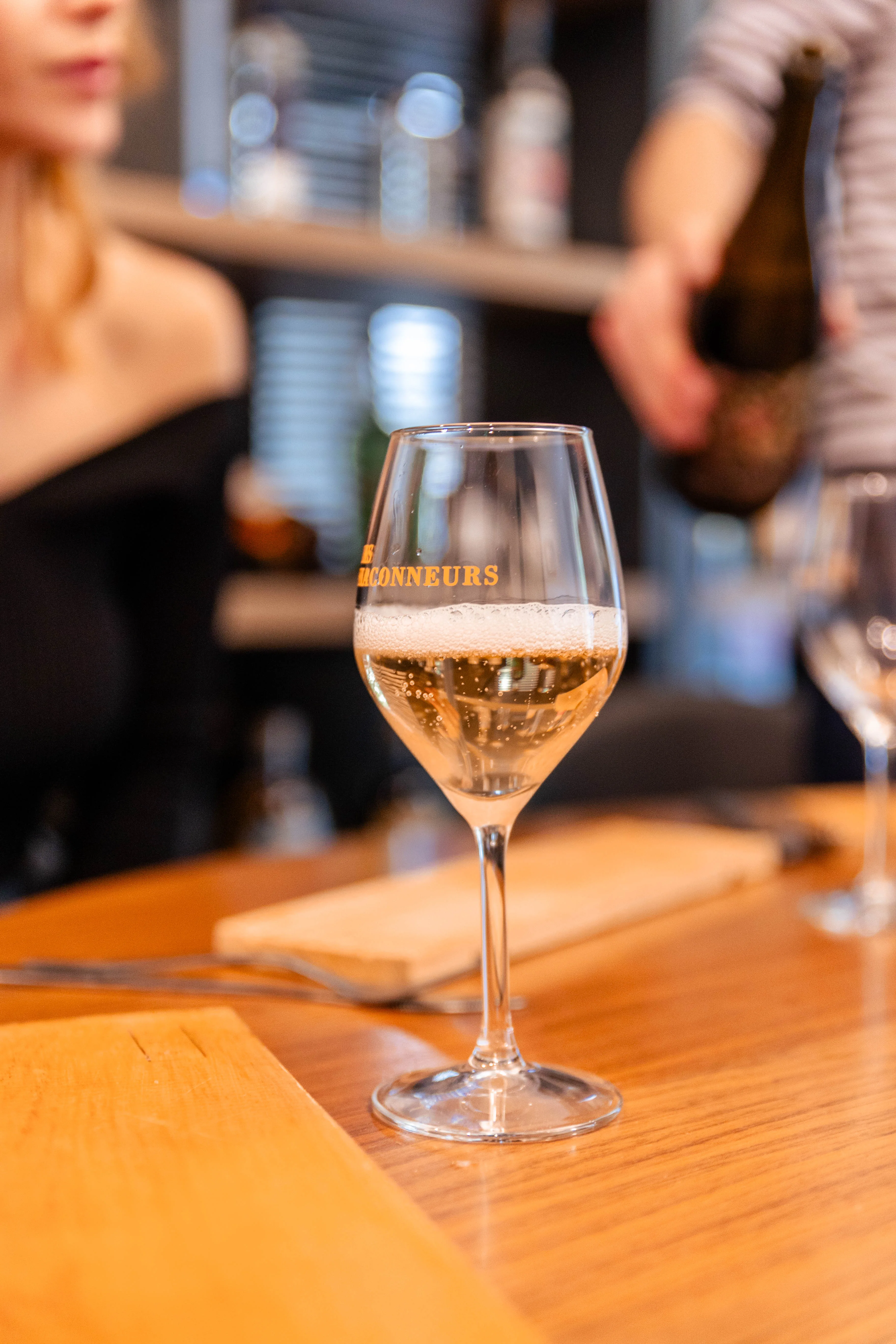
Act III · Four Flights
Four flights at a wine cellar on rue de Maubeuge. Look · Smell · Taste, one keyword per pairing, and a rural chemistry of survival turned art — why a Sancerre goes with a Crottin, why a Bordeaux needs a crusty bread.
On the ground
Walked in sequence — each stop sets up the next.
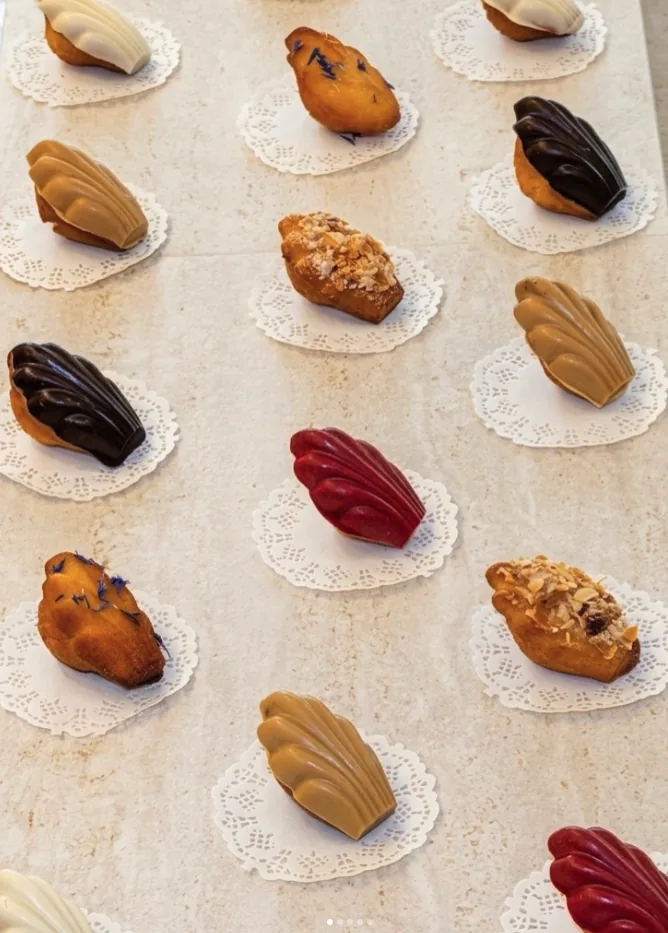
Madeleines
Our first stop, on the rue Cadet. A pastry shop built around one small, shell-shaped cake with an outsized literary reputation. The story of the name (a servant, not a saint), the story of the street (strawberry fields, not aristocrats), and the first gastronomic map of France — published here, in 1809, replacing church spires with hams and cheeses.
Cheese
A third-generation cheesemonger on the rue des Martyrs. Over 1,200 French cheeses, 46 protected by AOP, each tied to a region, a herd, a cave. We talk about monasteries — the real laboratories of medieval affinage — about terroir, about the rituals of ripening. Then we pick the cheeses that will match tonight's wines.
Charcuterie
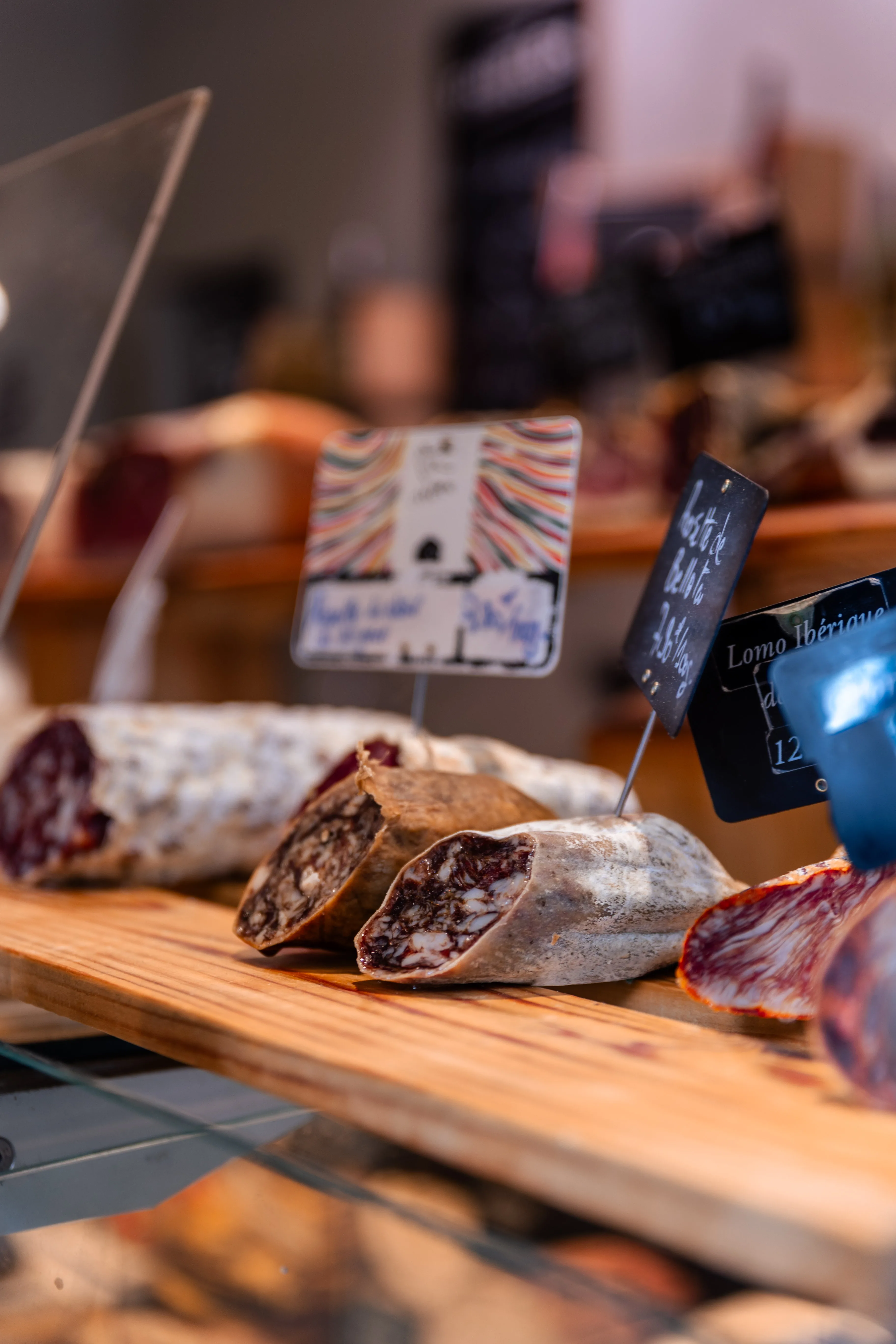
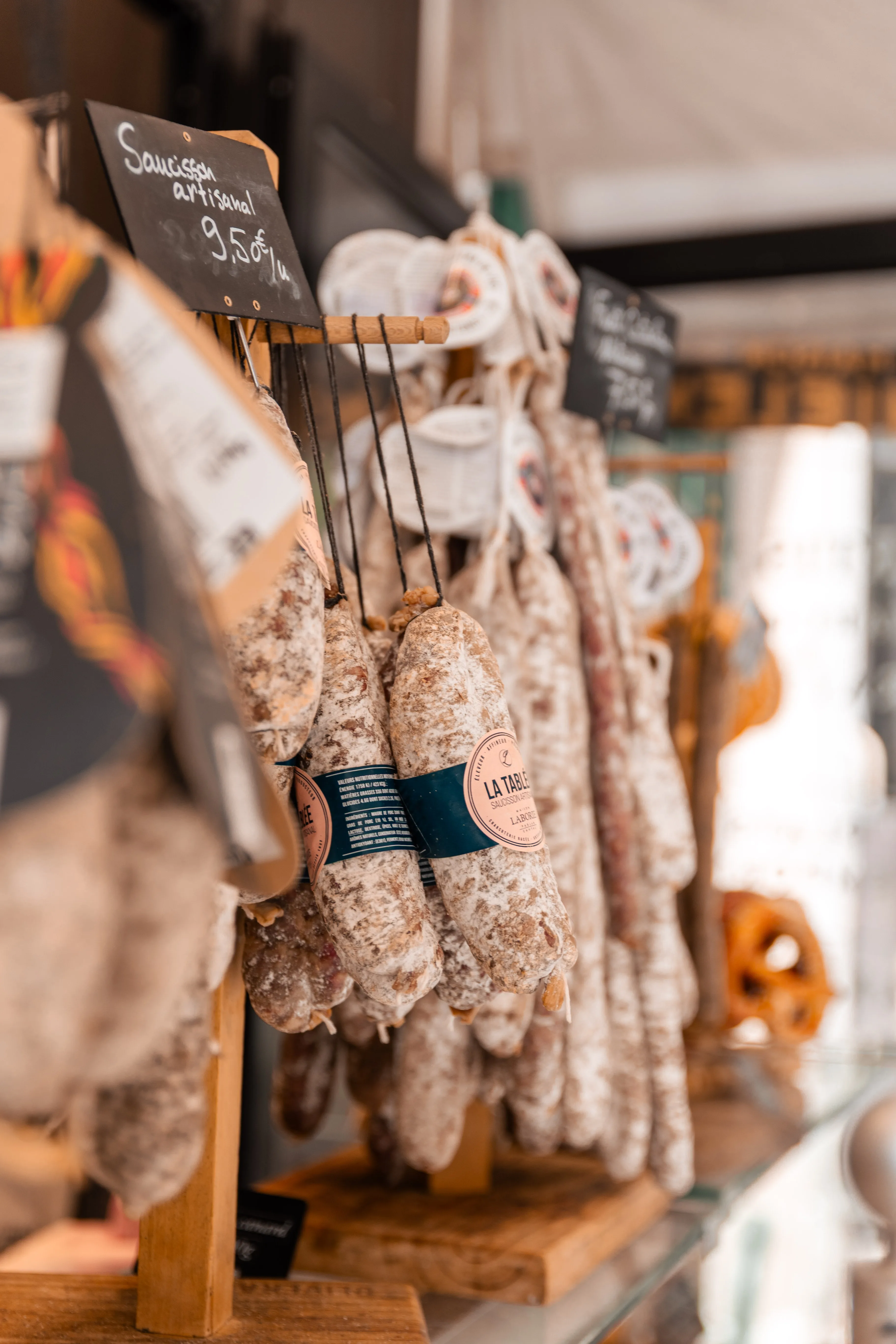
From "chair cuite" — cooked flesh. Gaulish hams that fed Roman legions, a 1475 charter giving charcutiers the monopoly on cooked pork, regional specialties built around winter preservation. Here we pick the cured meats — a rosette de Lyon, a jambon persillé de Bourgogne, a chorizo ibérique — that will anchor the tasting boards.
Tasting
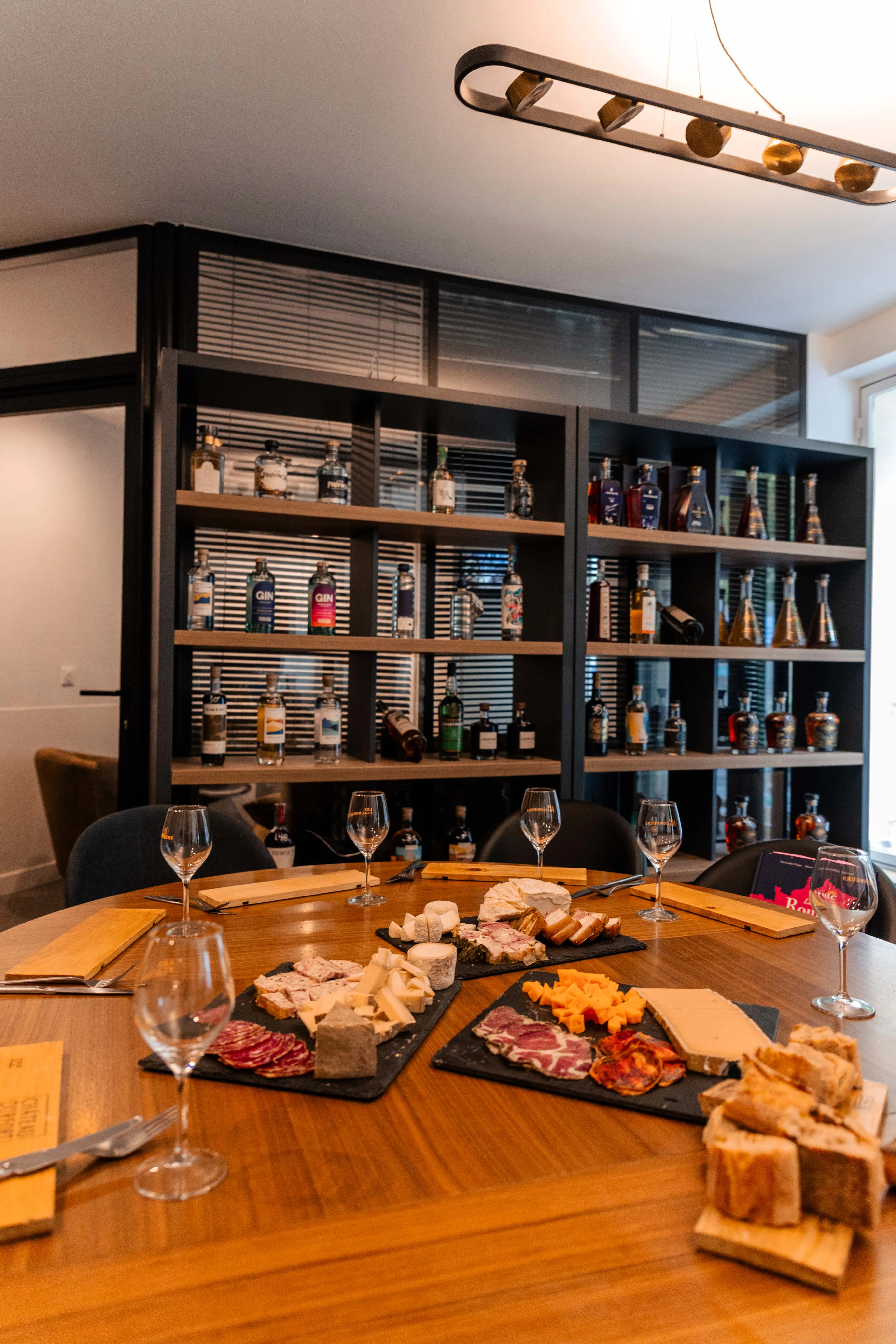
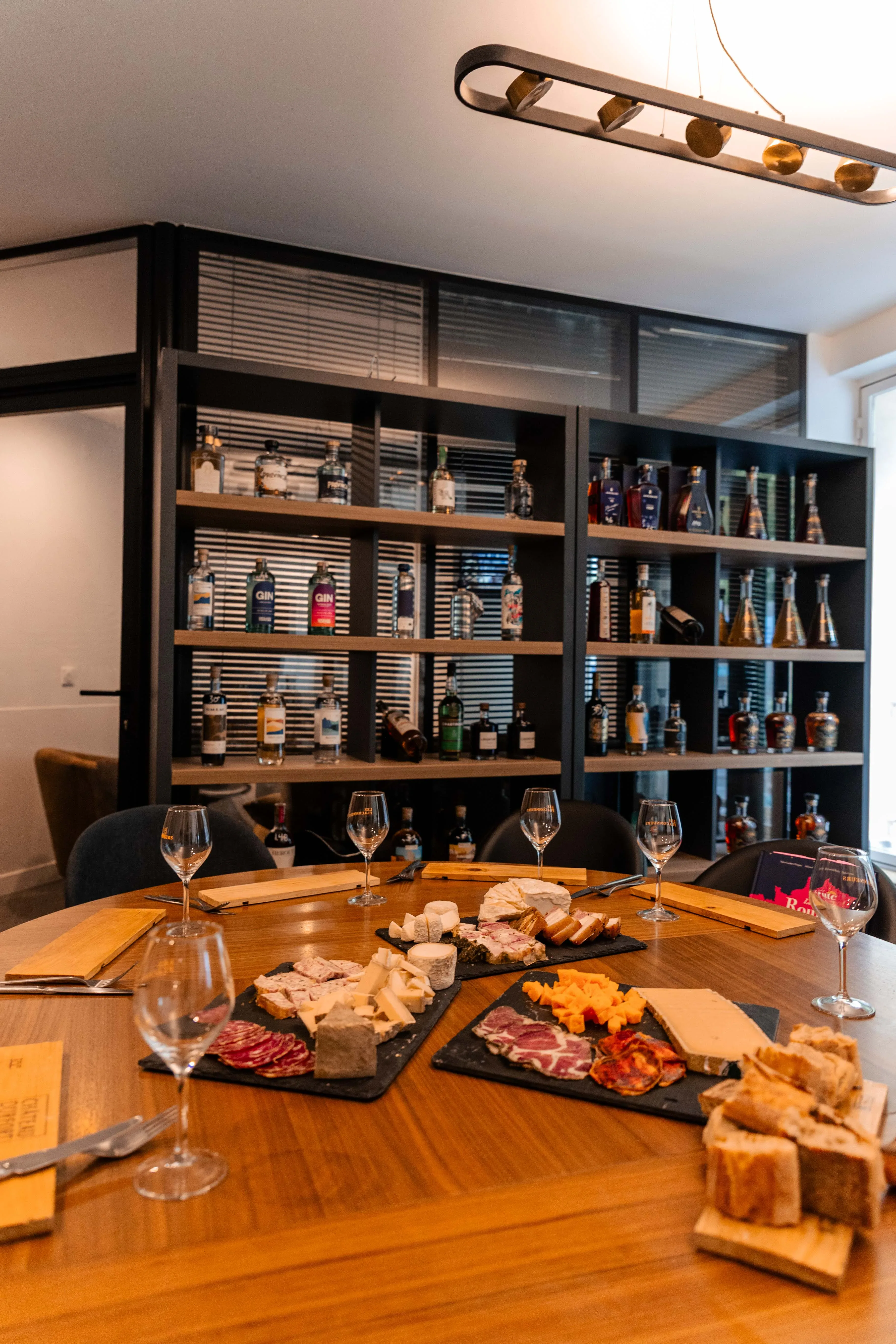
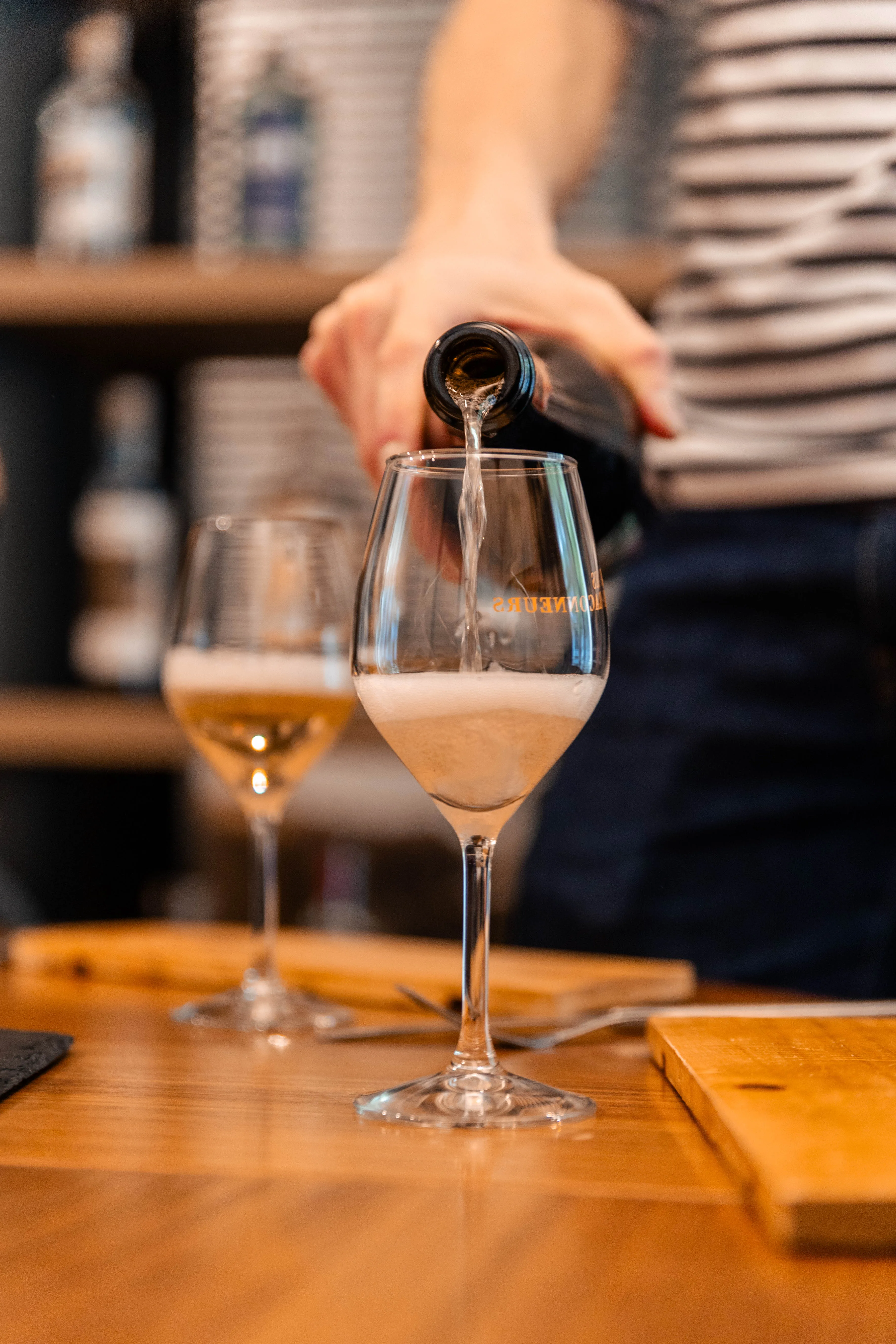
The cellar on rue de Maubeuge where everything comes together. Four flights in progression — Fraîcheur, Onctuosité, Puissance, Gourmandise — one keyword per wine, the three gestures (look, smell, taste), and a quiz running through the hour. By the last glass, you'll hold your own words for what you're drinking.
The walk
Four artisans across the 9th, ending at a wine cellar on rue de Maubeuge.
Book this walk
Or book directly
Pick a date, a party size, pay in one step. Bookings confirm within 24 hours.

Questions
A 3-hour food and wine walking tour of the 9th arrondissement in two movements: first the covered passages and the rue des Martyrs, shopping at four artisans — madeleines, cheese, charcuterie, wine — then a sit-down tasting at a wine shop.
The products bought at the four artisans are served as four progressive pairing boards that travel across France's wine regions: Loire, Burgundy, Bordeaux, and Sauternes.
About half the tour: roughly 1.5 hours of easy walking through the covered passages and the rue des Martyrs, followed by 1.5 hours seated for the tasting.
From €119 per person, tastings included. Group size is limited to keep the artisan visits and the tasting personal.
The tour is co-guided: a historian tells the story of the covered passages, the rue des Martyrs and how Paris learned to eat, while a wine specialist leads the tasting. Available in English and French.