Rose Valland, a curator at the Jeu de Paume museum, secretly catalogued over 20,000 artworks stolen by the Nazis for 4 years, risking execution if discovered. Her records helped recover thousands of pieces after the war.
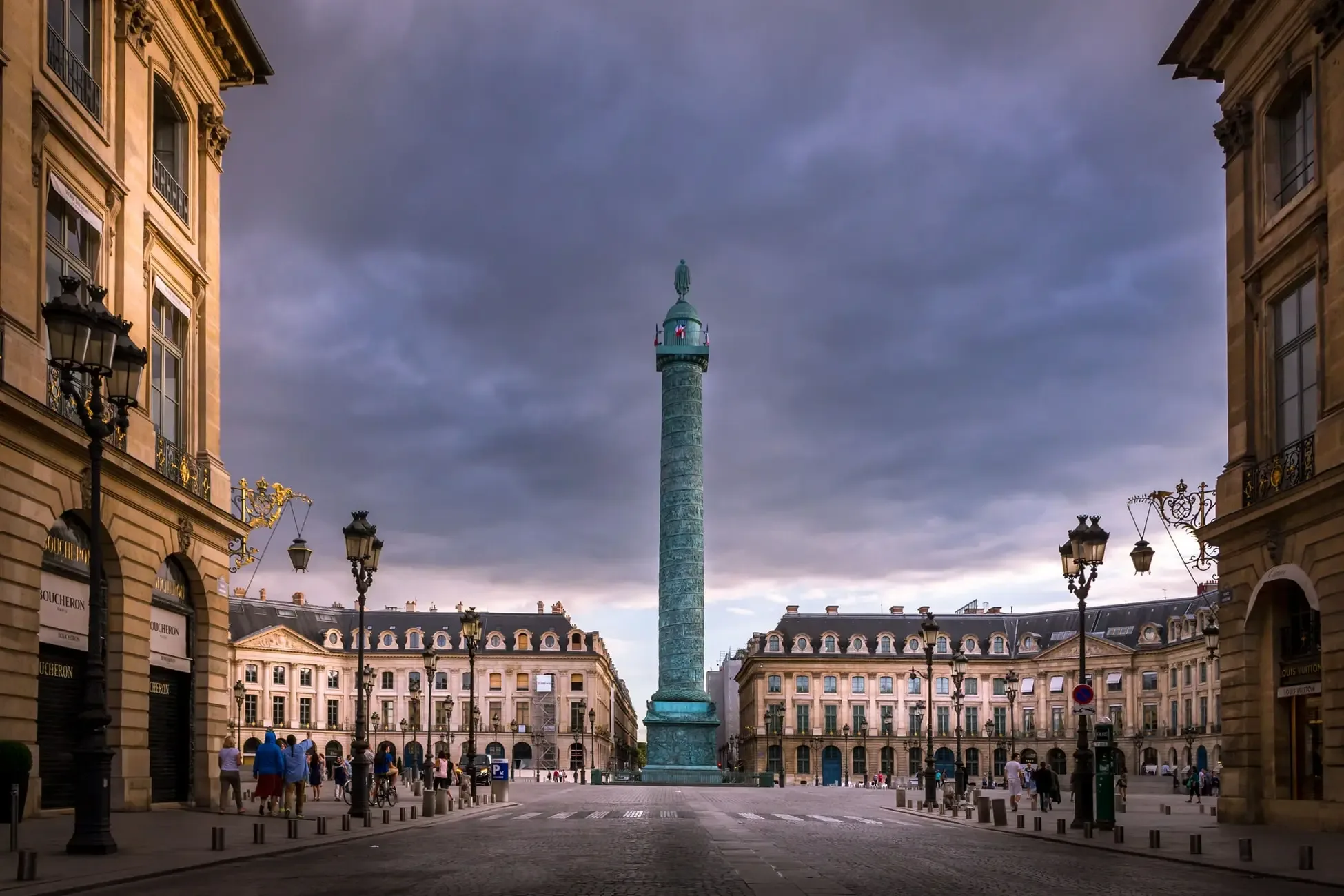
Right Bank · WWII
WW2 Right Bank Tour
Discover Paris under the light of the Second World War
Did you know
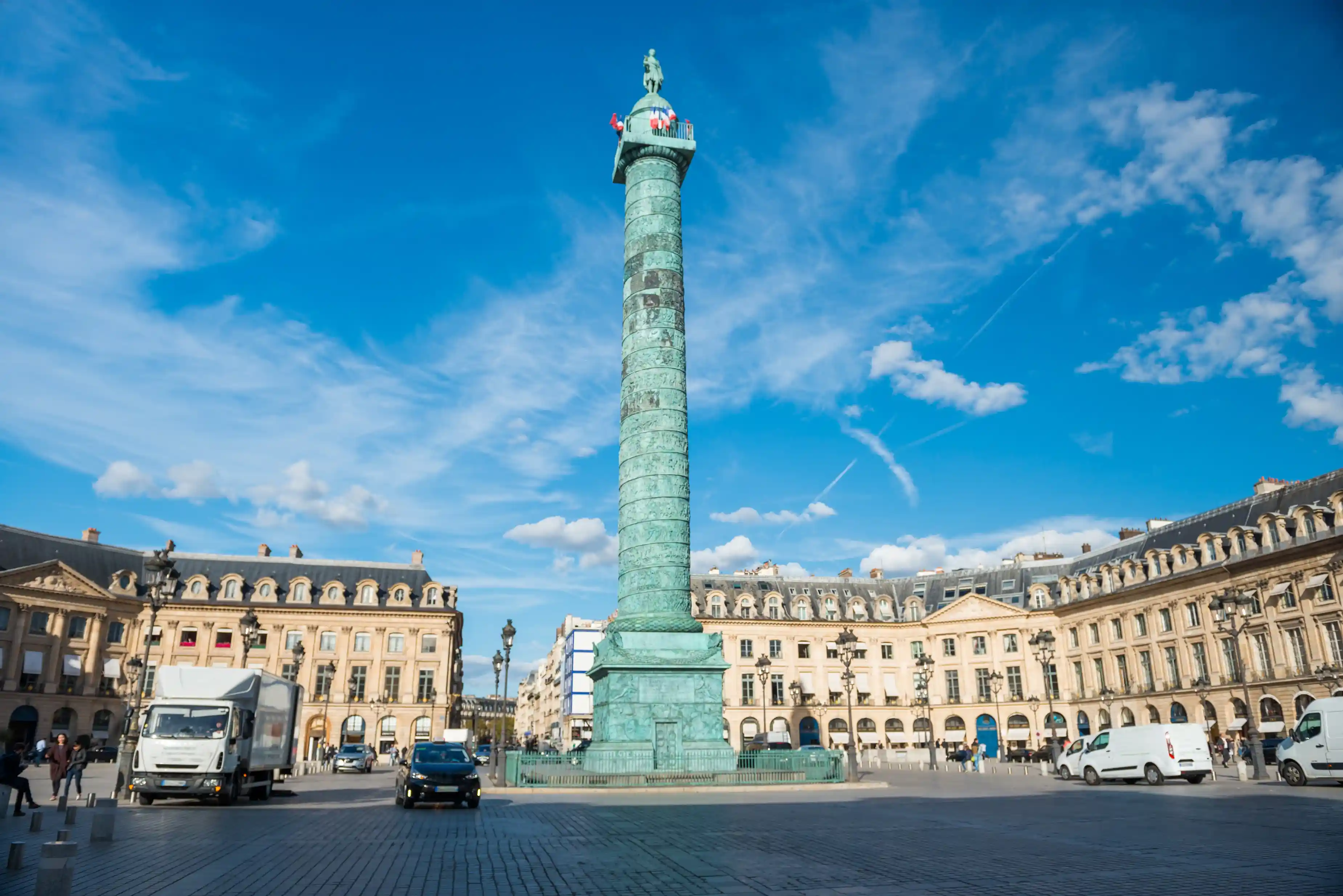
Ernest Hemingway famously claimed to have 'liberated' the Ritz Hotel bar at Place Vendome on August 25, 1944, arriving with a group of French resistance fighters and ordering 73 dry martinis.
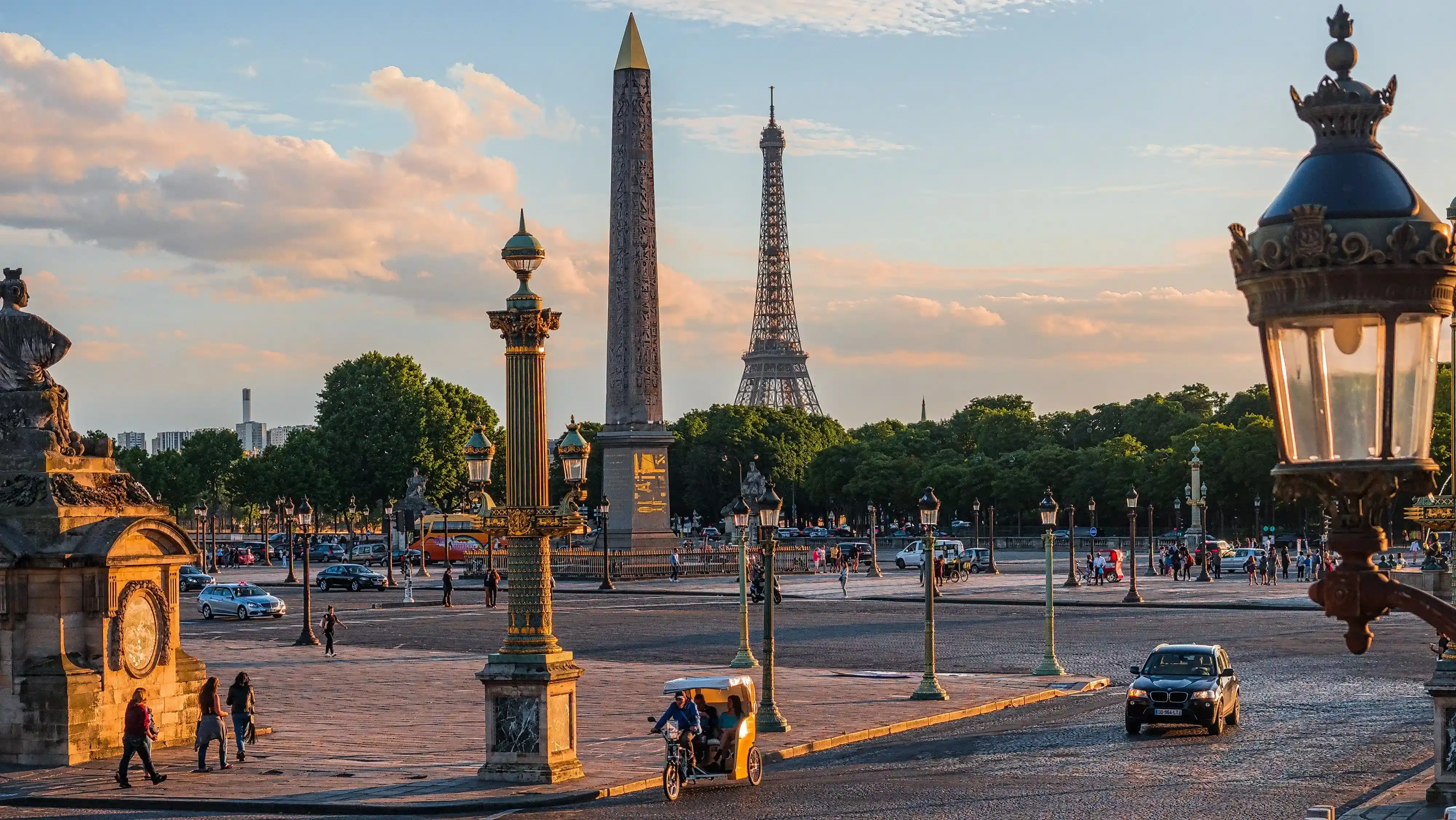
Place de la Concorde was the site of the first French flag raised over a public building in Paris during the Liberation, replacing the swastika that had flown for over 4 years.
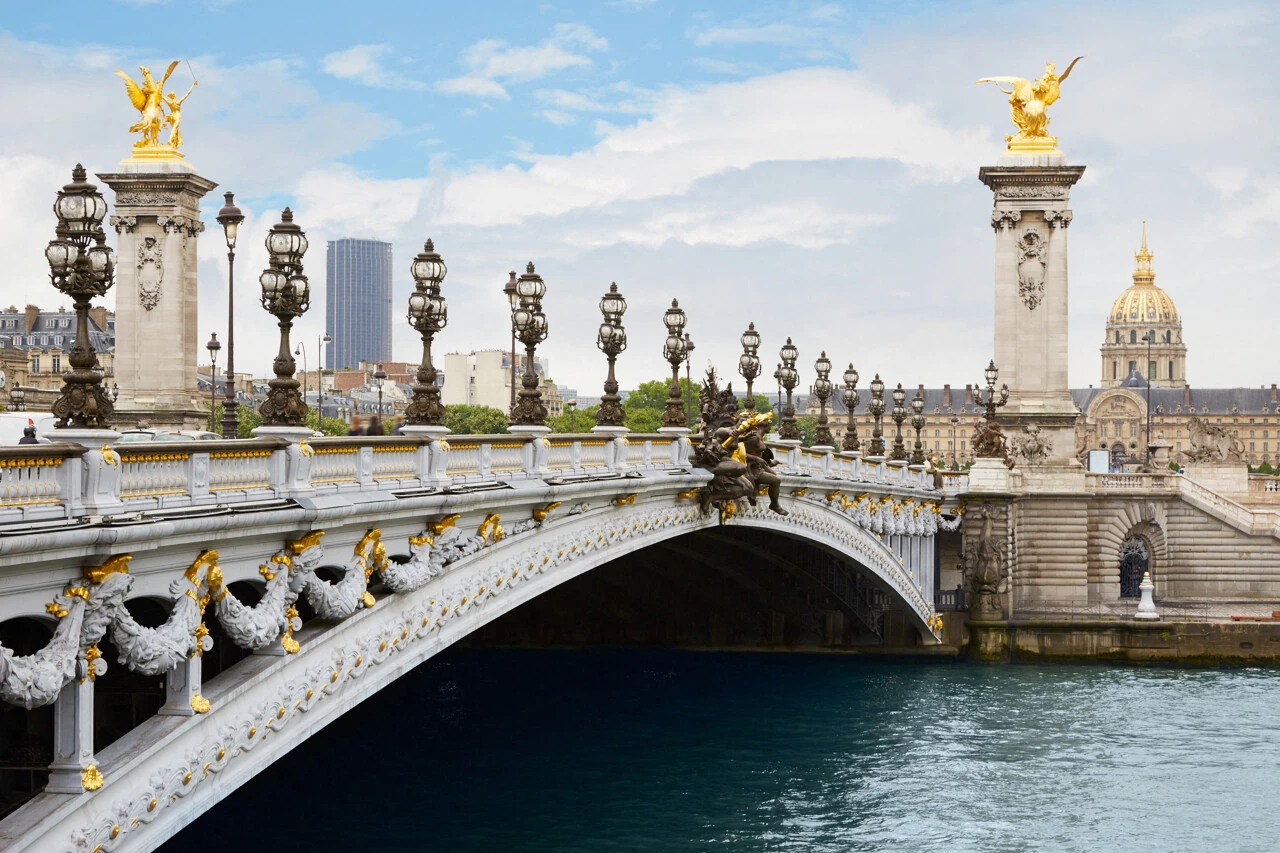
The Pont Alexandre III, where our tour begins, was one of the bridges Hitler ordered to be destroyed. It survived thanks to the German garrison's decision to disobey the demolition order.
During the occupation, German road signs in Gothic script were installed across Paris, and the clocks were set to Berlin time — one hour ahead of French time.
Three threads, one walk
The Fall · The Resistance · The Liberation
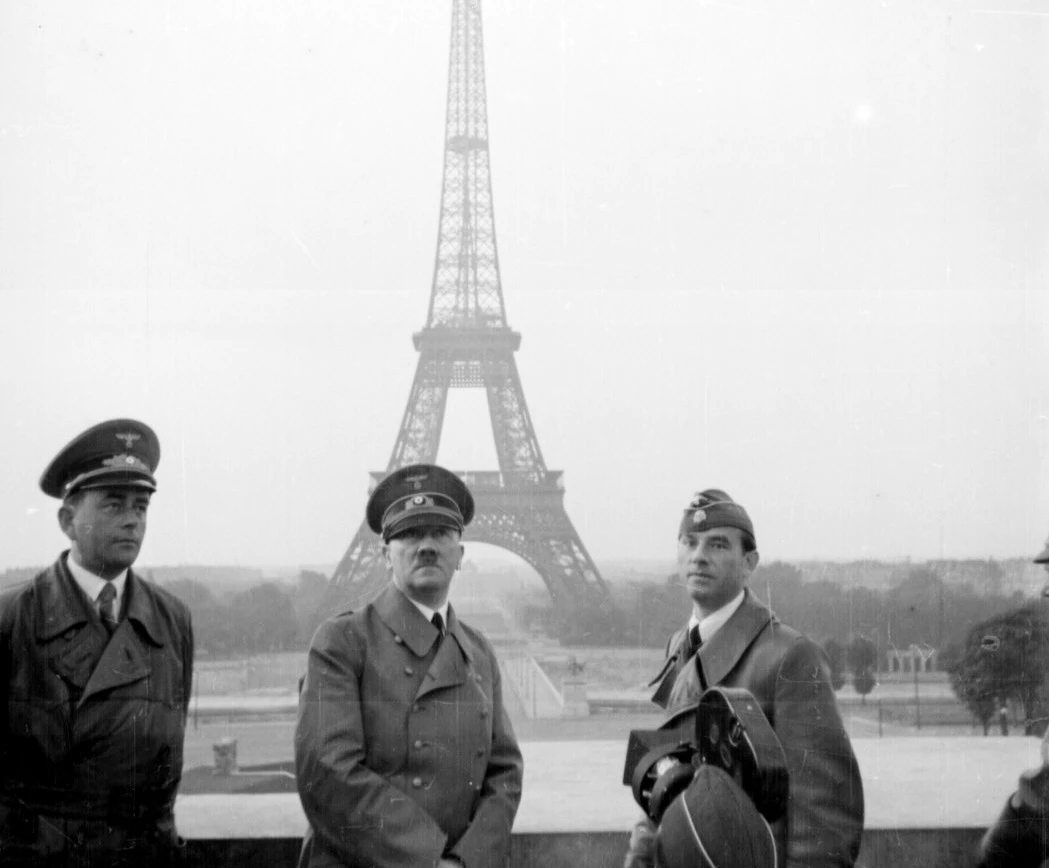
Act I · June 1940
The Fall of Paris
Discover how Paris fell to the hands of the German army in only 35 days of active combat, and learn more about the crucial decisions taken during that period.
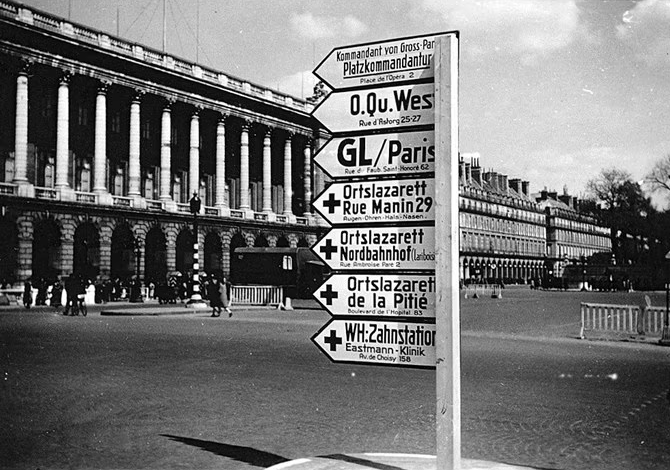
Act II · 1940 — 1944
The Resistance
Learn how some French Resistance fighters operated under the noses of the Nazi occupiers, using ingenuity and courage to protect their city and its culture.
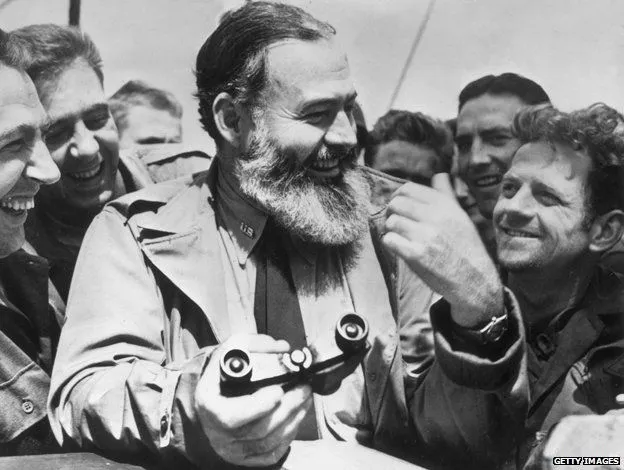
Act III · August 1944
Liberation
Revisit the Liberation of Paris in August 1944, when the city came on the brink of destruction, and learn how some famous characters were involved in the event.
On the ground
Our 4 Historic Stops
Walked in sequence — each stop sets up the next.
-
Introduction
Bridge Alexander III - Introduction
Our first stop is all about getting on the same page — and having a bit of fun while we do it. We'll set the scene for Paris in World War II, giving you the key events and characters to remember. There's a quiz involved, so listen closely…
-
The Fall of Paris
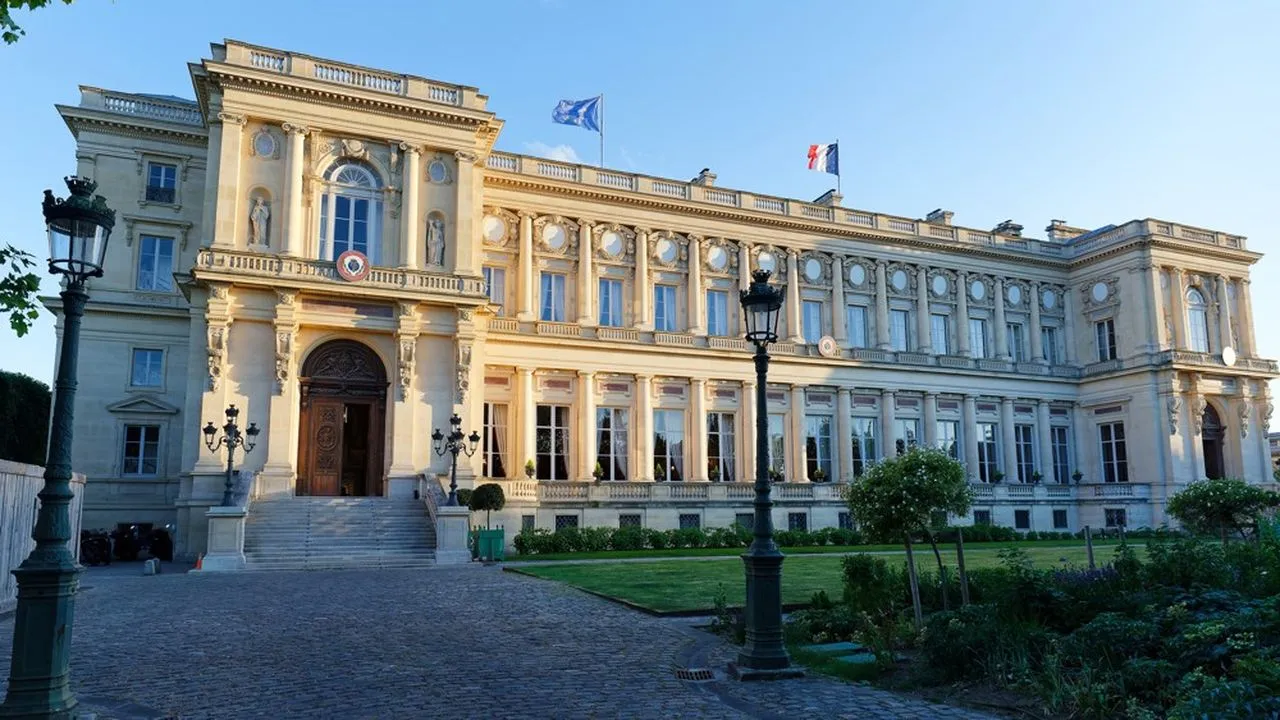
Ministry of Foreign Affairs - The Fall
Here we revisit a decisive meeting held immediately after the German assault in May 1940. You'll discover the important decisions that were taken on that day by the government on the future of the French capital.
-
The Resistance
Concorde Square - The Resistance
Moving on to the Occupation period, we'll focus on the story of a French female Resistance fighter called Rose Valland. For 4 years straight, she risked her life every day to keep track of all the artwork seized by the Nazis in Paris, and sent to Germany...
-
Liberation
Place Vendôme - Liberation
Fighting in the streets, uncertainty in command, and a literary legend—Ernest Hemingway—who vowed to liberate a very specific Parisian site. Did he succeed? We build the suspense as we reach the symbolic finale.
The walk
See where we walk.
Four stops, two hours, one neighbourhood — all on foot.
Right Bank
2.5 km · 4 stops · 2 h
On the ground
From the tour.
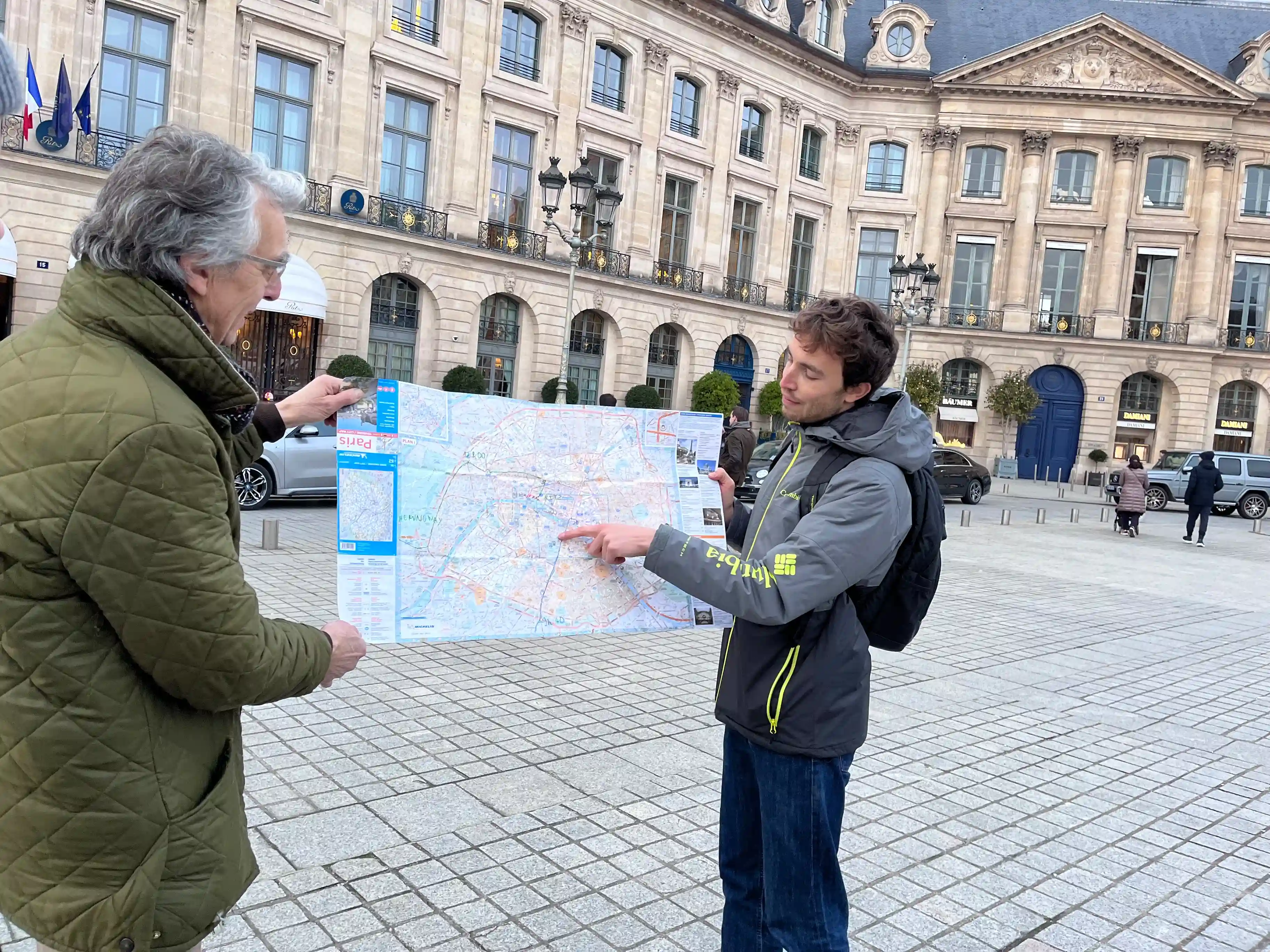
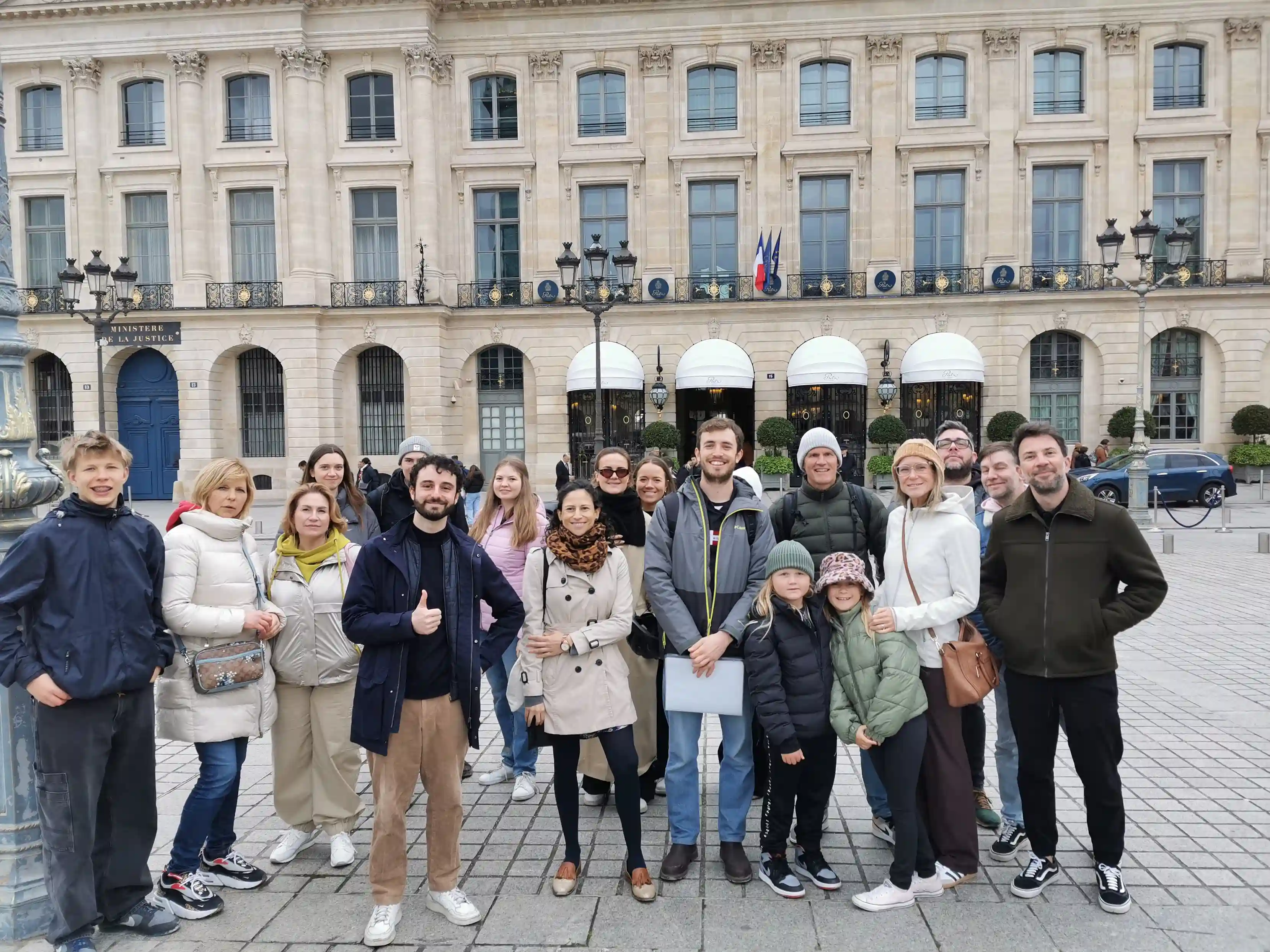
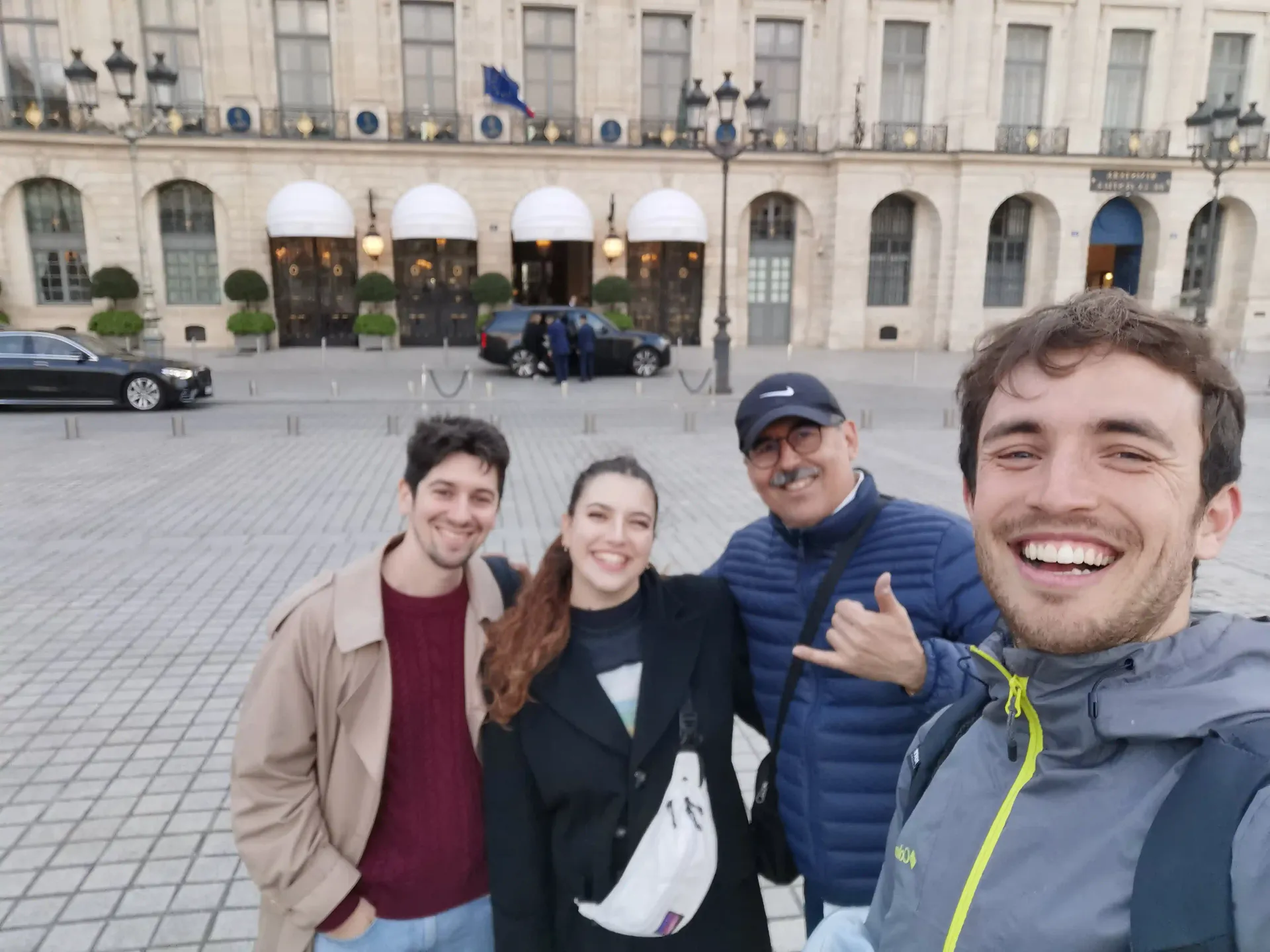
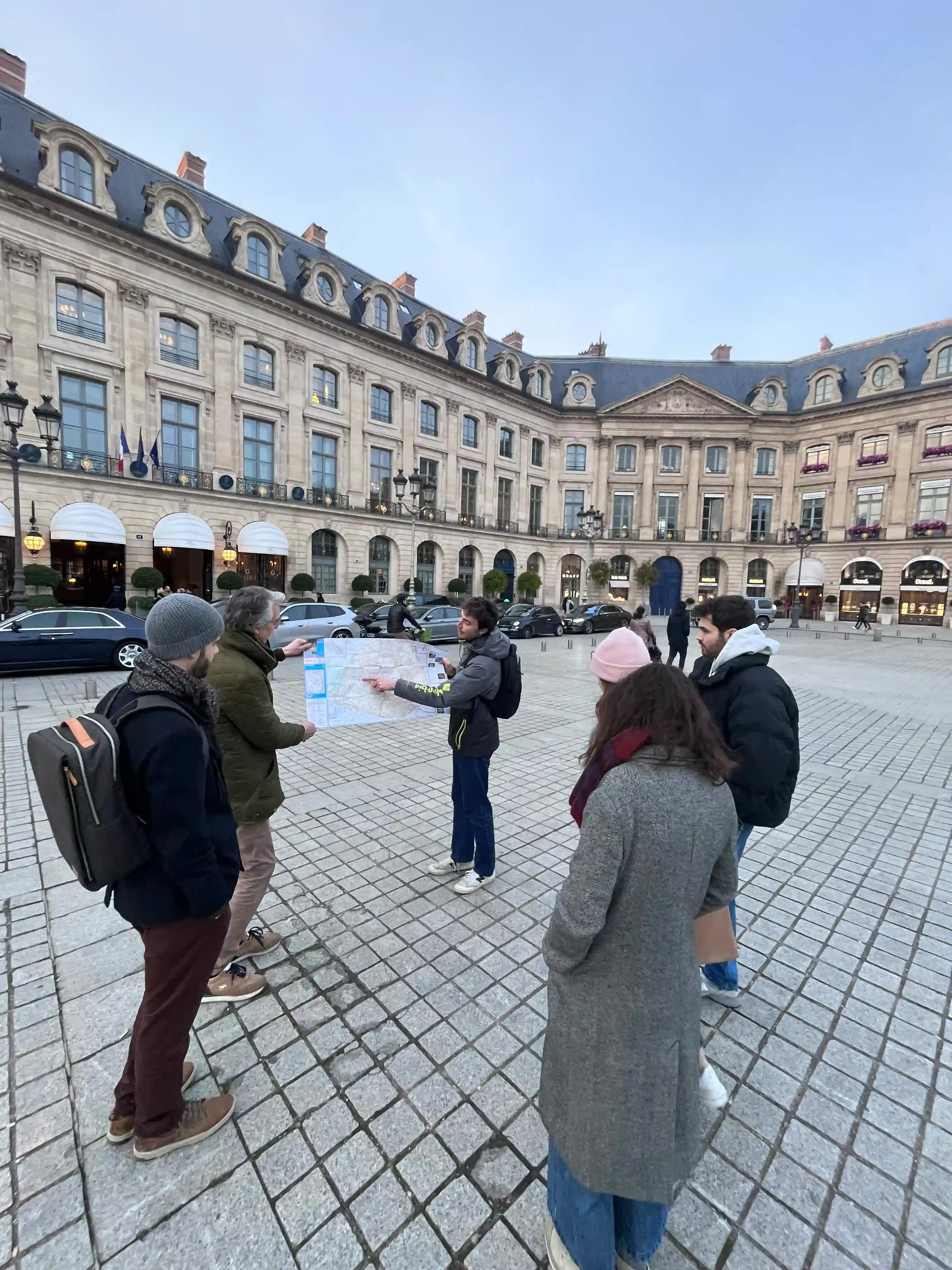
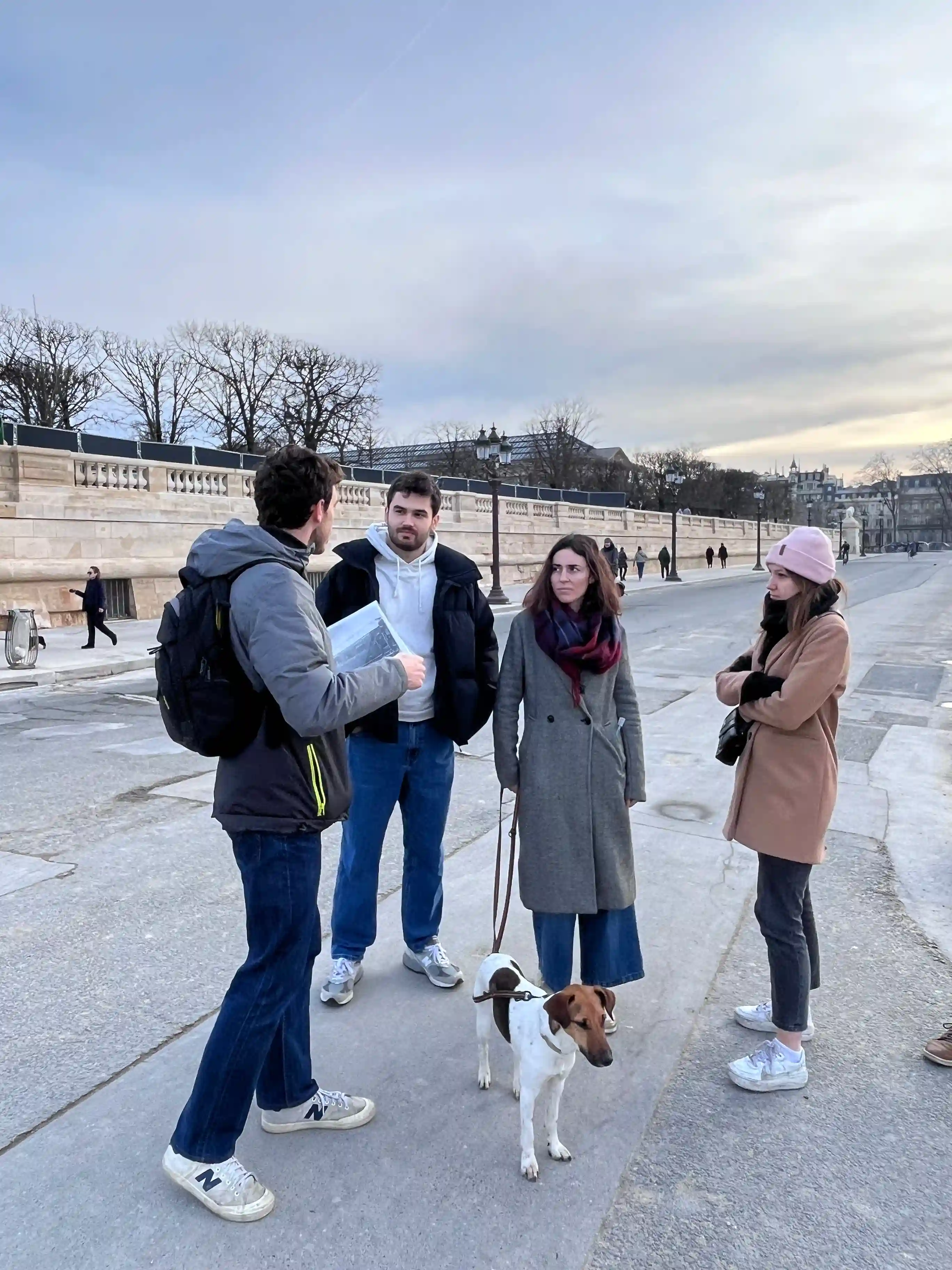
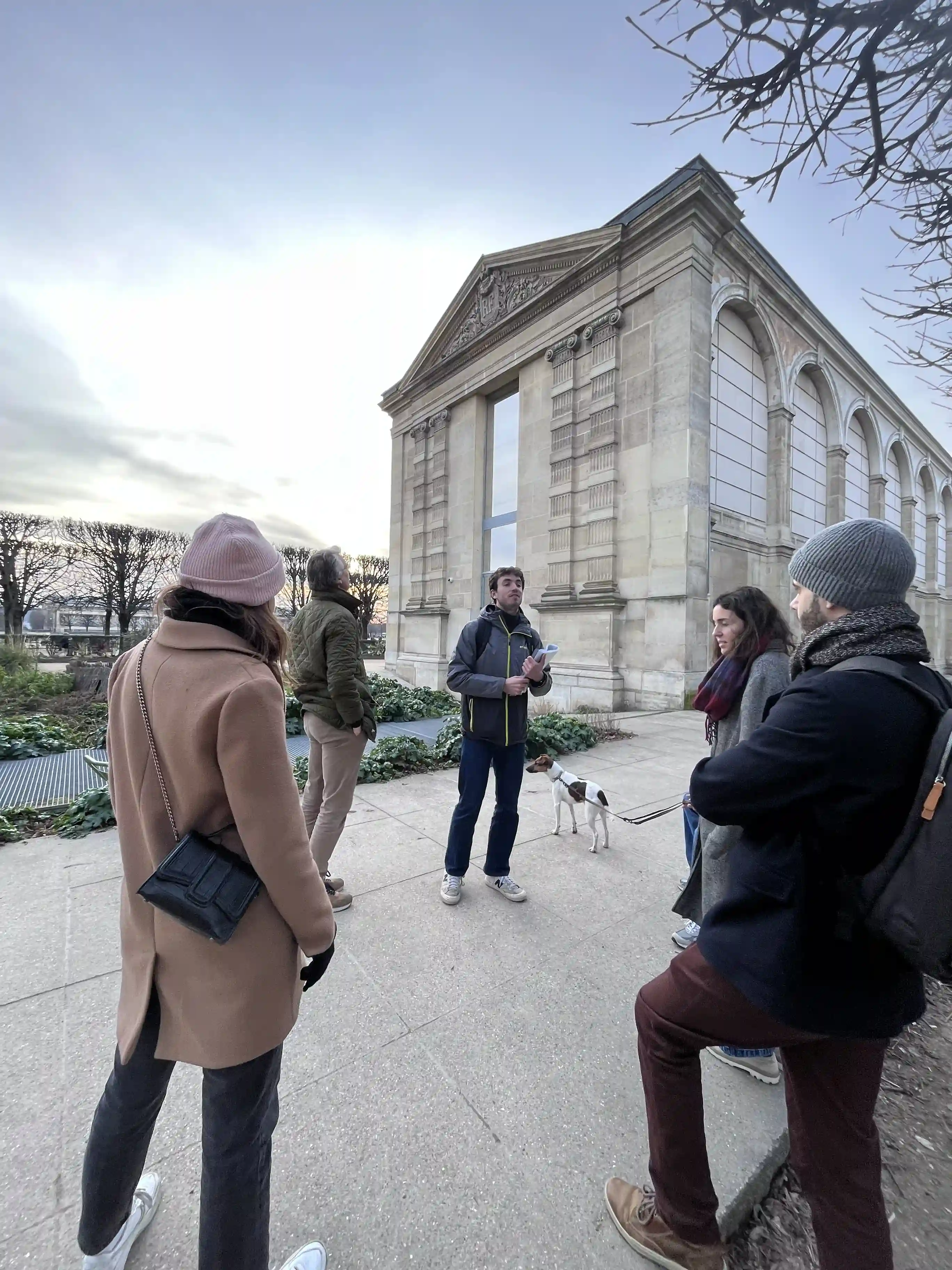
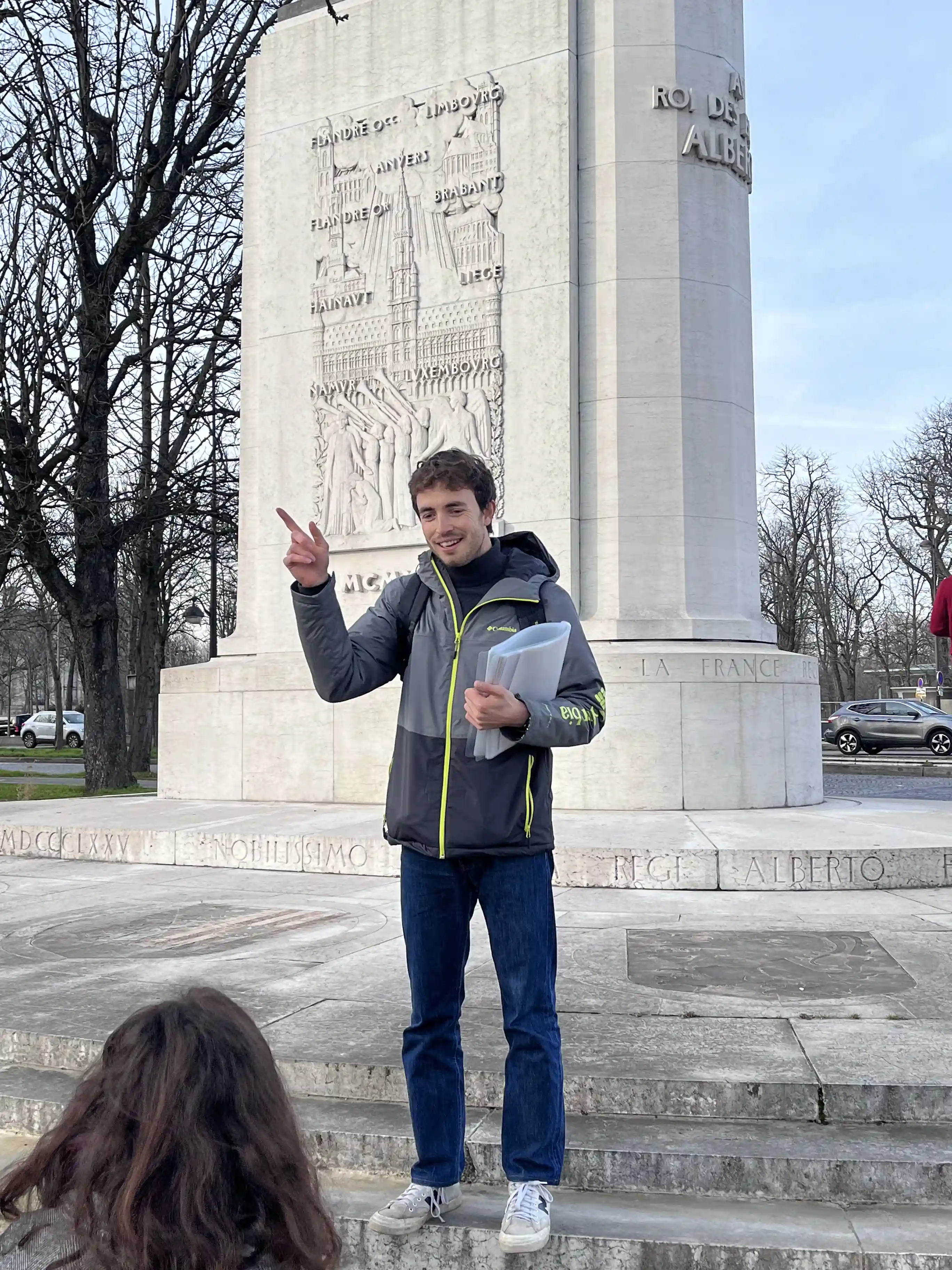
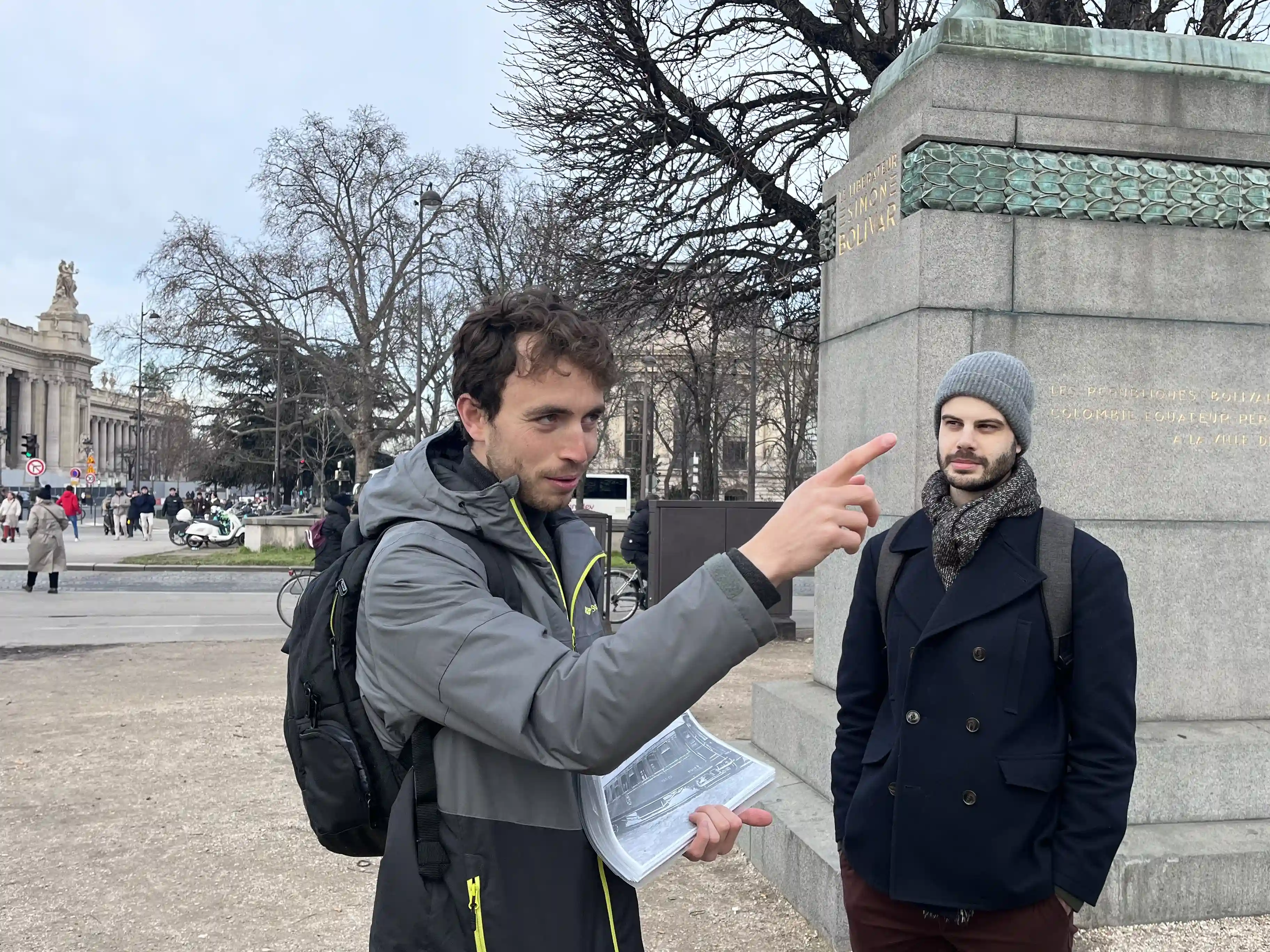
Book this walk
WW2 Right Bank Tour
- From
- 49 €/ person
- Duration
- 2 hours
- Group
- Max 10
- Languages
- English · French
Or book directly
Pick a date, a party size, pay in one step. Bookings confirm within 24 hours.
Also book on 





Questions
Things you might wonder.
How long is the WWII walking tour in Paris?
Each tour lasts approximately 2 hours and covers about 2.5 km with 4 historic stops. The pace is comfortable for all fitness levels.
Are the Paris WWII tours available in French and English?
Yes, all tours are available in both English and French. Choose your preferred language when booking.
What is the difference between the Left Bank and Right Bank tours?
Both tours cover three themes: the Fall of Paris, the Resistance, and the Liberation. The Left Bank tour visits Boulevard Saint-Michel, Luxembourg Gardens, Sorbonne, and Notre-Dame. The Right Bank tour covers Pont Alexandre III, Place de la Concorde, and Place Vendôme. Each tour tells unique stories tied to its locations.
Can I book a private WWII tour of Paris?
Yes, we offer both regular group tours (up to 10 people) and private tours for your group only. Private tours offer more flexibility with dates and times.
Is the tour suitable for children?
The tour is designed for adults and older teenagers interested in history. The content covers wartime events and is presented in an educational, respectful manner.
Where do the tours start and end?
Meeting points are communicated 24 hours before the tour. The Left Bank tour starts near Boulevard Saint-Michel and ends near Notre-Dame. The Right Bank tour starts at Pont Alexandre III and ends at Place Vendôme. The General History tour starts at the Thermes de Cluny and ends at the Tuileries Garden.
What period of history does the General History tour cover?
The General History of Paris tour spans 2,000 years — from the Gallic settlement and Roman conquest of Lutetia (52 BC), through the Viking siege of 885-886, to the French Revolution and the royal escape attempt of 1791. It's 1.5 hours with 3 stops.
How is the General History tour different from your WWII tours?
While our WWII tours focus on 1940-1944 (the Fall, Resistance, and Liberation of Paris), the General History tour spans 2,000 years of Parisian history through three dramatic stories that shaped the city: Roman conquest, Viking siege, and the French Revolution.
What is your cancellation policy?
You can cancel or reschedule your tour free of charge up to 24 hours before the scheduled start time. Cancellations made less than 24 hours in advance are non-refundable. Contact us via WhatsApp or email to make changes.
What should I wear or bring on the tour?
Wear comfortable walking shoes — we cover about 2.5 km on foot. Bring water, sunscreen in summer, or an umbrella if rain is forecast. No special equipment is needed. The tour is entirely outdoors.
Is the tour accessible for people with reduced mobility?
The tours follow paved, flat streets and sidewalks in central Paris. However, some sections may have cobblestones or curbs. If you have specific mobility needs, contact us in advance and we'll adapt the route where possible.
What happens if it rains on the day of my tour?
Tours run rain or shine — Paris history doesn't stop for the weather! In case of severe weather (storms, extreme heat warnings), we'll contact you to reschedule at no extra cost.
What payment methods do you accept?
We accept credit and debit cards (Visa, Mastercard, American Express) through our secure online booking. Cash payment is also possible on-site if arranged in advance.
How many people are in a group tour?
Group tours have a maximum of 10 participants to ensure a personal, engaging experience. Most groups are between 4 and 8 people. Private tours are also available for your group exclusively.
How far in advance should I book?
We recommend booking at least 3–5 days ahead, especially during peak season (April–October). Last-minute bookings are sometimes available — check our calendar or send us a WhatsApp message.