The Parisii, the Gallic tribe who gave Paris its name, minted their own gold coins featuring a stylized head of Apollo on one side and a horse with a net above its head on the other.

Two thousand years · General
General History of Paris
2,000 years of Parisian history in one walk
Did you know
In 52 BC, the Gauls destroyed both bridges connecting the Île de la Cité to prevent the Roman general Labienus from reaching their fortress — but his brilliant overnight river crossing outmaneuvered them.
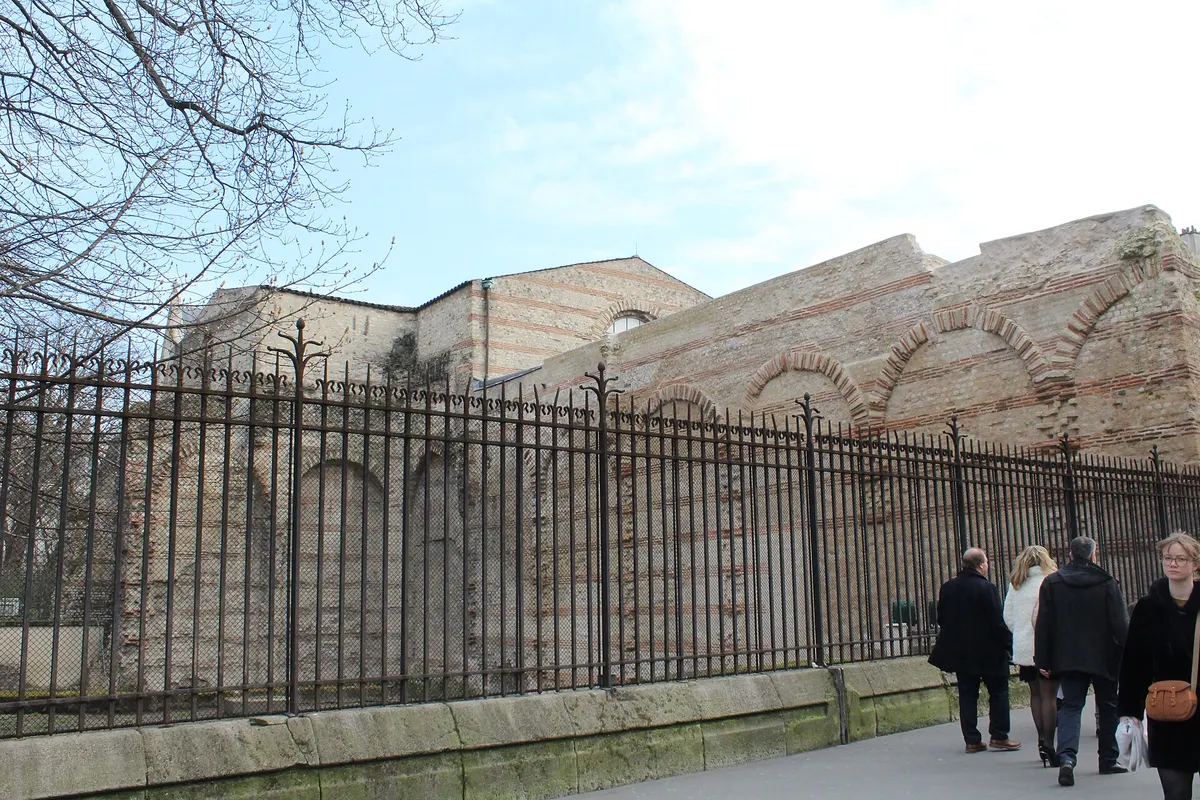
The Roman baths of Cluny, still standing over 13 meters tall near our first stop, were the largest public baths in Roman Lutetia and are among the best-preserved Roman ruins in France.
During the Viking siege of 885-886, the monk Abbon described a fleet of 700 ships covering the Seine — an armada so vast it terrified the 5,000 civilians sheltering on the Île de la Cité.
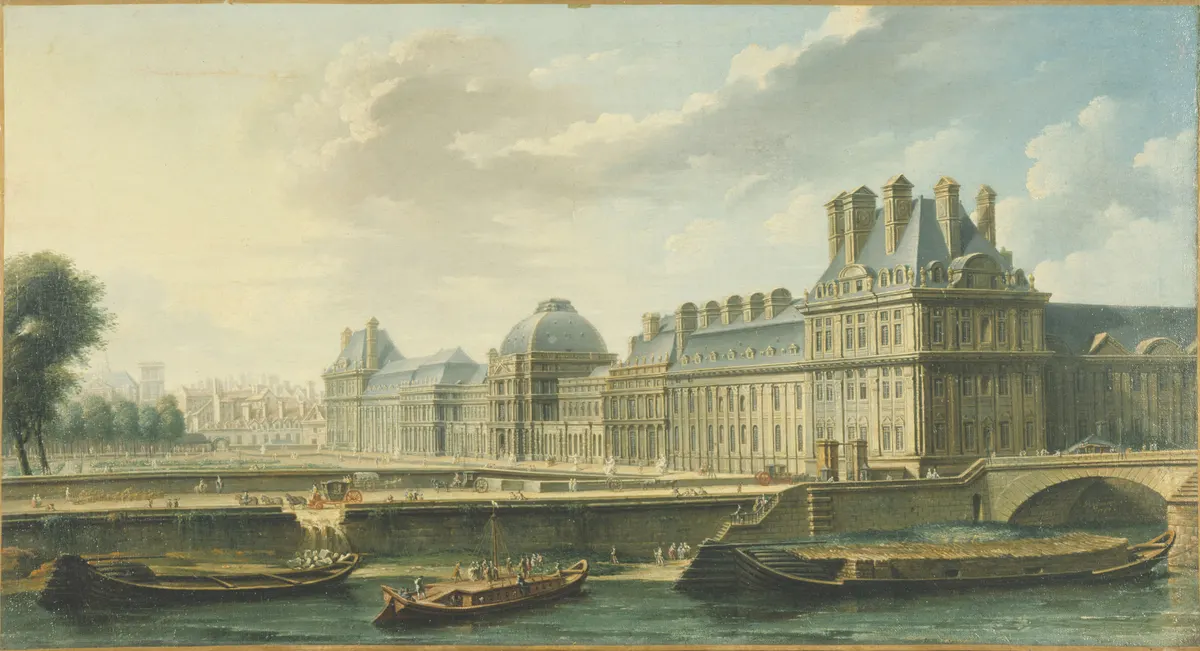
On the night of June 20, 1791, Louis XVI and Marie Antoinette disguised themselves and fled the Tuileries Palace in a large green coach called the berline. They were recognized by a postmaster in the small town of Sainte-Menehould — a blunder that led to their arrest in Varennes and ultimately sealed the fate of the French monarchy.
Three eras, one walk
The Romans · The Middle Ages · The Revolution
Act I · 52 BC — 5th century
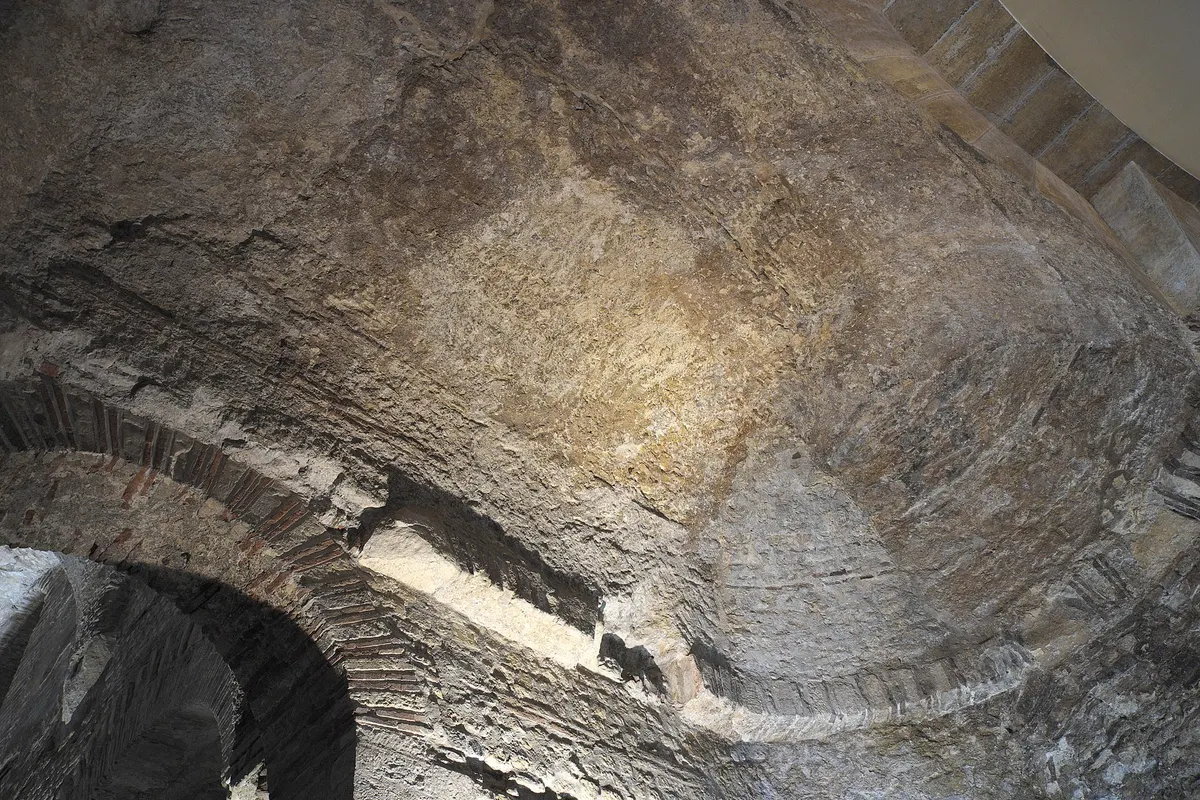
Roman Paris
Discover the origins of Paris as Lutetia, a Gallic settlement conquered by Rome. From the fierce battle of 52 BC to 300 years of Pax Romana, explore how the Romans shaped the city with baths, forums, and theaters.

Act II · 9th — 13th century
Medieval Paris
Experience the dramatic Viking siege of 885-886, when 700 ships carrying 10,000 warriors laid siege to the Île de la Cité. Follow the eyewitness account of the monk Abbon and the heroic defense led by Count Eudes.
Act III · 1789 — 1791
The French Revolution
Relive the night of June 20, 1791, when Louis XVI and Marie Antoinette attempted their daring escape from Paris — a comedy of errors with dramatic consequences that sealed the fate of the French monarchy.
On the ground
Our 3 Historic Stops
Walked in sequence — each stop sets up the next.
-
Roman Paris
Thermes de Cluny — Roman Lutetia
Begin at the imposing Roman baths, still standing after nearly 2,000 years. Here we set the scene: the arrival of the Parisii tribe, their gold coinage, and the dramatic battle of 52 BC where the Roman general Labienus outwitted the Gallic warrior Camulogène with a daring overnight river crossing. Discover how Rome transformed the settlement into a thriving city with forums, theaters, and the road you walked to get here.
-
Medieval Paris
Île de la Cité — The Viking Siege
Standing on the very island where Parisians sheltered during the siege of 885-886, relive the dramatic events through the eyes of the monk Abbon. With only 200 soldiers against 10,000 Vikings, Count Eudes mounted a legendary defense. Experience the heroism, the starvation, and the political betrayal that ended a dynasty and crowned a new king.

-
The French Revolution
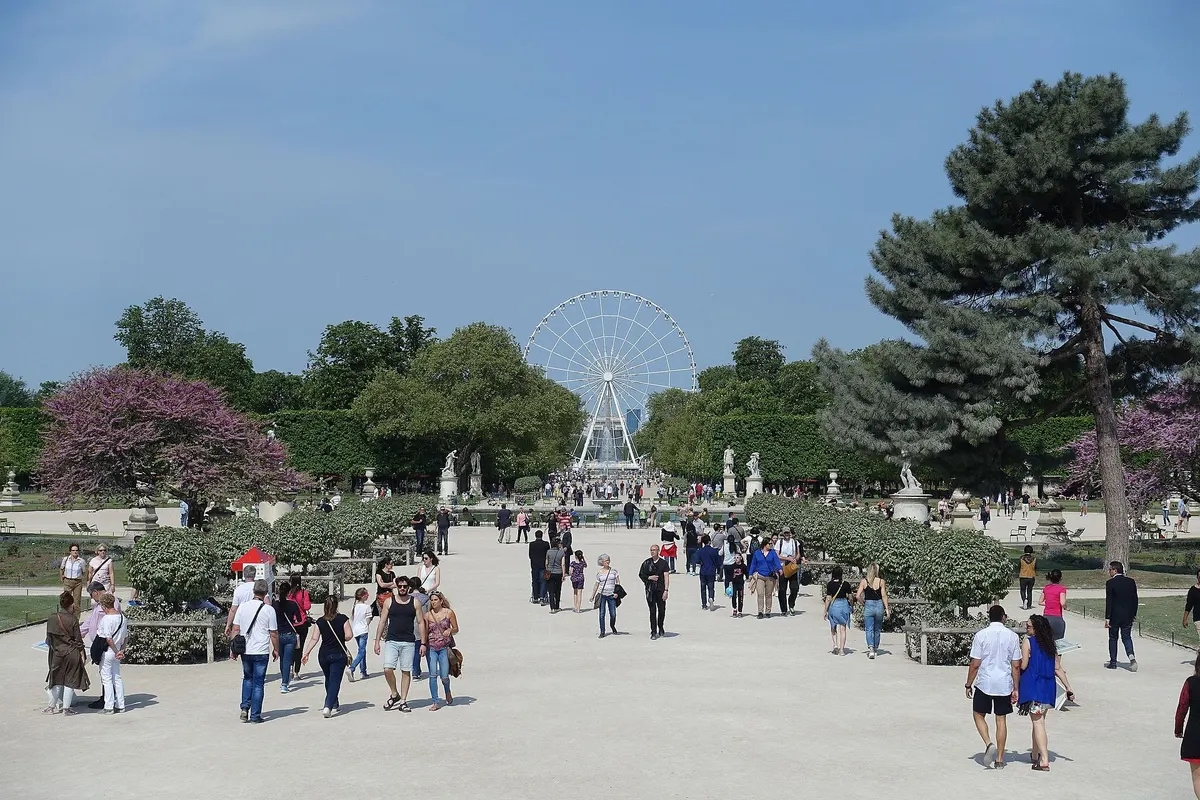
Tuileries Garden — The Flight to Varennes
On the site of the vanished Tuileries Palace, discover the night of June 20, 1791 — when Louis XVI and Marie Antoinette attempted their escape from Revolutionary Paris. A story worthy of a thriller: disguises, near-misses with Lafayette's patrol, a wrong turn in the dark, and a chase through the night that ended in a small-town grocery store.
The walk
See where we walk.
Three stops, an afternoon, two thousand years — all on foot.
General History
2.5 km · 3 stops · 1 h 30
On the ground
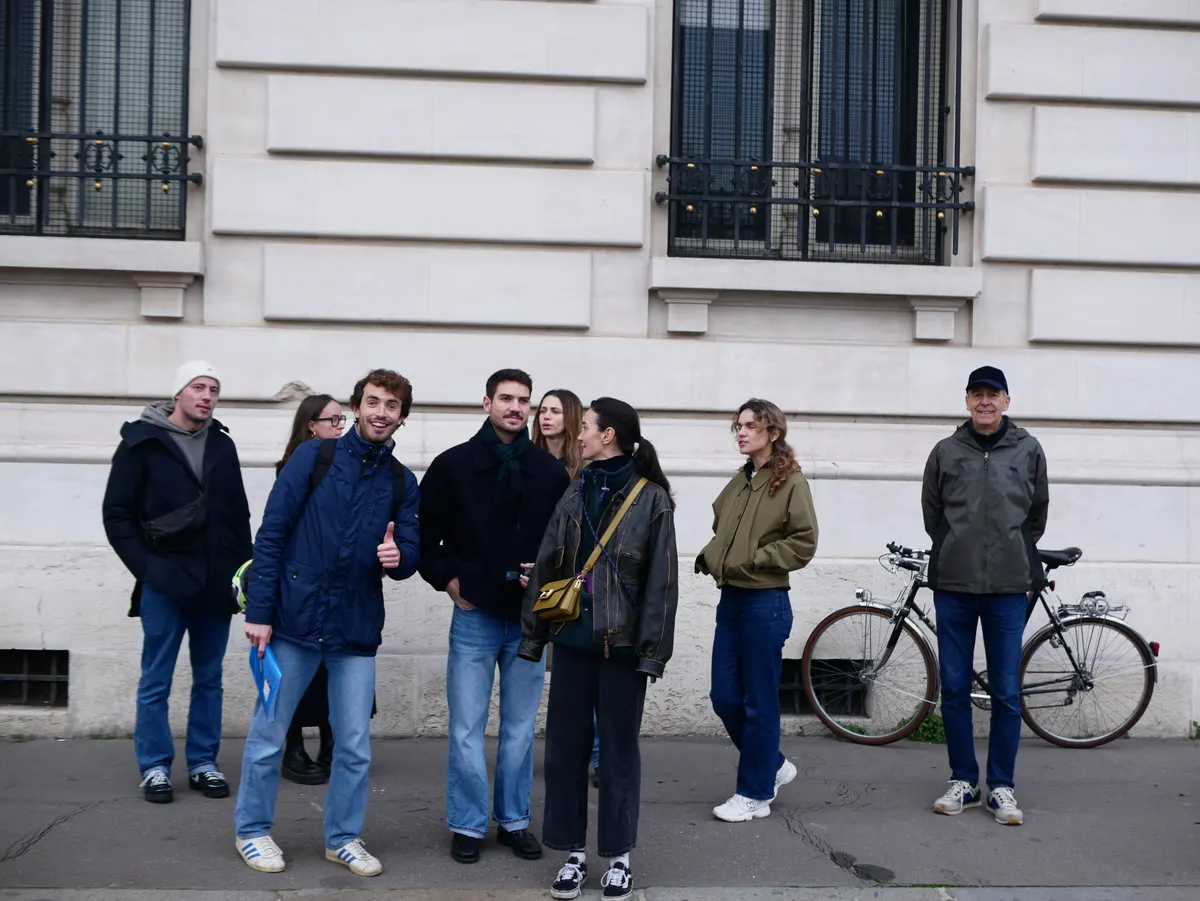
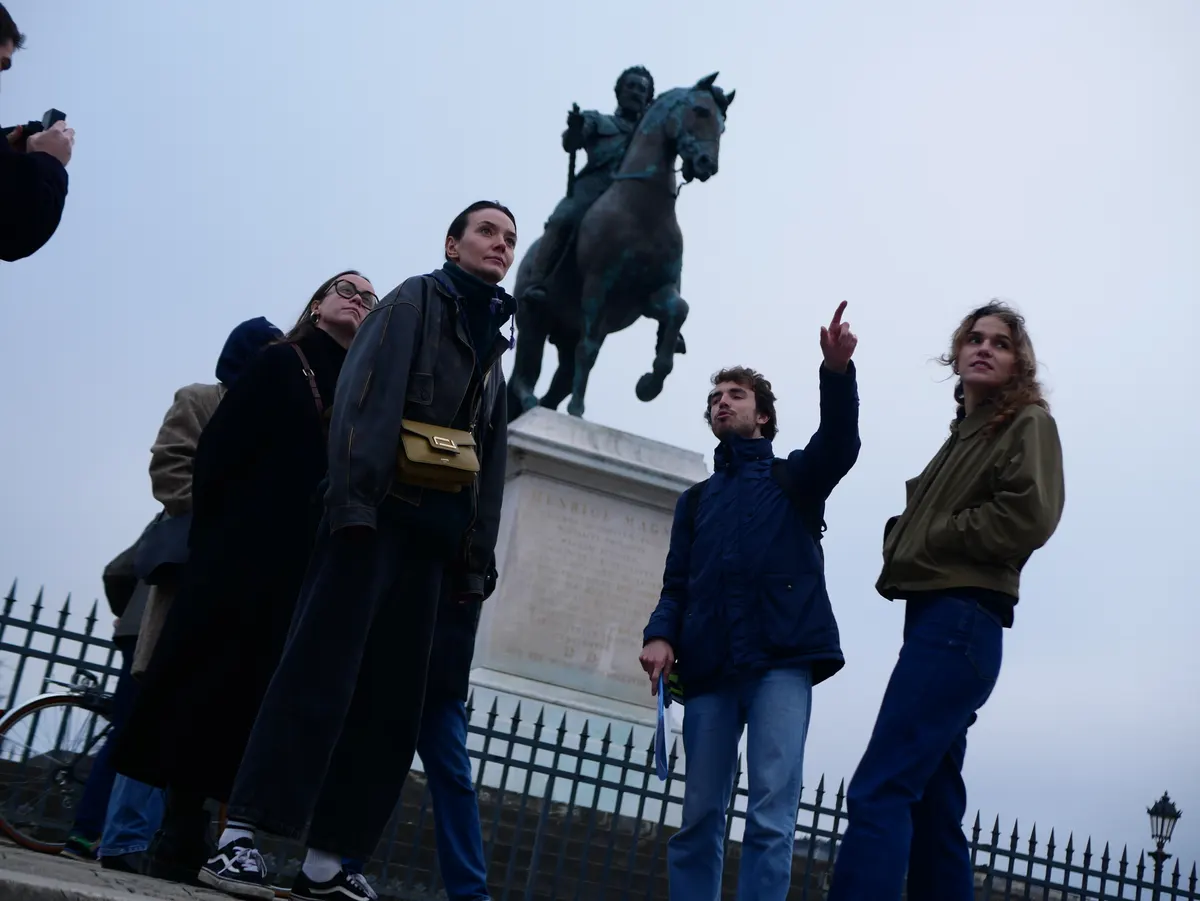
From the tour.






Book this walk
General History of Paris
- From
- 59 €/ person
- Duration
- 1 h 30
- Group
- Max 10
- Languages
- English · French
Or book directly
Pick a date, a party size, pay in one step. Bookings confirm within 24 hours.
Also book on 


More walks
Discover the other tours.


Questions
Things you might wonder.
What does the General History tour cover?
2,000 years of Paris in three dramatic episodes: Roman Lutetia and the battle of 52 BC at the Thermes de Cluny, the Viking siege of 885-886 seen from the Île de la Cité, and the French Revolution with Louis XVI's flight to Varennes told at the Tuileries.
How long is the General History tour?
About 1.5 hours with 3 stops, from the Thermes de Cluny to the Tuileries Garden. The pace is comfortable for all fitness levels.
Do I need to know French history to enjoy the tour?
Not at all. The tour is built as three self-contained stories — a Roman battle, a Viking siege, a royal escape — told so that first-time visitors can follow everything without any prior knowledge.
How much does the General History tour cost?
From €59 per person for the group tour (maximum 10 participants). Private tours are also available.
Is the General History tour a good introduction to Paris?
It's designed exactly for that: an ideal first-day tour that gives you the city's full timeline, so every monument you see afterwards fits into the story. History lovers who want the WWII chapter in depth can continue with our Left Bank and Right Bank tours.