The Quiet Curator Who Outsmarted the Nazis
In the summer of 1940, as German forces occupied Paris, a modest art historian named Rose Valland made a decision that would save thousands of masterpieces from disappearing forever.
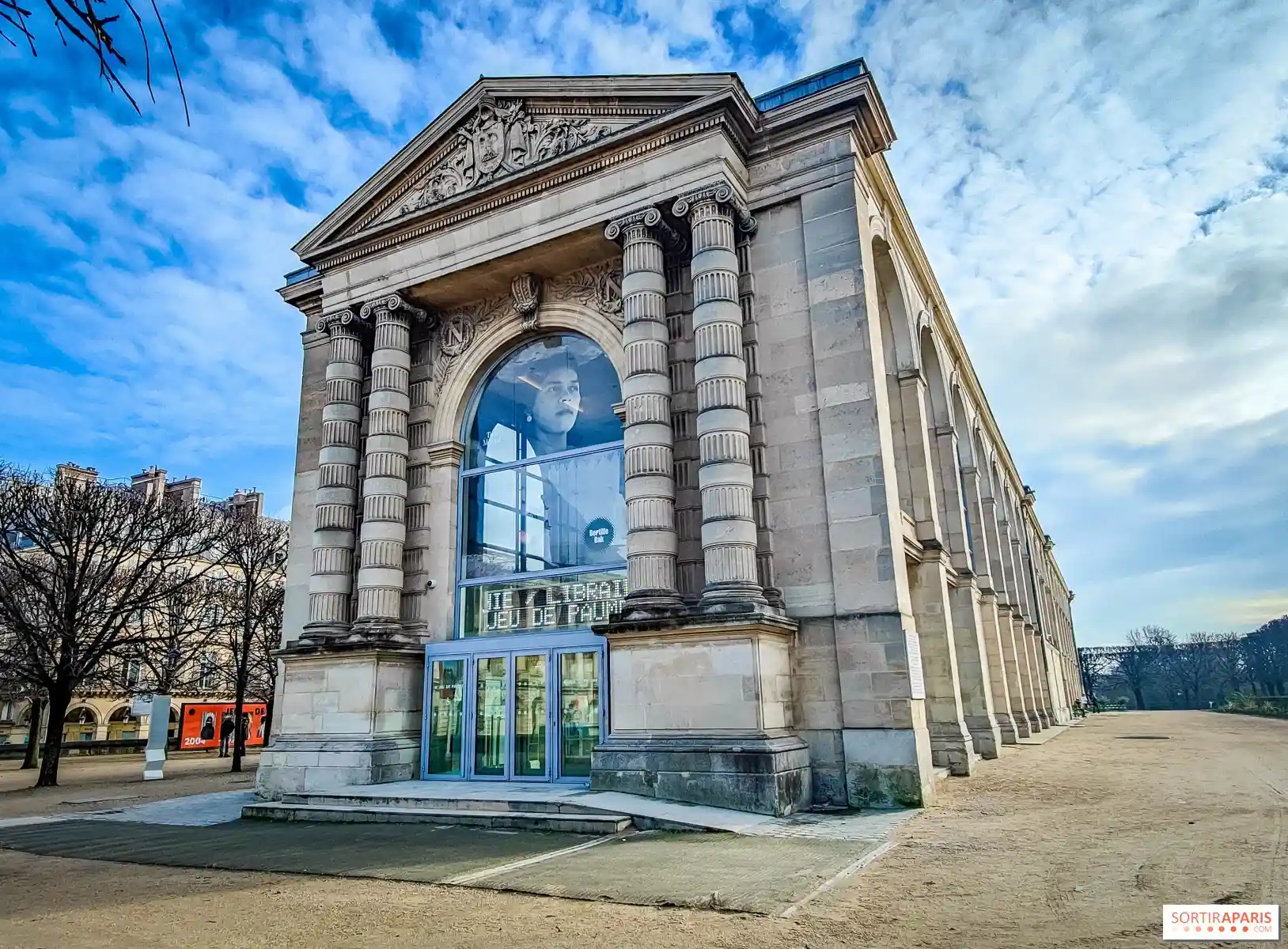
Working as an unpaid volunteer curator at the Musée du Jeu de Paume in the Tuileries Gardens, she had a front-row seat to one of the greatest art thefts in human history — and she chose to fight back, armed with nothing but a pencil and extraordinary courage.
The Jeu de Paume: A Warehouse of Stolen Treasures
The Nazis transformed the Jeu de Paume museum into a central depot for artwork confiscated from Jewish families and dealers across France. Under the direction of the Einsatzstab Reichsleiter Rosenberg (ERR), paintings by Renoir, Vermeer, Rembrandt, and countless other masters passed through the museum’s doors.
Hermann Göring himself visited the Jeu de Paume over 20 times to personally select pieces for his private collection. On a single visit in November 1940, he chose 27 paintings for himself.
The scale was staggering: by the end of the war, the ERR had processed over 20,000 artworks through Paris alone, filling more than 130 railway cars bound for Germany.
Rose Valland’s Secret Mission
What the Germans didn’t realize was that Valland understood German — a fact she carefully concealed.
Day after day, she listened to their conversations, noted which artworks were arriving and departing, and recorded the destinations of each shipment.
She kept meticulous records in secret notebooks:
- Which artworks were being moved
- Where they came from (which family or collection)
- Where they were sent (which depot in Germany or Austria)
- Which train carried them and on which date
This was extraordinarily dangerous work. The ERR’s Paris chief, Baron Kurt von Behr, was known to threaten death to anyone caught spying. Valland later recounted that she lived in constant fear of being discovered and executed.
The Liberation and the Race to Save Art
When the Allies approached Paris in August 1944, the Germans attempted to ship the remaining artworks east.
Valland’s intelligence was crucial: she provided the French Resistance and later the Allied forces with the exact locations of the hidden depots across Germany and Austria.
Her information directly led to the identification of major storage sites:
- Neuschwanstein Castle in Bavaria
- Altaussee salt mine in Austria
- Dozens of other locations across the Reich
Thanks to Valland’s records, the Allies were able to recover thousands of artworks that might otherwise have been lost, destroyed, or disappeared into private collections forever.
A Legacy Recognized Too Late
Rose Valland received the Légion d’honneur, the Medal of the Resistance, and the American Medal of Freedom for her wartime service.
She spent decades after the war working to restitute stolen artworks to their rightful owners.
Yet for most of her life, Valland remained relatively unknown. Her memoir, Le Front de l’Art (1961), received modest attention. It was only in recent decades — through films, books, and a renewed interest in Nazi art theft — that her extraordinary contribution became widely recognized.
The 2014 film The Monuments Men, while focused on the American unit tasked with protecting art during the war, brought renewed attention to the broader effort in which Valland played a central role.
Discover Rose Valland’s Story in Person
Rose Valland’s story is one of the central narratives of our Right Bank WWII Tour. At our Concorde Square stop, we explore her mission in detail — standing near the very museum where she carried out her dangerous work.
The tour covers the Jeu de Paume’s transformation into a Nazi storage facility, Göring’s personal visits, and Valland’s extraordinary act of resistance through meticulous record-keeping.
Walk in their footsteps — Book a WWII tour in Paris.