The Day Paris Shut Its Doors
On September 2, 1939, Parisians descended into the metro as they did every morning. But that day, some platforms stood empty. No crowds, no trains. Shutters pulled down, an unusually heavy silence. The day before, France had declared general mobilization. And the CMP — the predecessor of today’s RATP — made a radical decision: close dozens of stations at once, deemed too close together, to free up staff being sent to the front.
Among them: Croix-Rouge on Line 10, Saint-Martin on Lines 8 and 9, Arsenal on Line 5. Most Parisians have never heard these names. And for good reason — after the war, they were never reopened.
The Paris metro, designed during the Belle Époque with an almost absurd station density — one every 500 meters on average — could afford a few amputations. Passengers would walk a bit further. The temporary became permanent. And these stations entered a second life: as ghosts.
Croix-Rouge, the Sleeping Beauty
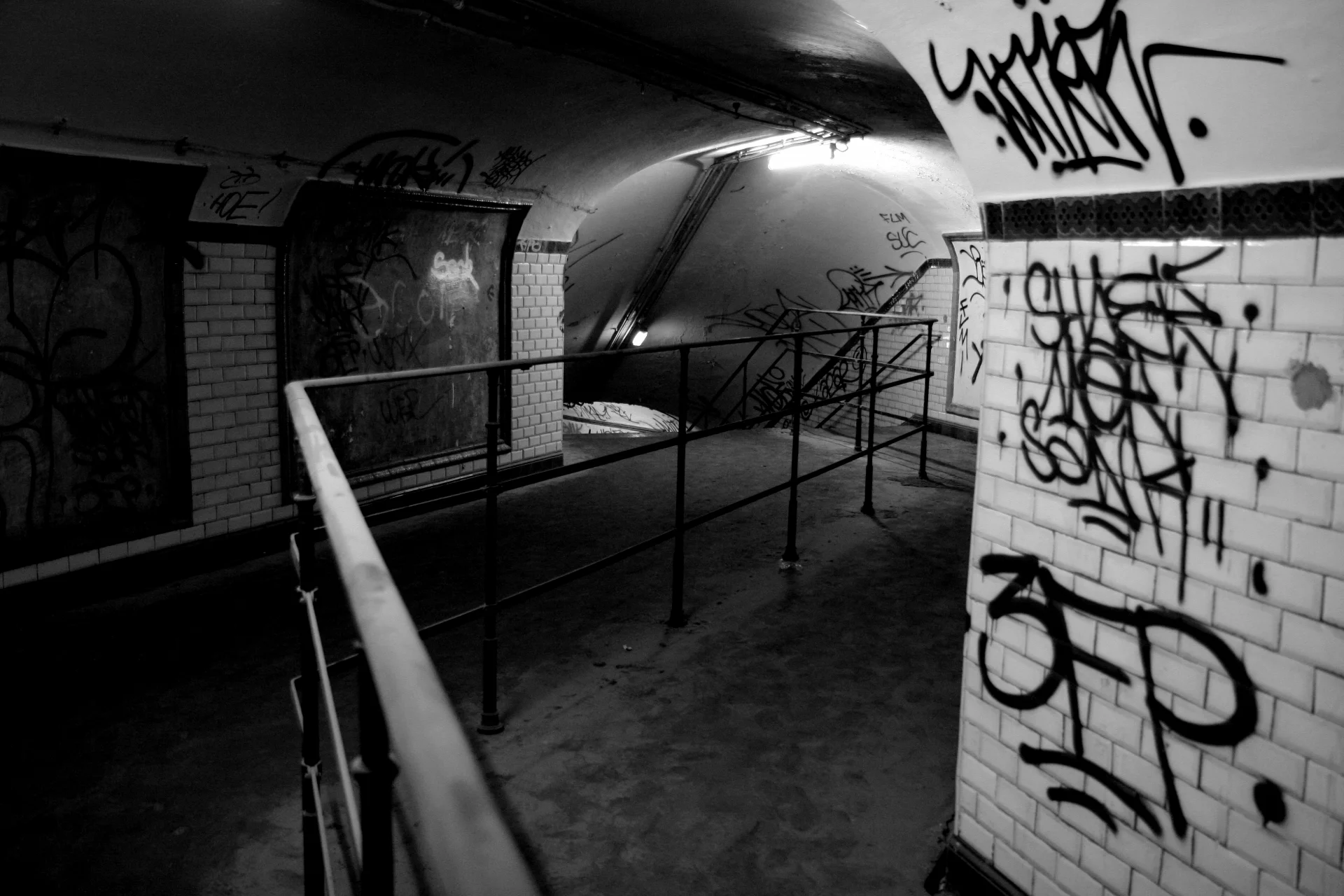
If you ride Line 10 between Sèvres-Babylone and Mabillon, look out the window at the right moment. For three seconds, the carriage lights illuminate an intact platform, frozen in time. The beveled white tiles are still there. The station name, in blue faïence letters, is still legible. The clock has stopped. It’s like passing through a hole in time at 40 km/h.
Croix-Rouge is arguably the most photogenic of the ghost stations. It sits beneath the Croix-Rouge crossroads, at the intersection of Rue de Sèvres and Rue du Cherche-Midi, in the heart of the 6th arrondissement. Above: café terraces and fashion boutiques. Below: silence for 87 years.
In 2007, artist Gaël Darras installed a temporary art piece evoking a Normandy beach — deck chairs, sand, parasols on a ghost platform. Line 10 passengers caught glimpses of this surreal scene from their carriages. Then Croix-Rouge returned to oblivion.
A ghost station is a piece of the city that continues to exist without anyone knowing. It’s the exact opposite of a ruin: everything is intact, it’s just that the world has moved on.
Saint-Martin and the Shadows of Occupation
Saint-Martin tells a darker story. Closed the same day as the others in 1939, its corridors served as a refuge during the Occupation — not an official air-raid shelter, but an informal retreat for families with nowhere else to go.
After the Liberation, the RATP considered reopening it. But the platforms had become too short for modern trains, and widening them would have cost a fortune for a station nobody was asking for.
In the 1990s, it was converted into an emergency homeless shelter run by the Salvation Army. The old platforms held camp beds. The corridors became a dining hall. It may be the most poignant use ever made of a transport hub: a place designed for perpetual movement, transformed into a refuge for those the city had stopped seeing.
If you ride Line 9 between Strasbourg-Saint-Denis and République, Saint-Martin’s platform is still visible — 1950s advertising posters included, frozen under a layer of dust.
Haxo, the Station Where No One Ever Boarded
Some ghost stations were never open to begin with. Haxo is one of them. Built in the 1920s in northeast Paris, between Lines 3bis and 7bis, it was meant to serve as a connection point if the two lines were ever merged.
The merger never happened. The station was fully built — platforms, tiling, signage — but never connected to any surface exit. No staircase, no corridor leads to the street. The only way in is through the tracks.
Haxo has become a Parisian urban legend. The RATP organizes rare visits during the Journées du Patrimoine (Heritage Days), but spots fill up within minutes. The paradox of Haxo: a complete, functional station, ready to receive passengers — but cut off from the world by the absence of a single staircase.
Arsenal, Champ de Mars, Porte Molitor
The list goes on. Arsenal, between Bastille and Quai de la Rapée on Line 5, follows the same pattern: closed in ‘39, never reopened.
Champ de Mars, on Line 8, was functionally replaced by La Motte-Picquet — Grenelle. It was named after the nearby military grounds — the same field where Gustave Eiffel planted his tower. They kept the tower. They forgot the station.
And then there’s Porte Molitor, in the 16th arrondissement, on Line 9. Closed in 1939, it sits right next to Roland-Garros stadium. For two weeks every year, hundreds of thousands of tennis fans walk above an abandoned platform without knowing it. Tennis above, silence below.
What the Ghosts Tell Us
What’s fascinating about ghost stations isn’t so much that they exist, but what they reveal about Paris’s relationship with its own past. This city that turns everything into a museum, that landmarked the smallest Haussmann balcony — this same city has let dozens of perfectly preserved underground spaces gather dust.
Ghost stations are inconvenient witnesses. They remind us that the city was designed for a world that no longer exists — before the car, before the RER, before the suburbs. A Paris where people walked everywhere, where 500 meters between two stations seemed a reasonable distance.
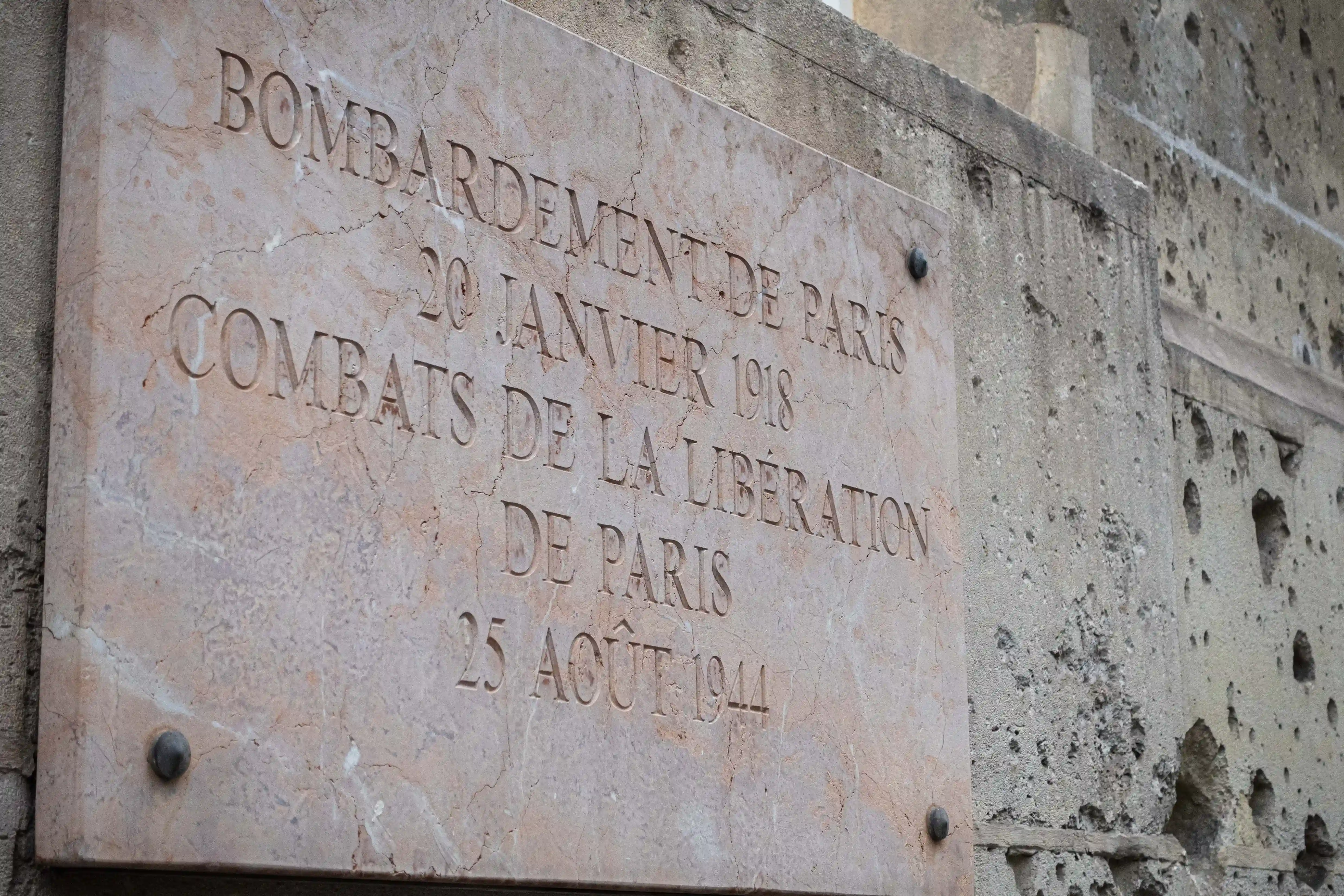
They also remind us that the war left invisible scars. Not shell holes in the facades — Paris was relatively spared — but functional voids, quiet amputations in the urban fabric. The war didn’t destroy these stations. It simply made them useless. And no one saw fit to revive them.
Paris is a city that lives on the surface and forgets underground. Ghost stations are proof that even in the most documented city in the world, there are still blind spots.
See Them With Your Own Eyes
Next time you ride the metro, try this. On Line 10, count the seconds between Sèvres-Babylone and Mabillon. Halfway through the tunnel, press your face to the glass. You might catch the Croix-Rouge platform — white tiles, a name in blue letters, a stopped clock.
It’s a fragment of Paris that still exists, intact, six meters beneath your feet. A place where no one waits for the train anymore. A place that decided, nearly a century ago, that time no longer needed to pass.
Explore Hidden WWII Paris
Ghost stations are just one chapter of Paris’s underground wartime story. Improvised shelters, resistance networks, forgotten memorials — the city holds invisible layers of history beneath the surface.
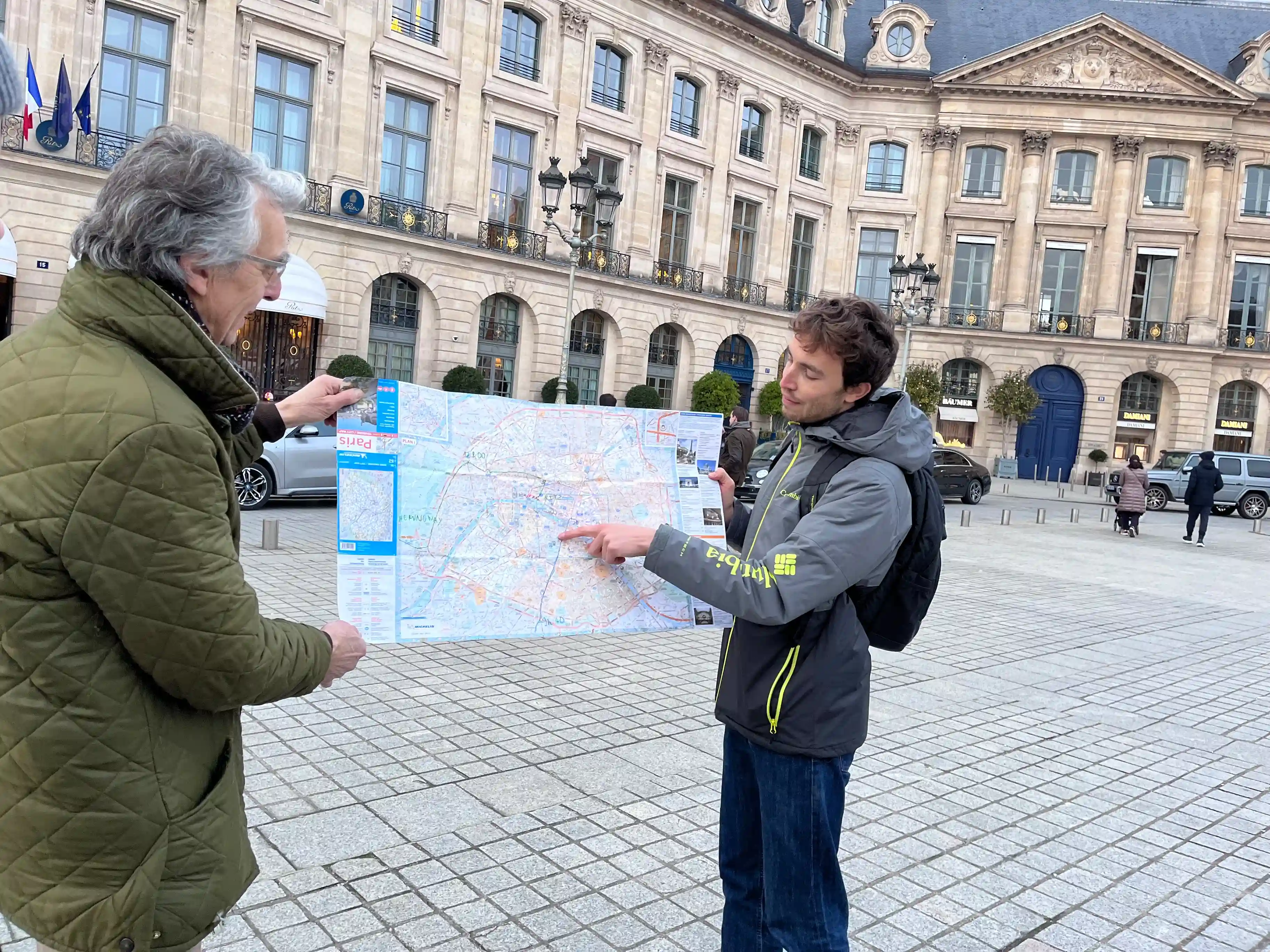
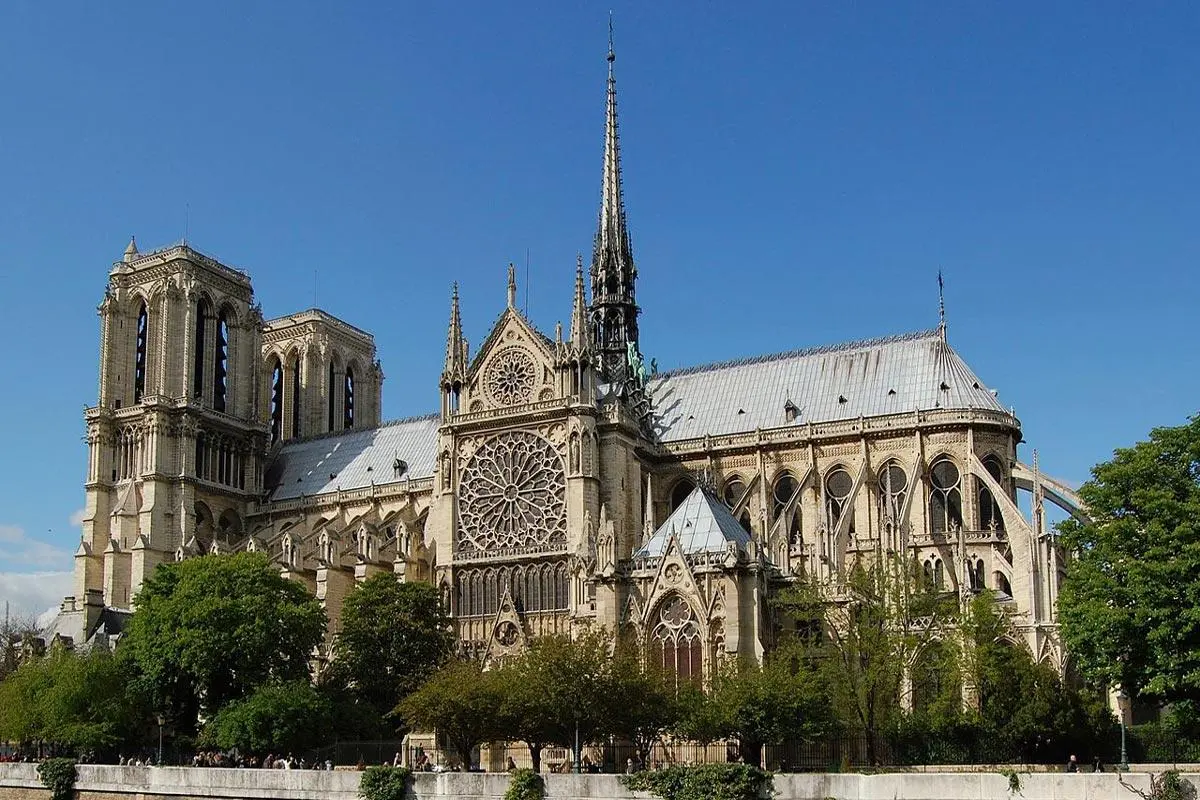
Our WWII walking tours in Paris take you through the traces of this history, from the Latin Quarter to Notre-Dame, through sites shaped by the Occupation and the Liberation.
Walk in the footsteps of history — Book a WWII tour in Paris.