There Is No Wrong Time — But There Is a Best Time
People ask me this question more than any other: “When should I come to Paris?” After years of guiding WWII walking tours through the Left Bank and Right Bank, my honest answer is that every season has something to offer. But depending on what matters most to you — comfortable walking weather, thin crowds, or witnessing a powerful commemoration — some months are clearly better than others.
Here is what I have learned from leading tours year-round through the streets where the Resistance fought, where the Occupation left its marks, and where Liberation finally arrived.
Spring: The Sweet Spot (April — June)
If I had to pick one season, it would be spring. The weather is mild — typically 12 to 20 degrees Celsius — and the days are long enough to walk for three hours without rushing. The Luxembourg Gardens are in full bloom, which makes the stop near the Medici Fountain particularly striking. The light in April and May is soft and clear, ideal for seeing architectural details on buildings along Boulevard Saint-Michel or the facades around the Sorbonne.
Crowds
Spring sees rising tourist numbers, but April and early May are still manageable. The real surge begins in late May and accelerates through June. If you visit in the first half of spring, you will find shorter queues at the Pantheon, easier access to the Memorial de la Shoah, and quieter streets in the Latin Quarter.
Key Commemoration: VE Day — May 8
Victory in Europe Day is commemorated every year on May 8 with ceremonies at the Arc de Triomphe and across the city. Flags line the Champs-Elysees. Veterans’ associations gather at key monuments. The atmosphere is solemn and moving. If your trip coincides with this date, I strongly recommend attending the morning ceremony — it adds an emotional dimension that no museum can replicate.
Expert Tip
Book a morning tour in spring. By 10 AM, the streets are alive but not yet crowded, and the temperature is perfect for walking. Afternoons can occasionally bring rain, so mornings give you the best conditions.
Summer: Iconic but Intense (July — August)
Summer is when most visitors come to Paris, and for good reason — the city is spectacular under long daylight hours, with sunset not arriving until nearly 10 PM in late June. But summer also brings challenges for walking tours: heat, crowds, and occasional closures.
July temperatures regularly exceed 30 degrees Celsius, and August can be hotter still. Walking for two to three hours in direct sun along Place Vendome or across the bridges of the Seine requires preparation — water, sunscreen, a hat. I always carry extra water for my guests during summer tours.
Crowds
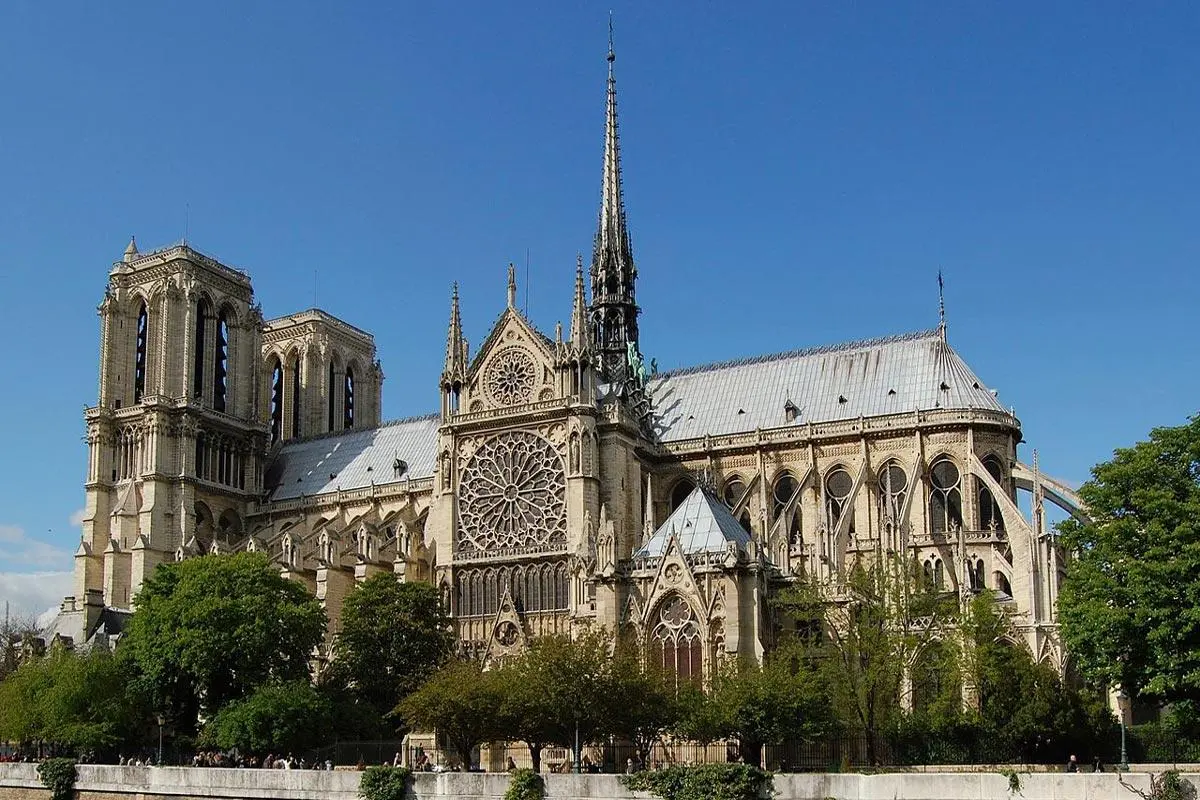
July is the busiest month in Paris. The area around Notre-Dame (still undergoing its remarkable restoration) is packed, and the streets near the Pantheon fill with tour groups by mid-morning. August offers a paradox: international tourism remains high, but many Parisians leave the city, which thins out neighborhood streets and opens up restaurant reservations.
Key Commemoration: Liberation of Paris — August 25
This is the most significant date on the calendar for anyone interested in WWII Paris. August 25 marks the day General Leclerc’s 2nd Armored Division entered Paris in 1944, ending four years of German occupation. Ceremonies take place at the Prefecture de Police, the Hotel de Ville, and along the route Leclerc’s tanks followed into the city.
I have attended every Liberation commemoration since I started guiding, and the atmosphere is extraordinary. Veterans’ families, historians, reenactors, and ordinary Parisians gather to remember. If you can be in Paris on August 25, do it. The heat is worth it.
D-Day: June 6
While the main D-Day commemorations take place in Normandy, Paris marks the anniversary as well. The Musee de l’Ordre de la Liberation at Les Invalides often holds special events, and it is a powerful place to visit around this date. The museum tells the story of the Companions of the Liberation — the men and women de Gaulle honored for exceptional service to Free France.
Expert Tip
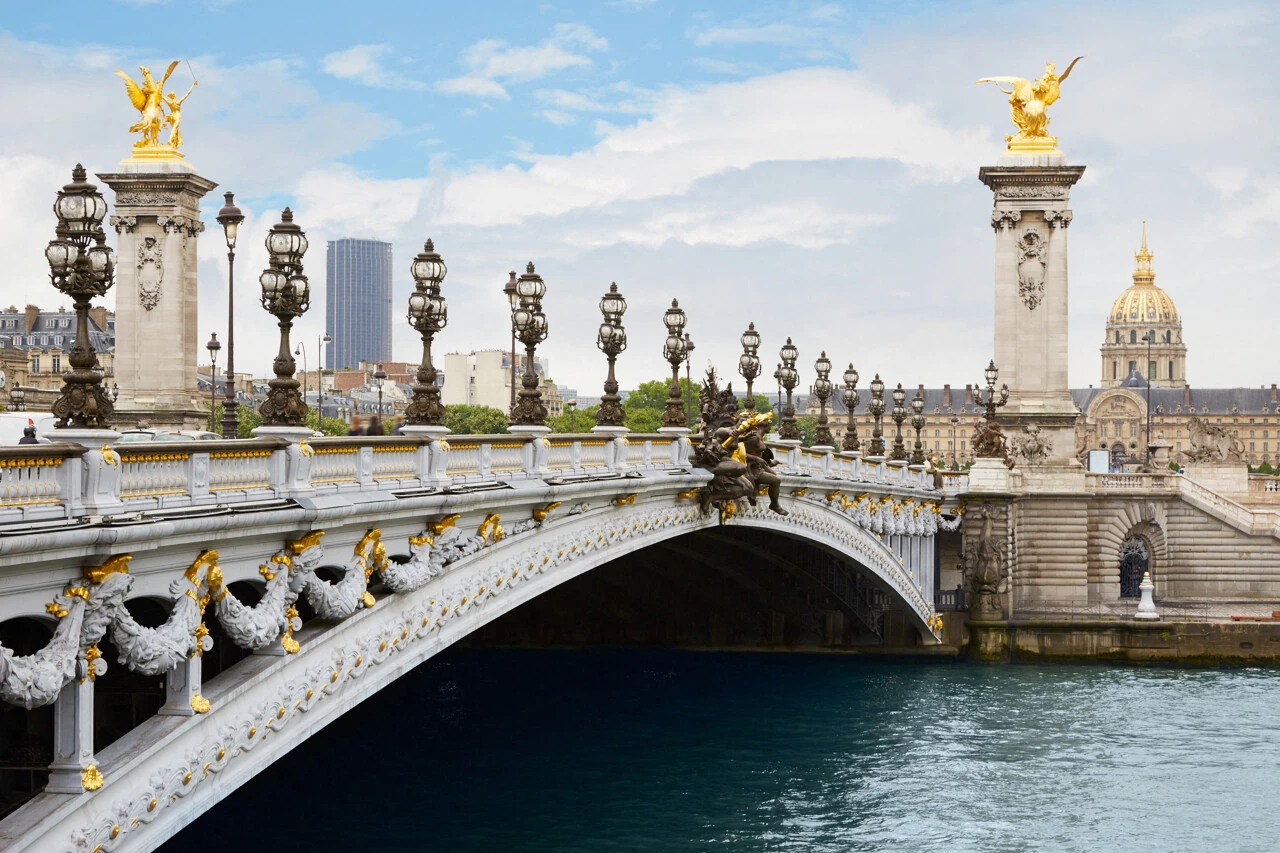
In summer, I schedule tours either early morning (starting at 9 AM) or late afternoon (starting at 5 PM). Midday heat makes walking unpleasant and reduces concentration. The golden hour light of a summer evening on Pont Alexandre III is worth the wait.
Autumn: The Connoisseur’s Choice (September — November)
If spring is the sweet spot, autumn is the connoisseur’s secret. September weather is often better than June — warm days, cool evenings, and a clarity to the light that photographers love. October brings the famous Parisian autumn palette: chestnut trees turning gold along the Seine, fallen leaves in the Luxembourg Gardens, a crispness in the air that makes walking a pleasure.
Crowds
Tourist numbers drop sharply after mid-September. By October, you will find the Pantheon nearly empty on weekday mornings. The Memorial de la Shoah, which can have queues in summer, is calm and contemplative — exactly as it should be. This is when I do some of my best work as a guide, because the smaller group sizes and quiet streets allow for deeper conversations.
Key Commemoration: Armistice Day — November 11
November 11 marks the end of World War I, but the commemorations at the Arc de Triomphe and the Tomb of the Unknown Soldier resonate across both world wars. The ceremony is one of the most solemn in the French calendar. The President of the Republic lays a wreath, and a minute of silence blankets the city.
For WWII-focused visitors, November 11 is also an opportunity to visit Mont-Valerien, the fortress on the western edge of Paris where over 1,000 Resistance fighters and hostages were executed by the Germans between 1941 and 1944. The memorial there holds a special ceremony each November 11. It is one of the most powerful sites connected to the Occupation, and I consider it essential for anyone who wants to understand the full weight of what happened.
Expert Tip
October is my personal favorite month to guide. The temperature hovers around 12 to 16 degrees — ideal for walking. The autumn light turns the sandstone of the Sorbonne and the ironwork of Pont Alexandre III into something almost cinematic. And you will not fight crowds at any point.
Winter: Quiet, Atmospheric, and Underrated (December — March)
Winter in Paris has a reputation problem. People assume it is miserable — cold, grey, rainy. The reality is more nuanced. December and January do bring short days and temperatures between 2 and 8 degrees, but Paris in winter has an intimacy that the other seasons cannot match.
The streets around Place Vendome glow under holiday lighting in December. The Seine reflects a low winter sky. The interior sections of my tours — time spent inside the Pantheon, or pausing in a covered passage — become highlights rather than transitions.
Crowds
Winter is the quietest season. Museum queues are minimal. You will have the Memorial de la Shoah almost to yourself. The Musee de l’Ordre de la Liberation is unhurried. For visitors who value depth over spectacle, winter is ideal.
Practical Considerations
Walking tours in winter require warm layers, waterproof shoes, and flexibility. I occasionally adjust routes to include more sheltered stops when rain is heavy. Days are short — sunset comes before 5 PM in December — so morning tours are essential to make the most of daylight.
There are no major WWII commemorations in winter, but that also means no ceremony-related closures or crowds. You get the city in its most honest state.
Expert Tip
A winter tour followed by a hot chocolate in a historic cafe is one of the best experiences I offer. The contrast between the cold streets and a warm interior mirrors something about wartime Paris itself — the tension between the harshness outside and the small comforts people fought to preserve.
Practical Tips for Planning Your Visit
Museum hours: Most WWII-related museums in Paris are open year-round, but hours vary by season. The Pantheon closes one hour earlier in winter (October to March). The Memorial de la Shoah is closed on Saturdays. Always check current hours before your visit.
Booking tours: I run tours year-round, but spring and early autumn fill up fastest. If you want a specific date, book at least two to three weeks in advance during April-June and September-October. Winter and late summer tend to have more availability.
What to wear: Every season demands comfortable walking shoes — my tours cover 4 to 6 kilometers on foot. In spring and autumn, bring a light jacket. In summer, sun protection is essential. In winter, layer up and bring a scarf.
Rain plan: Paris gets light rain throughout the year, and a light drizzle rarely stops a tour. I carry on in anything short of a downpour. The city actually looks beautiful in soft rain — and some of the most memorable tours I have led happened under grey skies.
When Will You Walk Through History?
There is no bad time to explore WWII Paris. But if you are asking me — and you are, that is why you are reading this — I would say late April, early October, or the week of August 25. Those are the three windows where weather, crowds, and historical atmosphere align most powerfully.
Whatever season you choose, I will be here, ready to walk you through the streets where history happened. Book your private WWII walking tour and let Paris tell you its story.