When Resistance Was Unthinkable
In the autumn of 1940, France was a nation in shock. The German army had conquered the country in just six weeks. Marshal Pétain had signed an armistice. Paris was under occupation, with German soldiers marching down the Champs-Élysées and swastika flags hanging from public buildings.
For most French people, the idea of resistance seemed not just dangerous but pointless. The war appeared to be over. Germany had won.
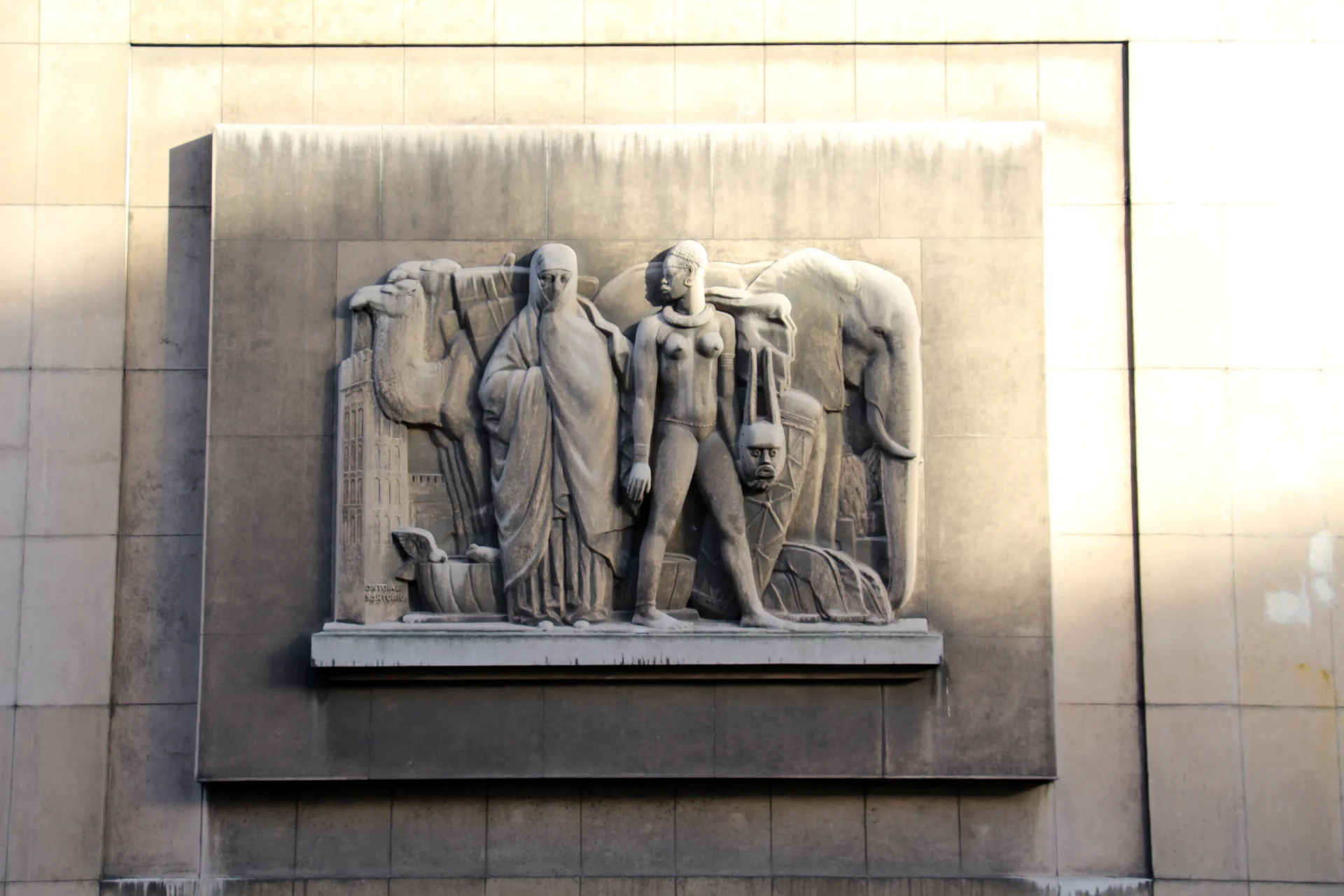
Yet a handful of individuals refused to accept defeat. Among them was Agnès Humbert, an art historian at the Musée de l’Homme — the Museum of Mankind — on the Trocadéro hill in Paris.
The Birth of a Network
Humbert was 45 years old when Paris fell. An intellectual, a feminist, and a passionate patriot, she was horrified by the occupation and determined to act.
In the weeks following the armistice, she began meeting with colleagues from the Musée de l’Homme and other like-minded Parisians. The group included:
- Boris Vildé, a Russian-born linguist and ethnographer at the museum
- Anatole Lewitsky, another ethnographer of Russian origin
- Yvonne Oddon, the museum’s librarian
- Paul Rivet, the museum’s director, who gave his tacit blessing
Together, they formed what became known as the Musée de l’Homme network — one of the very first organized resistance groups in occupied France.
What They Did
The network’s activities were bold for their time, when any form of opposition could mean death:
Clandestine newspaper: The group produced and distributed Résistance, one of the earliest underground newspapers in occupied France. First published on December 15, 1940, it carried news from BBC broadcasts, patriotic appeals, and calls to resist the occupation.
Intelligence gathering: Members collected military information about German troop movements, fortifications, and logistics, passing it to Free French and British intelligence contacts.
Escape networks: The group helped Allied soldiers, escaped prisoners of war, and others sought by the Germans to cross into the unoccupied zone or leave France entirely.
Recruitment: From its base at the Musée de l’Homme, the network expanded to include academics, students, and professionals across Paris and beyond.
The Diary
What makes Humbert’s story particularly vivid is that she kept a detailed diary throughout this period. Published decades later as Notre Guerre (Resistance: A Frenchwoman’s Journal of the War, in the English edition), it provides a rare first-person account of what it felt like to resist in the earliest, most uncertain days.
Her entries capture the fear, the determination, and the small acts of defiance that defined early resistance:
“It would be doing Hitler too much honour to consider this struggle as simply being one against him. This is a struggle for the dignity of the human race.”
She wrote of the thrill of distributing forbidden newspapers, the constant anxiety of being watched, and the camaraderie of people united by a shared refusal to submit.
Betrayal and Arrest
The network’s downfall came through infiltration. In early 1941, a man named Albert Gaveau, who had posed as a sympathizer, was in fact working for German military intelligence (the Abwehr).
Gaveau’s betrayal led to a wave of arrests in the spring of 1941:
- Boris Vildé and Anatole Lewitsky were arrested in March 1941
- Agnès Humbert was arrested on April 15, 1941
- Yvonne Oddon was arrested shortly after
In February 1942, seven members of the network were tried by a German military tribunal. Vildé, Lewitsky, and five others were sentenced to death. They were executed by firing squad at Mont-Valérien on February 23, 1942 — among the first resistance members to be executed in France.
Humbert’s Ordeal
Agnès Humbert was sentenced to five years of hard labor. She was deported to Germany, where she spent more than three years in forced labor camps, enduring harsh conditions, hunger, and the constant threat of death.
She survived and returned to France after liberation. Despite the physical and psychological toll, she continued her work in art history and wrote her memoir, ensuring that the story of the Musée de l’Homme network would not be forgotten.
A Legacy of Courage
The Musée de l’Homme network is significant not just for what it accomplished, but for when it acted. At a time when organized resistance barely existed — when de Gaulle’s appeal of June 18 was still just a radio broadcast that most French people had not heard — this small group of intellectuals chose to fight.
Their newspaper Résistance gave a name to the entire movement that would grow over the following years.
The members who were executed at Mont-Valérien are honored at the Mont-Valérien Memorial, France’s principal national memorial to the Resistance.
Discover This Story on Our Tour
The story of Agnès Humbert and the Musée de l’Homme network is a central narrative of our Left Bank WWII Tour. At our Sorbonne stop, near the university quarter where many of these intellectuals lived and worked, we bring their story to life — the courage of ordinary people who chose to resist when resistance seemed impossible.
We also explore the broader context of early resistance in Paris, from the first acts of individual defiance to the emergence of organized networks that would eventually play a crucial role in the Liberation.
Walk in their footsteps — Book a WWII tour in Paris.